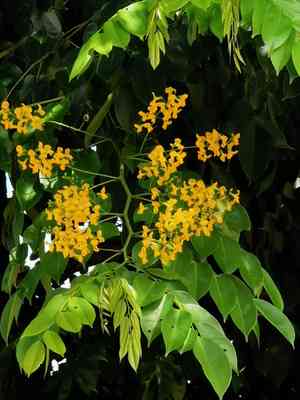
Burmese rosewood (Pterocarpus indicus)
Also known as: Pterocarpus, Philippine mahogany
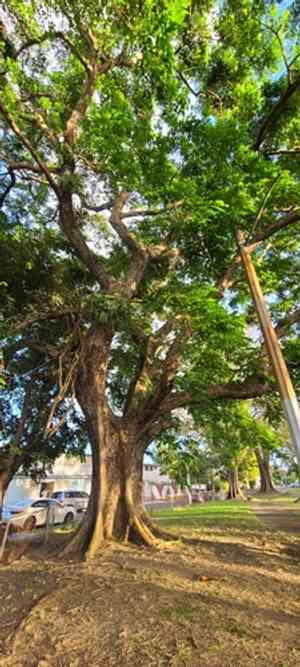
The national flower of Myanmar is the Padauk (Pterocarpus indicus). This tropical deciduous tree, native to Asia, typically reaches heights of 24 to 30 meters. It thrives in environments free from drought and frost. Valued for its attractive wood, the Padauk also serves as a beneficial shade tree that enhances soil quality by addressing nutrient deficiencies.
In This Article
Attributes of Burmese rosewood
Lifespan
Perennial
Plant Type
Tree
Plant Height
30 m
Spread
4 m
Leaf Color
Dark green
Flower Size
6 cm to 13 cm
Flower Color
Yellow
Images of Burmese rosewood
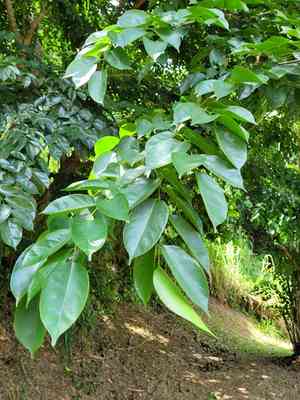
Quickly Identify Burmese rosewood
1
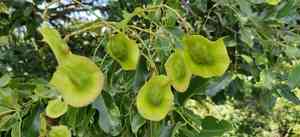
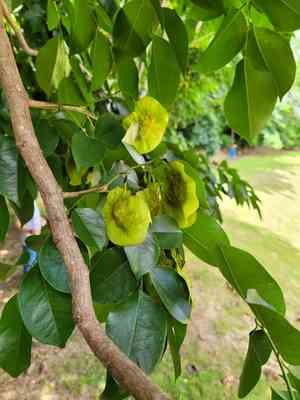
Pterocarpus indicus can be identified by its pinnate leaves which are alternate with 5 to 11 leaflets, bright yellow flowers that are fragrant and arranged in panicles, and winged seeds. The bark is grayish-brown and fibrous.
Scientific Classification of Burmese rosewood
Phylum
Vascular plants
Class
Dicotyledons
Order
Fabales
Family
Legume
Genus
Padauk
Species
Burmese rosewood
Planting and Growing of Burmese rosewood
Care Difficulty
Easy
Watering Schedule
Every 2 days
Sunlight Requirements
Full sun
Sunshine Duration
6-10 hours
Ideal Temperature
68-86℉
Soil Type
Potting Mix, Peat Mix
Soil pH
6.5-7.5
Fertilizer Type
Balanced
Pruning Season
Spring, Summer
Pruning Area
Branches, Leaves
Pruning Frequency
2 times a year
Repotting Season
Spring
Pot Type
Plastic, Ceramic
 How to Water Burmese rosewood?
Pterocarpus indicus prefers a moderate watering schedule. Ensure that the soil is evenly moist but not waterlogged. The rule of thumb is to water until the top inch of soil feels consistently damp. The amount may vary slightly depending on climate and season, but around 500 ml should generally suffice.
What are the symptoms of an underwatered Burmese rosewood?
›
What should I do if my Burmese rosewood is not getting enough water?
›
What are the symptoms of an overwatered Burmese rosewood?
›
How to save an overwatered Burmese rosewood?
›
 What Are the Sunlight Requirements for Burmese rosewood?
The plant benefits most from full to partial sun exposure. Ideal light ensures vigorous growth and vibrant coloration.
More About Sunlight Requirements Techniques→
What are the ideal light conditions?
›
How to achieve these ideal lighting conditions?
›
What are the benefits of ideal lighting?
›
 What Is the Ideal Temperature Range for Burmese rosewood?
The ideal temperature range for Pterocarpus indicus is crucial for optimal growth and development. Maintaining a consistent temperature between 68°F and 86°F ensures that the plant's physiological processes, such as photosynthesis and nutrient uptake, are not compromised. Fluctuations outside this range may slow down growth or initiate stress responses.
 What Soil is Best for Burmese rosewood?
Pterocarpus indicus thrives best in soil that is rich in organic matter and nutrients. This type of soil encourages healthy growth and vibrant foliage, ensuring the plant reaches its full potential. The plant requires soil that offers excellent drainage to prevent root rot. It facilitates oxygenation of the roots and wards off diseases caused by waterlogging. While Pterocarpus indicus enjoys well-draining soil, it also appreciates soil that can retain some moisture. Balancing these needs helps maintain consistent hydration for the plant.
 How to Fertilize Burmese rosewood?
For Pterocarpus indicus, moderate amounts of fertilizer are ideal. Use about 100 grams of granular fertilizer per tree every four months. If using a liquid fertilizer, mix 10 milliliters per liter of water and apply evenly around the root zone.
 How to Prune Burmese rosewood?
Begin by cleaning your pruning tools to prevent disease transmission. Identify dead, damaged, or diseased limbs and remove them first, cutting back to healthy wood or the main stem. Trim any branches that cross or rub against each other, as these can cause damage over time. Shape the tree to maintain an open canopy for better air circulation and sunlight penetration, cutting back to a growth node to encourage further growth.
More About Pruning Techniques→
 How to Propagate Burmese rosewood plant?
1
Select healthy cuttings from mature plants. The cuttings should be about 8-10 inches long and free of any disease symptoms, such as spots or lesions on the leaves.
2
Prepare a well-draining potting mixture. A mix of peat and perlite is often recommended for promoting drainage and aeration, essential for rooting cuttings.
3
Dip the cutting ends into rooting hormone and plant them in the prepared potting medium. Water the cuttings lightly and cover them with a plastic bag to maintain humidity.
 How to Repot Burmese rosewood plant?
1
Pterocarpus indicus signals it's time for repotting when roots start emerging from the drainage holes, and the soil appears hard and compacted. Another indication is the slowed growth or yellowing leaves, which show it's time for a change.
2
Select a pot that is around 2-3 inches larger than the current one. A pot size increase of this extent allows room for root expansion, fostering healthier growth. Ensure the pot has sufficient drainage holes to prevent waterlogging.
3
Use a loamy, well-draining soil mix that retains enough moisture yet drains efficiently. This kind of soil supports proper root aeration and prevents root rot, crucial for the plant's robust growth.
Learn More About Burmese rosewood Diseases
Anthracnose
Bacterial Leaf Spot
Bacterial Soft Rot
Crown Gall
Damping-off
Drought Stress
Fusarium Wilt
Gray Mold
Leaf Spot
Mosaic
Nutrient Deficiency
Nutrient Toxicity
Powdery Mildew
Root Rot
Root-knot Nematode
Rusts
Sooty Mold
Spider Mites
Temperature Stress
Thrips Damage
White Mold
Chemical Injury



