How to Transplant Chinese ladder brake fern?
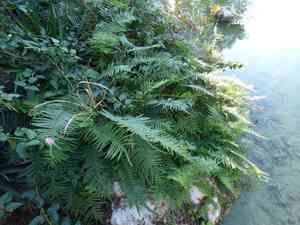
Relocating the chinese ladder brake fern during the period of rejuvenation and development provides ideal circumstances for its successful integration. Select a dimly lit spot featuring damp, adequately draining earth. Careful manipulation of the fronds throughout the procedure guarantees effective re-establishment.
What Preparations are Needed Before Transplanting Chinese Ladder Brake Fern?
What is the Ideal Time for Transplanting Chinese Ladder Brake Fern?
The prime period for relocating chinese ladder brake fern is the spring season, ideally promoting vigorous development. Moving chinese ladder brake fern at this time aligns with its natural growth cycle, offering longer days and moderate temperatures that create an optimal setting for root establishment and recovery. This ensures a smooth transition, boosting survival rates and guaranteeing strong growth. Friendly reminder: a good start in spring leads to thriving plants all year round!
How Much Space Should You Leave Between Chinese Ladder Brake Fern Plants?
For our lovely chinese ladder brake fern, the optimal spacing is approximately 1-2 feet (30-60 cm) apart when transplanting. This will provide ample room for the fern to expand and mature, while also ensuring its overall health and growth is not hindered by overcrowding.
What is the Best Soil Mix for Chinese Ladder Brake Fern Transplanting?
Ensure a strong beginning for your chinese ladder brake fern by preparing your garden bed with well-drained soil. Incorporating a foundational fertilizer rich in organic matter, such as aged compost or manure, would be highly beneficial to bolster your plant's development.
Where Should You Relocate Your Chinese Ladder Brake Fern?
Regarding placement, your chinese ladder brake fern would flourish best in partial to full shade. Direct sunlight could be too intense for it. So, consider a location that receives 3 to 6 hours of morning or evening sun daily. This will help keep your new friend content outdoors!
What Equipments Should You Prepare Before Transplantation Chinese Ladder Brake Fern?
Gardening Gloves
Protective gloves serve as a barrier for your hands during the transplanting process of chinese ladder brake fern, guarding against soil, sharp tools, and potentially harmful plants or insects.
Shovel or Spade
A versatile tool for digging and moving earth, crucial for extracting the chinese ladder brake fern from its original spot and preparing the new location.
Trowel
Useful for excavating small holes when removing the plant from pots or seedling trays, as well as placing chinese ladder brake fern in its new position.
Watering Can
Necessary for thoroughly hydrating the chinese ladder brake fern before and after transplantation.
Mulch
It's an excellent soil covering that helps maintain moisture around transplanted chinese ladder brake fern.
Pruning Shears
These might be required to trim away any damaged or diseased sections of chinese ladder brake fern during the transplant process.
How Do You Remove Chinese Ladder Brake Fern from the Soil?
How Do You Remove Chinese Ladder Brake Fern from the Soil?
From Ground: Start by saturating the soil around the chinese ladder brake fern plant to facilitate digging and reduce root stress. Once the soil is moist, carefully dig a circle around the plant with your spade or shovel. Dig deep enough to avoid disturbing the root ball. Gradually work the spade beneath the root ball and gently lift the chinese ladder brake fern plant from the ground.From Pot: If the chinese ladder brake fern is in a pot, first water the plant thoroughly. Then, turn the pot sideways, hold the plant gently by its base, and tap the edge of the pot against any firm surface, nudging the plant and its root ball loose. If the plant resists, run a knife around the inside of the pot to loosen the soil and try again.From Seedling Tray: Water the tray well before transplanting. Use a small trowel or your hands to carefully scoop up each chinese ladder brake fern plant, ensuring you get as much of the roots and surrounding soil to avoid causing root shock.
Step-by-Step Guide for Transplanting Chinese Ladder Brake Fern
Determine the Right Time
The optimal time to transplant chinese ladder brake fern is in early spring or fall when the weather is cool but the soil is warm.
Dig a Hole
In the new site, excavate a hole that is twice as wide and just as deep as the plant's root ball.
Prepare the Plant
Gently extract chinese ladder brake fern from its original position following the instructions above. Examine the roots and use your pruning shears to snip away any damaged or broken sections.
Planting
Position chinese ladder brake fern in the center of the hole. Ensure the base of the plant is level with the ground. Backfill the hole with soil, firming it around the plant with your hands.
Water and Mulch
Water the chinese ladder brake fern thoroughly immediately after transplanting. Apply a layer of mulch around the plant, leaving some space near the stem to prevent rot.
How Do You Care For Chinese Ladder Brake Fern After Transplanting?
Mulching
Regularly check to ensure the mulch around your chinese ladder brake fern maintains its layer as it aids in retaining moisture and stabilizing temperatures.
Watering
It's vital to keep the soil moist after transplanting, but be careful not to overwater. If the leaves of chinese ladder brake fern begin to wilt or yellow, you might be overwatering.
Pruning
Remove any yellow or wilting leaves to encourage new, healthy growth.
Pests and Disease Watch
Keep an eye out for pest issues or diseases which chinese ladder brake fern might be more vulnerable to due to stress from the transplantation. Regularly inspect the underside of the leaves for any signs of pests.
Patience
Remember, chinese ladder brake fern may require some time to adapt to its new environment. So don't worry if growth seems slow initially. The plant is likely concentrating its energy on expanding its roots.
Troubleshooting Common Issues with Chinese Ladder Brake Fern Transplantation.
When is the best season to transplant chinese ladder brake fern?
Transplanting chinese ladder brake fern is most ideal between early and mid-year. This allows the plant ample time to establish its roots before cooler weather arrives.
What is the appropriate spacing for chinese ladder brake fern?
For optimal growth, ensure you space chinese ladder brake fern approximately 1-2 feet (30-60 cm) apart. This guarantees they have sufficient room to expand their foliage without crowding each other.
What kind of soil is best for transplanting chinese ladder brake fern?
Chinese ladder brake fern prefers well-draining soil with a slightly acidic to neutral pH. Amending your soil with organic matter can help improve its fertility and moisture retention.
What should I do if the transplanted chinese ladder brake fern shows signs of wilting?
Wilting after transplanting is common. Keep the soil consistently moist but never waterlogged. Over time, the plant should recover and begin growing normally.
How much sunlight does chinese ladder brake fern need after transplantation?
Chinese ladder brake fern requires bright, indirect sunlight after transplantation. Too much direct sunlight can cause leaf burn, while insufficient light can lead to weak growth.
How much water does chinese ladder brake fern require after it's been transplanted?
Chinese ladder brake fern prefers consistently moist soil. However, avoid overwatering as it can lead to root rot. Water just enough that the soil doesnât completely dry out.
What should I do if my transplanted chinese ladder brake fern's leaves turn yellow?
Yellow leaves can be due to overwatering or nutrient deficiency. Adjust your watering routine and consider a balanced slow-release fertilizer to help rectify this.
Why isn't my transplanted chinese ladder brake fern growing?
Ensure you're meeting chinese ladder brake fern's needs: correct soil, watering, light, and spacing. Also, consider your patience, it might need more time to establish after transplantation.
How can I protect my transplanted chinese ladder brake fern from pest attacks?
Inspect regularly for signs of pests. If you spot them, gently wash the plant with mild soapy water or use an organic pesticide.
Why are the fronds of my transplanted chinese ladder brake fern shriveling?
Shriveling fronds may indicate a dry environment. Increase watering frequency, ensuring the soil remains moist. Humidity can be increased by misting the plant or using a humidity tray.



