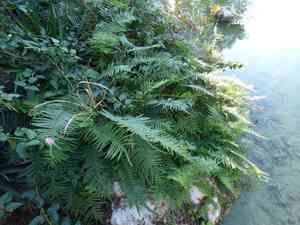
Chinese ladder brake fern (Pteris vittata)
Also known as: Ladder fern, Chinese bracken
The Chinese ladder brake fern (Pteris vittata), originally from China, has spread globally and appears on various noxious weed lists. Despite its invasive nature, it offers significant environmental benefits by acting as a natural sponge for soil toxins. The fern excels at absorbing arsenic from polluted soils, storing the toxin in its fronds, which effectively aids in soil remediation and helps restore contaminated areas.
Attributes of Chinese ladder brake fern
Images of Chinese ladder brake fern
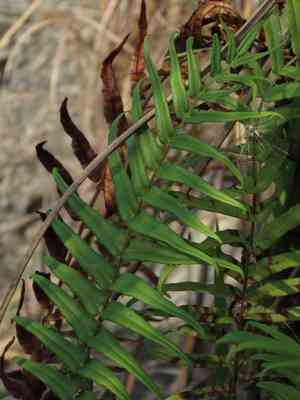
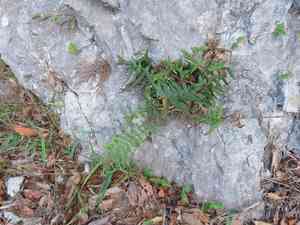

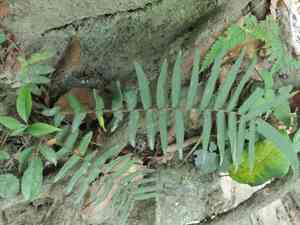
Quickly Identify Chinese ladder brake fern
Scientific Classification of Chinese ladder brake fern
Planting and Growing of Chinese ladder brake fern
 How to Water Chinese ladder brake fern?
 What Are the Sunlight Requirements for Chinese ladder brake fern?
 What Is the Ideal Temperature Range for Chinese ladder brake fern?
 What Soil is Best for Chinese ladder brake fern?
 How to Fertilize Chinese ladder brake fern?
 How to Prune Chinese ladder brake fern?
 How to Propagate Chinese ladder brake fern plant?
 How to Repot Chinese ladder brake fern plant?
Toxicity of Chinese ladder brake fern
Is Chinese ladder brake fern toxic to humans?
The Chinese ladder brake fern presents a moderate toxic risk to humans mainly via ingestion. The entire plant harbors toxic compounds, with arsenic being of particular concern. Ingesting Chinese ladder brake fern can result in arsenic poisoning, which manifests through a variety of symptoms such as abdominal pain, vomiting, diarrhea, and in extreme instances, muscle cramps, heart irregularities, and potentially death. Since all components of the Chinese ladder brake fern are toxic, it is essential for individuals to take precautions to avoid accidental ingestion, particularly in areas where this fern is found.
Is Chinese ladder brake fern toxic to cat?
The Chinese ladder brake fern exhibits moderate toxicity to cats, and accidental consumption may result in poisoning. The entire plant harbors toxic compounds, particularly arsenic, which presents a serious health hazard to felines. Ingesting any portion of the Chinese ladder brake fern can trigger noticeable physical distress and illness in cats. In such distressing situations, it is crucial to seek veterinary assistance without delay for timely treatment and symptom management.
Is Chinese ladder brake fern toxic to dog?
The Chinese ladder brake fern is recognized as having a moderate toxicity level for dogs. If they ingest any part of this plant, canines may experience poisoning, as the entire plant is toxic. Even small amounts can trigger various symptoms due to arsenic content. Dog owners should be on the lookout for indications of poisoning, which can manifest as vomiting, diarrhea, abdominal discomfort, lethargy, and irregular heart rate, among other signs. Should you suspect that your dog has consumed Chinese ladder brake fern, it is crucial to seek prompt veterinary assistance to secure the best outcome for your pet.



