How to Transplant Guava?
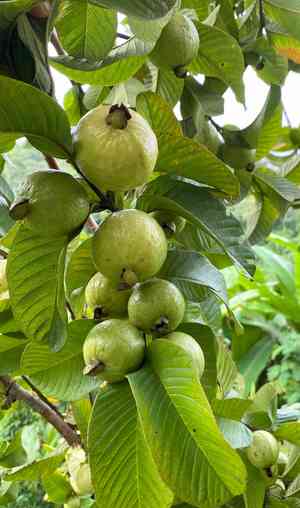
The ideal period for relocating guava plants is from early to mid-spring, as this season offers prime conditions for robust development and successful integration. Select a brightly lit spot with soil that drains effectively, and carefully loosen the root mass during the transfer process. Ensure consistent watering to foster the growth of a strong root structure. Enjoy your gardening endeavors!
Essential Preparations Before Relocating Guava?
Optimal Period for Guava Relocation?
The most suitable time to move guava is from the start of spring through its middle. This timeframe provides ideal weather conditions that guava thrive in. Transplanting guava during early to mid-spring offers the added advantage of an extended growing season, giving your plant a better chance to establish roots and flourish. This period not only allows the plant crucial time to adjust but also promotes a strong environment for blooming. Rest assured, moving guava at this time will result in a robust, healthy plant.
Required Spacing Between Guava Plants?
To allow your guava ample room to develop, plant them with a separation of 3 m (9.8 ft) between each specimen. This ensures sufficient space for growth and the development of a strong root system.
Ideal Soil Blend for Guava Transplanting?
For guava, well-draining, loamy soil is optimal. Incorporating organic material, such as compost, can establish a good nutrient base. Additionally, a small amount of slow-release granular fertilizer at the planting site will also support vigorous growth.
Where to Position Your Guava?
Select a site where your guava will receive at least 6 hours of direct sunlight daily. This sun exposure will maximize growth and fruit production. Ensure the area also has good air circulation to maintain plant health.
Equipment Needed Before Transplanting Guava?
Gardening Gloves
To safeguard your hands while handling soil and plants.
Shovel or Spade
For digging holes and extracting the plant from its original spot.
Trowel
To fine-tune the planting hole and assist in positioning the plant.
Watering Can or Hose
To hydrate the guava plant both before and after its relocation.
Pruning Shears
To trim any damaged roots or branches prior to transplanting.
Organic Compost
To enrich the planting hole and supply nutrients to the plant.
Mulch
To aid in moisture retention and inhibit weed growth around the plant.
Method for Extracting Guava from Soil?
Method for Extracting Guava from Soil?
From Ground: First, moisten the guava plant's soil. Then, using a shovel or spade, dig a wide trench around the plant, ensuring the root ball remains intact. Carefully work the spade beneath the root ball to lift the plant from its initial location. From Pot: Water the guava plant to dampen the soil, facilitating easier removal. Gently invert the pot and tap its edges to release the plant and soil mass. If the plant doesn't come out easily, use a trowel to carefully separate the roots from the pot's interior. From Seedling Tray: If the guava plant is in a seedling tray, ensure the soil is moist before attempting removal. Gently squeeze individual cells to loosen the soil and roots, then carefully lift the plant out by holding its leaves or stem.
Step-by-Step Guide for Guava Transplanting
Location Selection
Choose a spot with adequate sunlight and room for your guava plant to reach its mature size.
Preparing the Planting Hole
Excavate a hole twice as wide and deep as the plant's root ball. Add a layer of organic compost at the bottom to provide nutrients.
Plant Placement
Position the guava plant in the hole, ensuring it stands upright and the top of the root ball is level with the soil surface. Backfill the hole with the removed soil, gently firming it around the root ball.
Watering
Thoroughly water the guava plant to help settle the soil and eliminate air pockets around the roots.
Mulching
Spread a layer of mulch around the base of the guava plant, keeping it clear of the main stem. This helps retain soil moisture and suppress weeds.
Support
If the guava plant is tall or delicate, use a stake or other support to keep it upright and stable during its initial growth phase.
Post-Transplant Care for Guava
Watering
Maintain consistent moisture in the soil around the guava, avoiding sogginess, for the first few weeks after transplanting to encourage strong root establishment.
Pruning
Remove any damaged or diseased branches, and adhere to a regular pruning schedule to promote the plant's health and productivity.
Fertilizing
Apply a balanced, slow-release fertilizer around the guava plant's base according to product instructions. Check for specific guava fertilizer needs and adjust as necessary.
Pest Control
Monitor the guava plant for pests or diseases and treat them with appropriate organic or chemical solutions.
Growth Monitoring
Regularly inspect your guava plant to ensure it is adapting well to its new location and address any issues promptly.
Resolving Common Guava Transplantation Issues.
When is the optimal time to transplant guava?
The ideal season to move guava is from the onset of early spring as it transitions into mid-spring.
What is the recommended spacing for guava after transplantation?
Aim for approximately 10 feet (or 3 meters) apart. This will provide guava with the necessary space to grow and thrive!
What if my guava shows no new growth after transplanting?
Patience is crucial! Guava might be experiencing transplant shock. Ensure it receives adequate moisture, sunlight, and nutrients. Improvement should be visible within a few weeks!
What should be the depth of the hole for transplanting guava?
The hole should be precisely as deep as the root ball and twice as wide. This aids in the easy adaptation of guava to its new home.
My transplanted guava appears wilted. What action should I take?
It might be suffering from transplant shock. Consistent watering without waterlogging the roots and providing shade can help your guava recover more quickly.
How do I ensure that guava integrates well with the soil after transplantation?
Water generously initially, allowing the soil to settle around the roots. Then, gradually reduce watering to encourage guava to establish new roots.
What soil type is most suitable for transplanting guava?
Guava is adaptable but prefers well-draining, fertile soil. Incorporate organic compost into your chosen spot to make it especially welcoming!
Should I prune guava during transplanting?
Light pruning of damaged or excessively long roots can be beneficial, but avoid heavy pruning as it may cause stress to the guava.
How do I protect my transplanted guava from extreme weather?
A sunny spot with some wind protection is ideal. During very cold or hot weather, consider shading your guava or adding mulch to regulate soil temperature.
What care should I provide to the guava after transplanting?
Regular watering, protection from extreme weather, and periodic fertilization will ensure your guava remains healthy and flourishes in its new environment!



