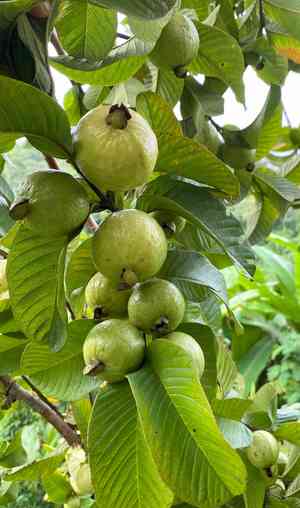
Guava (Psidium guajava)
Also known as: Tropical guava, Yellow guava
The Surinam cherry (*Eugenia uniflora*) is an evergreen shrub native to the Caribbean and South America. This plant attracts honey bees and other pollinators, produces edible fruit, and its wood is also commonly used for smoking meat.
In This Article
Attributes of Guava
Lifespan
Perennial
Plant Type
Shrub, Tree
Plant Height
8 m to 13 m
Spread
6 m to 13 m
Leaf Color
Green
Flower Size
1 cm to 2 cm
Flower Color
White Yellow
Images of Guava
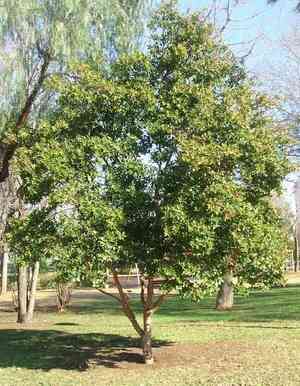
Quickly Identify Guava
1
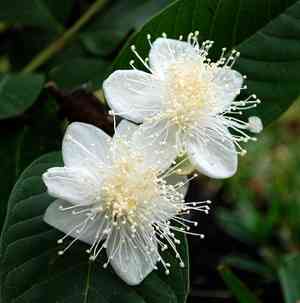
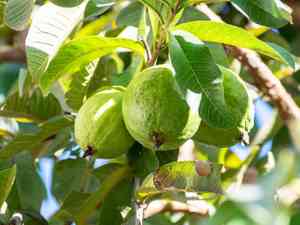
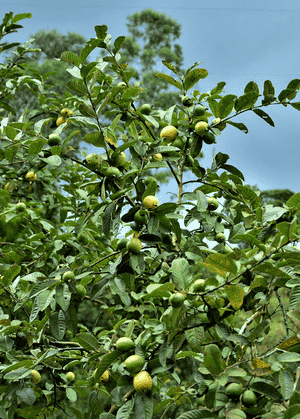
Guava trees can be identified by their flaky, thin bark, evergreen leaves with prominent veins, and round or oval fruit that turns yellow when ripe. The leaves are aromatic when crushed, and the flowers are white with numerous stamens.
Scientific Classification of Guava
Phylum
Vascular plants
Class
Dicotyledons
Order
Myrtle order
Family
Myrtle
Genus
Guavas
Species
Guava
Planting and Growing of Guava
Care Difficulty
Easy
Watering Schedule
Every 8 days
Sunlight Requirements
Full sun
Sunshine Duration
6-10 hours
Ideal Temperature
68-86℉
Soil Type
Potting Mix, Peat Mix
Soil pH
4.5-7
Fertilizer Type
Balanced
Pruning Season
Spring, Summer
Pruning Area
Branches, Leaves
Pruning Frequency
2 times a year
Repotting Season
Spring
Pot Type
Plastic, Ceramic
 How to Water Guava?
For Psidium guajava, it is essential to water deeply to ensure the soil is evenly moist but not soggy. The plant thrives when the water reaches a depth of about 15-20 cm, as this encourages deeper root growth and better drought resistance.
More About Watering Techniques→
What are the symptoms of an underwatered Guava?
›
What should I do if my Guava is not getting enough water?
›
What are the symptoms of an overwatered Guava?
›
How to save an overwatered Guava?
›
 What Are the Sunlight Requirements for Guava?
Guava trees prefer full sun, ideally 6 to 8 hours daily. Adequate sunlight improves vigor, increases blooming rates, and promotes high fruit yield, essential for this fruit-bearing plant.
More About Sunlight Requirements Techniques→
Optimal Sunlight Exposure
›
Managing Partial Sunlight
›
Checking Light Levels
›
 What Is the Ideal Temperature Range for Guava?
The ideal temperature range for growing Psidium guajava is between 68°F and 86°F. This range ensures optimal photosynthesis and development, promoting vigorous growth and abundant fruit production. Temperatures within this range help maintain the plant's metabolic processes at an efficient rate, supporting healthy leaf, flower, and fruit development. Guava plants thrive in warm climates typical of tropical and subtropical regions.
 What Soil is Best for Guava?
Guavas thrive in nutrient-rich soils that provide ample nourishment for their growth. This ensures healthy foliage and robust fruit production, vital for flavorful guavas. Good drainage is crucial to prevent waterlogging, which can lead to root rot. Well-drained soil promotes root health and helps the plant withstand heavy rains. Soils that retain adequate moisture support the plant during dry spells. This is important as guavas require consistent moisture for optimal growth and fruiting.
More About Soil→
 How to Fertilize Guava?
Guava trees thrive with an adequate supply of nutrients. For each application, use approximately 4-6 ounces of a balanced 10-10-10 NPK fertilizer per young tree, gradually increasing to 1 pound for mature trees. This helps ensure they get the essential macronutrients needed for healthy growth and fruit production.
More About Fertilizing Techniques→
 How to Prune Guava?
Start by removing any dead, diseased, or crossed branches to ensure better air circulation and sunlight penetration inside the canopy. Focus on shaping the tree by maintaining a single central leader and evenly spaced branches. Make thinning cuts to remove branches growing too closely together or directly downwards. This promotes the development of strong, outwardly-facing branches for a balanced canopy that can support a good fruit load. Use heading back cuts to shorten branches and stimulate lateral growth. This encourages a denser canopy which can lead to increased fruit production by creating more fruit-bearing spurs on the tree.
More About Pruning Techniques→
 How to Propagate Guava plant?
1
Choose disease-free and robust parent plants for cuttings to ensure healthier offspring. This also improves the success rate of propagation.
2
Cut a 4-6 inch long stem from new growth using sanitized pruning shears. Remove the lower leaves to expose the nodes where roots will emerge.
3
Dip the cut end into rooting hormone and plant it in a well-draining potting mix. Water thoroughly and cover with a plastic bag to maintain humidity.
 How to Repot Guava plant?
1
Look for tell-tale signs that your Psidium guajava needs repotting, such as roots growing through the drainage holes, water not soaking in, or stunted growth. Spring is ideal as the plant is actively growing, allowing it to establish itself quickly.
2
Select a pot that is 2 inches larger in diameter than the current one. Ensure it has adequate drainage holes to prevent waterlogging, which can lead to root rot. A slightly larger pot provides the roots with more space to grow and thrive.
3
Opt for a well-draining potting mix with organic matter to provide essential nutrients. A mix of garden soil, coarse sand, and compost works well, helping to retain moisture without becoming soggy, keeping roots healthy.
Learn More About Guava Diseases
Anthracnose
Bacterial Leaf Spot
Bacterial Soft Rot
Bacterial Wilt
Chemical Injury
Damping-off
Drought Stress
Fusarium Wilt
Gray Mold
Leaf Curl
Leaf Spot
Mosaic
Nutrient Deficiency
Nutrient Toxicity
Powdery Mildew
Root Rot
Root-knot Nematode
Rusts
Sooty Mold
Spider Mites
Temperature Stress
Thrips Damage
White Mold



