How to Transplant False starwort?
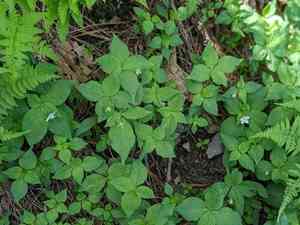
False starwort 1 flourishes when relocated from late spring through early summer, as this timeframe supports robust root development. Choose a location offering partial shade, verify the soil drains effectively, and maintain consistent moisture around the roots post-transplant to facilitate a smooth acclimation.
Necessary Preparations Before Relocating False Starwort?
When is the Best Period for Moving False Starwort?
The prime time for relocating false starwort, from late spring to the start of summer, offers perfect growing conditions. This interval provides ample soil warmth and moisture, promoting strong root development, which is crucial for a successful move. This timing helps false starwort cope with the stress of relocation, ensuring better adaptation and growth. Selecting this period guarantees robust health and vibrant beauty in your garden.
What is the Recommended Spacing Between False Starwort Plants?
When getting ready to move your false starwort, aim for a distance of about 8-12 inches (20-30 cm) between each plant. This provides each false starwort with sufficient room to thrive without becoming overcrowded, which can hinder growth and overall health.
What is the Optimal Soil Mixture for False Starwort Relocation?
Your false starwort will flourish in soil that drains well and is rich in organic material. Before moving, mix some compost into the soil and add a balanced, slow-release fertilizer to give your false starwort a strong start. A pH level between 5.5 and 7.5 is generally suitable for false starwort.
Where Should You Replant Your False Starwort?
Choose a location for your false starwort that receives partial sun to light shade. Ideally, this spot should get morning sunlight and afternoon shade, shielding your false starwort from intense midday sun, especially in warmer climates.
What Tools Are Needed Before Transplanting False Starwort?
Gardening Gloves
To safeguard your hands while handling soil and plants.
Shovel or Spade
For excavating the plant and the new planting hole.
Trowel
Used for precise tasks and smaller digging jobs.
Watering Can
For hydrating the plant before and after its relocation.
Pruning Shears
To trim any damaged roots or foliage.
Wheelbarrow or Garden Cart
To transport the plant and soil if necessary.
Garden Knife
For dividing roots if propagating during the move.
Rooting Hormone (optional)
To stimulate root growth after transplanting.
How to Extract False Starwort from the Ground?
How to Extract False Starwort from the Ground?
From Ground: First, moisten the false starwort plant to dampen the soil. Next, use a shovel or spade to dig a wide trench around the plant, ensuring the root ball remains intact. Carefully work the spade beneath the root ball to gently lift the plant from its original spot.From Pot: Start by watering the false starwort, then turn the pot sideways and gently tap it to loosen the soil. Carefully slide the plant out, supporting the root ball with your hands to prevent it from breaking apart.From Seedling Tray: Water the seedlings to ease their removal. Use a trowel or your fingers to gently lift the seedling by its leaves, being careful not to harm its delicate stem and roots.
Step-by-Step Guide for Relocating False Starwort
Prepare the New Site
Clear the area of weeds and debris where you plan to move the false starwort to ensure minimal competition.
Dig the Hole
Use a shovel or trowel to create a hole that is twice as wide and as deep as the false starwort's root ball.
Prepare the Plant
Gently untangle the roots of the false starwort if they are pot-bound. Trim any broken or excessively long roots.
Position the Plant
Place the false starwort in the center of the hole at the same depth it was previously growing. The top of the root ball should be level with the surrounding soil surface.
Backfill the Hole
Carefully refill the hole with soil, lightly tamping it down as you go to remove air pockets.
Water Thoroughly
After relocating, water the false starwort generously to settle the soil around the roots and help reduce transplant shock.
Staking (If Necessary)
If the false starwort is tall or in a windy area, stake the plant to support it until its roots are strong enough to anchor it.
Mulch
Apply a layer of mulch around the base of the false starwort to retain soil moisture and regulate soil temperature.
How to Care for False Starwort After Relocation?
Watering
Ensure the soil around the false starwort stays consistently moist for the initial weeks after moving. Gradually decrease watering as the plant becomes established.
Staking
Regularly check any stakes, and adjust ties to prevent them from cutting into the plant as it grows.
Mulching
Maintain the mulch layer to conserve moisture and suppress weeds, but keep it away from the false starwort's stems to prevent rot.
Observation
Keep a close watch on the false starwort for signs of transplant shock, such as wilting or yellowing leaves, and intervene by providing shade or extra water if needed.
Addressing Common Issues with False Starwort Relocation.
What's the best time to move false starwort for optimal growth?
Relocate false starwort during mid-spring to early summer for ideal root establishment conditions.
How far apart should I space false starwort when moving?
Allow false starwort ample room to thrive by spacing them 8-12 inches (20-30 cm) apart.
How deep should I plant false starwort's roots when relocating?
Plant false starwort so the root ball sits just below soil level, avoiding excessive depth to prevent rot.
Can I move false starwort on a hot, sunny day?
It's best to move false starwort on a cloudy day or in the evening to minimize transplant shock.
What should I do if false starwort wilts after relocating?
Keep the soil moist and provide shade to help false starwort recover from the stress of moving.
How can I tell if false starwort is getting too much water after relocating?
Yellowing leaves or a mushy base indicates overwatering. Allow soil to dry between waterings.
Why is false starwort not thriving post-relocation in well-fertilized soil?
Excess fertilizer can damage the roots. Use a balanced, slow-release type and avoid over-fertilizing.
Should I prune false starwort before relocating?
Trimming back excessive growth can reduce stress and direct energy towards root development.
How do I protect false starwort from pests after relocating?
Monitor for pests frequently. Use organic pesticides if necessary to keep false starwort healthy.
Is it necessary to amend the soil when relocating false starwort?
Enriching the soil with compost or well-rotted manure provides false starwort with a nutrient boost.



