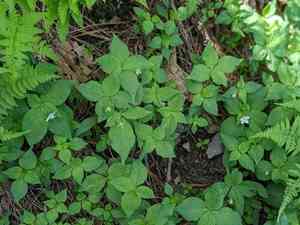
False starwort (Pseudostellaria heterophylla)
Also known as: Tai zi shen
The false starwort, scientifically named Pseudostellaria heterophylla, is a perennial plant featuring tuberous roots. The genus name "Pseudostellaria" indicates its similarity to the Stellaria genus, commonly known as starwort. The species name "heterophylla" is derived from Latin, meaning "diversely-leaved," highlighting the plant's characteristic of having variously shaped leaves.
In This Article
Attributes of False starwort
Lifespan
Perennial
Plant Type
Herb
Plant Height
15 cm to 20 cm
Spread
Not applicable as it is a herbaceous plant without a woody crown
Leaf Color
Green
Flower Size
1-1.5 cm
Flower Color
White
Images of False starwort
Quickly Identify False starwort
1
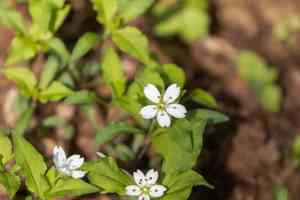
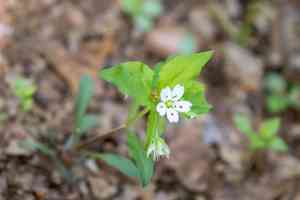
Identify Pseudostellaria heterophylla by its slender stems, small white flowers with five petals, and its characteristic tuberous roots.
Scientific Classification of False starwort
Phylum
Vascular plants
Class
Dicotyledons
Order
Pinks, cacti, and allies
Family
Pink
Genus
Pseudostellaria
Species
False starwort
Planting and Growing of False starwort
Care Difficulty
Easy
Watering Schedule
Every 3 days
Sunlight Requirements
Partial sun
Sunshine Duration
6-10 hours
Ideal Temperature
60-75℉
Soil Type
Potting Mix, Peat Mix
Soil pH
6.5-7.5
Fertilizer Type
Balanced
Pruning Season
Spring, Summer
Pruning Area
Branches, Leaves
Pruning Frequency
2 times a year
Repotting Season
Spring
Pot Type
Plastic, Ceramic
 How to Water False starwort?
The watering amount for Pseudostellaria heterophylla should be around 250 milliliters per session. This amount ensures that the soil is evenly moist but not waterlogged. When watering, make sure the water reaches the deeper roots without leaving standing water, which can cause root rot.
What are the symptoms of an underwatered False starwort?
›
What should I do if my False starwort is not getting enough water?
›
What are the symptoms of an overwatered False starwort?
›
How to save an overwatered False starwort?
›
 What Are the Sunlight Requirements for False starwort?
Partial sun exposure provides a balanced light environment. This fosters optimal growth, robust foliage, and healthy flowering by offering adequate daily photoperiods without excess heat.
Optimal Lighting Duration
›
Recommended Exposure Type
›
Benefits of Ideal Lighting
›
 What Is the Ideal Temperature Range for False starwort?
For optimal growth, Pseudostellaria heterophylla thrives in a temperature range between 60 and 75°F. This range provides the ideal conditions for key physiological processes such as photosynthesis and nutrient uptake. Maintaining temperatures in this range ensures the plant remains healthy, with a robust growth rate and minimal stress.
 What Soil is Best for False starwort?
Pseudostellaria heterophylla thrives in well-drained soil that prevents waterlogging, ensuring the roots receive adequate air supply. This type of soil promotes healthy root development, leading to robust plant growth and increased resistance to pests and diseases. The plant benefits from soil enriched with organic matter, which provides essential nutrients that promote vigorous growth and enhance medicinal properties. Compost or well-rotted manure can be added to achieve the desired nutrient level. While the soil should be well-drained, it should also retain sufficient moisture to support the plant’s needs. A balance in moisture retention ensures the plant remains hydrated but not waterlogged, critical for its growth and tuber development.
 How to Fertilize False starwort?
Pseudostellaria heterophylla requires a delicate balance when it comes to fertilizer amounts. Generally, a diluted liquid fertilizer should be applied at 1/4 strength to prevent root burn and nutrient overload. This encourages the plant's vigorous growth while maintaining the soil's health and nutrient balance.
 How to Prune False starwort?
Prune your Pseudostellaria heterophylla by removing dead or wilted leaves to promote new growth. Use clean, sharp scissors or pruning shears. Start by checking the base of the plant and work your way up, snipping away brown or yellow foliage. This helps maintain the plant's aesthetic appeal and encourages the growth of fresh, healthy leaves.
More About Pruning Techniques→
 How to Propagate False starwort plant?
1
Start by soaking the seeds in warm water for about 24 hours to enhance germination. This process softens the seed coat, making it easier for the seedling to emerge.
2
Carefully dig around the plant to expose the roots. Cut a healthy root segment, ideally 5-10 cm long. Ensure you have a clean cut for better rooting potential.
3
Choose a mature plant and gently lift it from the soil. Divide the root clump into smaller sections, ensuring each has a fair amount of roots attached.
 How to Repot False starwort plant?
1
Look for signs such as roots protruding from the drainage holes or the plant becoming root-bound, meaning the roots fill the pot entirely. Another indicator is slowed growth or if water runs straight through the pot quickly. These are clear signals that it's time for repotting to allow Pseudostellaria heterophylla to continue thriving.
2
Select a pot that is one to two inches larger in diameter than the current pot. This provides sufficient space for growth without overwhelming the plant with too much soil, reducing the risk of overwatering. Ensure the pot has adequate drainage holes to keep the roots healthy by preventing excess moisture build-up.
3
Opt for a soil rich in organic matter that is also well-draining. This mimics the plant's natural habitat, allowing proper nutrient uptake and preventing waterlogging. The right blend maintains moisture balance and supports healthy root development, crucial for optimal growth.



