How to Transplant Blackthorn?
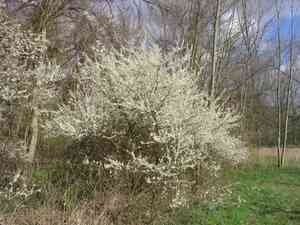
The optimal period for relocating blackthorn is in the spring, specifically from early to mid-spring, to facilitate root development before vigorous growth commences. Choose sunny spots with soil that drains effectively; initial careful attention after moving the plant guarantees robust roots and overall plant well-being.
Essential Preparations Before Relocating Blackthorn?
Optimal Period for Blackthorn Relocation?
The best time to move blackthorn is at the start of spring. This offers mild weather, allowing the plant ample time to establish its root system before the summer heat. Transplanting blackthorn at this point leverages the season's moderate conditions, promoting a strong growth cycle and vibrant health in your garden. This strategic timing ensures your blackthorn develops a firm foundation, maximizing growth for a lush display. Embrace this nurturing season for your blackthorn, and you'll be rewarded with a resilient and flourishing plant.
Required Spacing Between Blackthorn Plants?
When relocating blackthorn, ensure adequate spacing! These plants thrive with a generous 10-15 feet (3-4.5 meters) of distance between them. This provides sufficient room for their branches to spread and for a robust root system to develop. Happy gardening!
Ideal Soil Mixture for Blackthorn Relocation?
Prepare your soil for blackthorn. They favor light, well-draining soil, with a slight preference for limestone. A base fertilizer containing calcium can improve soil quality. Lime can be used, but sparingly, to avoid excessive alkalinity in the ground.
Where to Position Your Blackthorn?
Seeking the perfect spot for blackthorn? They adore full sunlight, but can endure partial shade. A sunny location is perfect, but if there's some afternoon shade, blackthorn won't mind at all. Here's to successful relocation!
Tools to Prepare Before Transplanting Blackthorn?
Gardening Gloves
To safeguard your hands from the sharp thorns of blackthorn while handling soil and the plant.
Shovel or Spade
These will be utilized to excavate the hole for the blackthorn plant and to extract it from its original spot.
Hand Trowel
A smaller implement useful for precise digging, particularly in dense or clayey soils.
Pruning Shears
For trimming the roots and branches of blackthorn. This maintains plant health and assists in transportation.
Wheelbarrow
To move the blackthorn plant to its new location.
Watering Can/Hose
To hydrate the plant after it has been relocated.
Compost or Organic Matter
This will supply the blackthorn plant with additional nutrients to aid its growth in the new site.
Mulch
To help maintain soil moisture levels after relocation.
How to Extract Blackthorn from the Ground?
How to Extract Blackthorn from the Ground?
From Ground: Begin by carefully trimming back some of the blackthorn's thorny branches. Next, water the blackthorn plant to moisten the soil. Use a shovel or spade to dig a wide trench around the plant, ensuring the plant's root ball remains intact. Gently work the spade beneath the root ball to lift the plant from its initial position. Be sure to maintain enough distance from the main stem to prevent root damage.From Pot: If the blackthorn is in a container, water the plant thoroughly and allow it to drain for a few minutes. Turn the pot sideways, and while supporting the plant's main stem, gently tap the pot's edges to loosen the root ball. Finally, carefully ease the plant out of the pot.From Seedling Tray: Gently loosen the soil surrounding the blackthorn seedlings. Carefully lift the blackthorn by its leaves (not the stem) to remove it from the cell, keeping the root ball intact.
Detailed Guide for Transplanting Blackthorn
Prepare the Planting Site
Start by digging a hole twice as wide and slightly deeper than the blackthorn's root ball. Incorporate some compost or organic material into the excavated soil.
Plant Positioning
Place the blackthorn in the center of the hole. Ensure the top of the root ball is level with or slightly below the ground's surface.
Refill the Hole
Backfill the hole with the amended soil. Gently firm the soil around the roots, but avoid heavy compaction.
Hydration
Thoroughly water the blackthorn to settle the soil and eliminate any air pockets.
Mulching
After watering, spread a layer of mulch around the blackthorn's base (keeping it away from the stem) to retain moisture and suppress weeds.
Post-Transplant Care for Blackthorn
Pruning
Trim back the blackthorn in early spring to encourage denser growth. This also helps manage the plant's size.
Watering
Water the newly transplanted blackthorn thoroughly, and then continue regular watering. In the initial weeks, blackthorn will require ample water to develop its root system.
Pest Management
Monitor for pests and diseases. If you observe yellowing leaves or spots, you may need to treat the blackthorn with an appropriate remedy.
Protection
Although blackthorn is a resilient plant, young, recently transplanted bushes might need some safeguarding from harsh weather conditions.
Resolving Common Issues with Blackthorn Transplantation.
When is the optimal time to transplant blackthorn?
The best period is during seasons S1 and S2. This ensures the plant has sufficient time to establish roots before more extreme weather conditions.
What should be the ideal spacing between blackthorn plants?
The optimal spacing between blackthorn plants should be approximately 10-15 feet (3-4.5 meters). This provides each plant ample room to grow and flourish.
What if the transplanted blackthorn appears wilted after transplanting?
Don't be overly concerned! It's common for blackthorn to show some wilting after relocation. Maintain a consistent watering schedule, and it should recover within a few days.
What should be the depth of the hole when transplanting blackthorn?
The hole's depth should be twice the size of the root ball. This allows roots enough space to spread out and establish in the new location.
How to ensure that roots of blackthorn donât dry out during transplantation?
Water the plant thoroughly before starting the transplant process and cover the roots with a damp cloth during the move. This keeps them moist and healthy.
What if leaves of blackthorn are turning yellow after transplantation?
Yellow leaves can indicate water stress. Ensure your blackthorn receives enough water, but also confirm the site is well-drained to prevent waterlogging.
How can I ease the transplantation shock for blackthorn?
Trim some of its upper growth, especially if the plant is large. This reduces the demands on its root system and helps the plant recover faster after relocation.
What to do if blackthorn is not showing any growth after transplantation?
Patience is crucial, as blackthorn can take time to establish. Ensure it's getting adequate water and sun. If no results after several weeks, inspect roots for potential diseases.
Can I add fertilizer while transplanting blackthorn?
While fertilizing can be beneficial, it's best to wait until the plant has settled into its new environment. Applying it too soon can cause root burn and stress the plant.
What should be the type of soil for successful transplantation of blackthorn?
Blackthorn prefers well-draining soil. Enrich the site with organic matter like compost to boost nutrient levels. Avoid overly clay-like soil as it can retain too much water and lead to rot.



