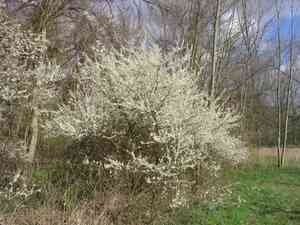
Blackthorn(Prunus spinosa)

Blackthorn (Prunus spinosa)

Also known as: blackthorn, sloe

Blackthorn (Prunus spinosa), also known as sloe, is a sizable deciduous shrub native to Europe, Asia, and Africa. In Britain, the plant’s berries are used to produce sloe gin. In Ireland, the shrub's wood is crafted into walking sticks, often referred to as shillelaghs.

Attributes of Blackthorn

Lifespan
Perennial
Plant Type
Tree, Shrub
Plant Height
4 m to 8 m
Spread
4 m
Leaf Color
Green
Flower Size
1 cm to 1.5 cm
Flower Color
White

ForwardPlant - Identify plants with a snap

Identify and diagnose plants, get toxicity alerts, and explore safety guides for all types of fungi.

Try for Free

Images of Blackthorn

Blackthorn(Prunus spinosa)

Quickly Identify Blackthorn

1
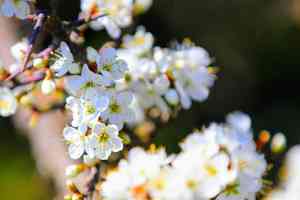
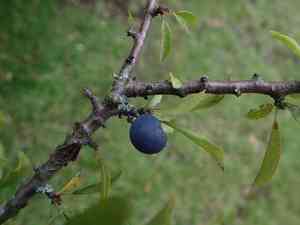
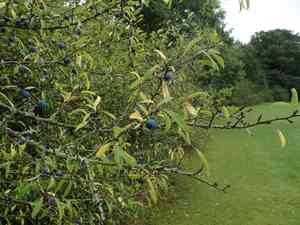
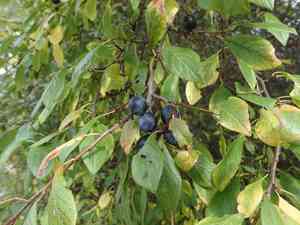
Look for a shrub or small tree with thorny branches, white flowers in early spring, and dark purple to black small fruits in late summer. The leaves are ovate with a serrated margin.

Scientific Classification of Blackthorn

Phylum
Vascular plants
Class
Dicotyledons
Order
Roses, elms, figs, and allies
Family
Rose
Genus
Prunus
Species
Blackthorn

Planting and Growing of Blackthorn

Care Difficulty
Easy
Watering Schedule
Every 2 days
Sunlight Requirements
Full sun
Sunshine Duration
4-6 hours
Ideal Temperature
50-77℉
Soil Type
Potting Mix, Peat Mix
Soil pH
6.5-7.5
Fertilizer Type
Balanced
Pruning Season
Spring, Summer
Pruning Area
Branches, Leaves
Pruning Frequency
2 times a year
Repotting Season
Spring
Pot Type
Plastic, Ceramic

water icon How to Water Blackthorn?

Prunus spinosa appreciates a moderate amount of water. It's best to ensure the soil is moist but not waterlogged, which can be determined by ensuring the top 1-2 inches of soil have dried out before watering again. The amount of 250 milliliters per session is typically sufficient, depending on soil conditions and climate.
What are the symptoms of an underwatered Blackthorn?
What should I do if my Blackthorn is not getting enough water?
What are the symptoms of an overwatered Blackthorn?
How to save an overwatered Blackthorn?
More About Watering Techniques

sunlight icon What Are the Sunlight Requirements for Blackthorn?

Sunlight Requirements: Full sun, Partial sun
Duration of light: 6-8 hours daily
Prunus spinosa thrives in full sun to partial sun environments. Adequate sunlight ensures vigorous growth, enhances floral displays, and encourages plentiful fruiting.
What is the best light condition for Prunus spinosa?
How can Prunus spinosa achieve ideal lighting conditions?
What benefits does ideal lighting provide to Prunus spinosa?
More About Sunlight Requirements Techniques

temperature icon What Is the Ideal Temperature Range for Blackthorn?

Ideal Temperature: 50 ~ 77℉
Prunus spinosa, commonly known as blackthorn, thrives best in temperatures ranging from 50°F to 77°F (10°C to 25°C). This range ensures optimal growth and fruit production. Ensuring that temperatures remain within this range provides the conditions necessary for healthy foliage and abundant flowering, crucial for successful berry development.

soil icon What Soil is Best for Blackthorn?

Soil type: Loam, Sandy loam, Clay soil
Soil PH: 6.5 ~ 7.5
Prunus spinosa thrives in well-drained soils, which prevents root rot and ensures adequate aeration. Well-drained conditions are critical for healthy growth and fruit production, as they reduce waterlogging and improve root development. This plant benefits from nutrient-rich soil, providing essential minerals for growth. Adequate nutrients contribute to robust leaf development and abundant fruit yield, crucial for its role in ecosystem as a food source for wildlife. Soil that retains moderate moisture is beneficial for Prunus spinosa, ensuring consistent hydration without waterlogging. This balance helps maintain cellular structure and supports continuous growth throughout varying seasonal conditions. More About Soil

fertilize icon How to Fertilize Blackthorn?

Fertilizer type: Balanced
For Prunus spinosa, the amount of fertilizer you use should be moderate as this plant does not require excessive feeding. Applying too much can damage its roots and overall health. A balanced fertilizer diluted to half its strength is recommended for liquid applications, while a slow-release fertilizer should be spread at the rate of about 1 to 2 pounds per 100 square feet a year. More About Fertilizing Techniques

prune icon How to Prune Blackthorn?

Pruning Time: Spring, Summer
Begin by cutting away any dead, damaged, or diseased branches. This step is crucial to prevent the spread of disease and to maintain the plant’s health. Make clean cuts back to a healthy part of the wood. Identify areas where branches are too crowded and selectively prune to improve air circulation. This is important for reducing the risk of fungal infections and ensuring even sunlight distribution. Prunus spinosa can be shaped into a hedge form or maintained as a small tree. Trim back the main stems and encourage a desirable shape by regularly maintaining the structure through strategic cuts that control its growth size. More About Pruning Techniques

propagate icon How to Propagate Blackthorn plant?

Propagate Time: Early spring, Late autumn
1
Seeds of Prunus spinosa require stratification; they should be soaked in water for 24 hours and then stored in moist sand in a cool, dark place for several months to break dormancy.
2
In late autumn, take semi-hardwood cuttings from healthy plants about 15 cm long. Remove the lower leaves and make a clean cut just below a node.
3
Grafting is usually done in early spring. A whip-and-tongue graft is popular for Prunus spinosa, where a compatible rootstock is used.
More About Propagating Techniques

repot icon How to Repot Blackthorn plant?

Repotting frequency: Every 2-3 years
1
Look out for signals such as roots creeping out of the drainage holes or slow growth, which indicate your Prunus spinosa is ready for a new pot. Typically, the best time to repot is during early spring or early autumn when the plant is not actively blooming.
2
Select a pot 2-3 inches larger in diameter than the old one, with ample drainage holes. This allows roots more space to expand, ensures proper drainage, and helps prevent root rot, promoting healthier plant growth.
3
Use a well-draining loamy soil mixed with some organic matter like compost. This blend retains necessary moisture and nutrients while allowing excess water to escape, fostering a robust root system and preventing waterlogging.

ForwardPlant - Identify plants with a snap

Find the best spots for them to optimize their health, simply using your phone.

Try for Free

Toxicity of Blackthorn

Is Blackthorn toxic to humans?

Blackthorn presents a moderate toxicity threat to humans, primarily from ingestion. The entire plant contains toxic elements, except for the ripe flesh, which is safe for consumption. Ingesting other parts may release hydrogen cyanide, a potent compound that disrupts cellular oxygen utilization. Poisoning symptoms can encompass difficulty breathing, dizziness, headaches, confusion, and potentially seizures. The intensity of these symptoms can differ based on the quantity consumed. It is essential for individuals to refrain from consuming any part of blackthorn aside from the ripe flesh to avoid unintentional poisoning.

Is Blackthorn toxic to cat?

Blackthorn carries a moderate toxicity risk for cats and can be especially perilous if ingested accidentally. Each part of the plant is toxic except for the ripe fruit, meaning that contact with any other segment can lead to potential poisoning. Cats that consume blackthorn may show signs of physical discomfort or illness. In the event of such an occurrence, it is crucial to obtain immediate veterinary care to ensure the cat's health is properly addressed. The toxic agent found in blackthorn is hydrogen cyanide, which accounts for these negative health repercussions; therefore, it is vital to take precautions to keep cats away from this plant.

Is Blackthorn toxic to dog?

Blackthorn presents a moderate toxicity threat to dogs. Canines might unintentionally consume various parts of blackthorn, resulting in possible poisoning. The main risk stems from the ingestion of any section of the plant, excluding the ripe fruit, which is deemed toxic. If a dog ingests blackthorn, it may display symptoms such as vomiting, diarrhea, abdominal discomfort, and more severe reactions like respiratory distress or seizures due to hydrogen cyanide content. Dog owners must remain alert and ensure their pets do not reach blackthorn. Should a dog ingest this plant, seeking immediate veterinary care is essential for timely treatment.

Identify toxic plants for your safety

Learn which plants are harmful to you and your pets, and make informed choices for a safer home!

Try for Free
WARNING
The judgment on toxicity and danger is for reference only. We DO NOT GUARANTEE any accuracy of such judgment. Therefore, you SHALL NOT rely on such judgment. It is IMPORTANT TO SEEK PROFESSIONAL ADVICE in advance when necessary.
More About Toxic Techniques