How to Transplant Amur chokecherry?
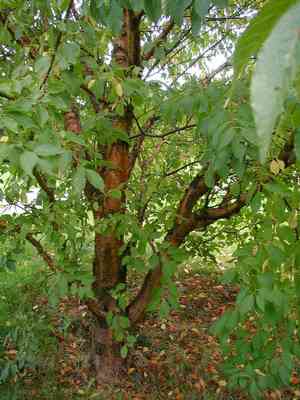
Transplant amur chokecherry during the period of vibrant spring and early summer growth, specifically from mid-spring through late spring, to encourage robust development. Select locations that receive ample sunlight and offer effective water drainage. Bear in mind that careful attention after transplantation is crucial for establishing roots and ensuring future prosperity.
What Preparations are Needed Before Transplanting Amur Chokecherry?
What is the Ideal Time for Transplanting Amur Chokecherry?
The optimal period for relocating amur chokecherry is when spring rains begin to subside, yet prior to the full onset of summer heat. This timing permits the plant to develop roots in moderate soil, benefiting from favorable growing conditions. Moving amur chokecherry during late spring's gentle transition offers ample time for adaptation before summer's harshness, ensuring a strong beginning. A friendly reminder, helping amur chokecherry flourish begins with selecting this opportune moment, so they can settle in easily and thrive in their new home.
How Much Space Should You Leave Between Amur Chokecherry Plants?
Enrich your garden by providing your amur chokecherry ample room to thrive. Aim for a comfortable spacing of approximately 15-20 feet (4.5-6 meters) between each plant. This will guarantee that each amur chokecherry has sufficient area to extend its branches and grow contentedly!
What is the Best Soil Mix for Amur Chokecherry Transplanting?
Treat your amur chokecherry's base with care! Prepare a comfortable bed of well-draining soil, rich in organic material. Incorporate a balanced, slow-release fertilizer before settling your amur chokecherry. This will provide a nourishing start for your plant's new journey.
Where Should You Relocate Your Amur Chokecherry?
Every amur chokecherry enjoys a sunbath! Select a sunny location where your plant can receive at least 6 hours of direct sunlight daily. A bit of shade is acceptable, but too much can result in a less vibrant amur chokecherry. Discover that perfect spot for the brightest blooms!
What Equipments Should You Prepare Before Transplantation Amur Chokecherry?
Gardening Gloves
To safeguard your hands while handling soil and plants.
Shovel or Spade
For excavating and lifting the root ball of amur chokecherry.
Watering Can or Hose
To hydrate amur chokecherry before and after relocation.
Wheelbarrow or Tarp
To move amur chokecherry from its original spot to the new planting site.
Pruning Shears
For trimming any damaged roots or branches prior to transplanting.
Measuring Tape
To ensure the new hole is appropriately sized for the root ball.
How Do You Remove Amur Chokecherry from the Soil?
How Do You Remove Amur Chokecherry from the Soil?
From Ground: Hydrate amur chokecherry to moisten the soil. Dig a wide trench around the plant with a spade, keeping the root ball intact. Carefully lift amur chokecherry by sliding the spade beneath the root ball.From Pot: Water amur chokecherry, then turn the pot sideways and gently tap to loosen. Slide amur chokecherry out while supporting the plant's base and carefully untangle circling roots if present.From Seedling Tray: Water the tray to make the soil damp. Use a small tool to gently lift the seedling by its leaves, ensuring the entire root system comes along undisturbed.
Step-by-Step Guide for Transplanting Amur Chokecherry
Preparation
Water amur chokecherry thoroughly the day before transplanting to minimize shock and facilitate removal.
Transplant Hole
Dig a hole in the ground twice the width and the same depth as the root ball of amur chokecherry, to allow roots to spread easily.
Root Pruning
Inspect amur chokecherry's roots and snip off any damaged or excessively long roots with pruning shears to encourage new growth.
Placement
Position amur chokecherry in the center of the hole, ensuring it stands upright and at the same depth it was previously growing.
Backfilling
Gently refill the hole with the excavated soil, tamping down lightly to remove air pockets without over-compacting the soil.
Watering
After transplanting, water amur chokecherry generously to help settle the soil around the roots and provide vital moisture.
How Do You Care For Amur Chokecherry After Transplanting?
Mulching
Apply a layer of organic mulch around the base of amur chokecherry to help retain soil moisture and regulate soil temperature.
Pruning
Trim any broken or damaged branches after transplanting to help amur chokecherry focus its energy on root establishment.
Monitoring
Regularly check on amur chokecherry's condition and stability, staking if necessary to ensure it remains upright.
Watering Schedule
Maintain consistent watering to help amur chokecherry's roots establish in their new location, gradually reducing frequency as the plant settles.
Troubleshooting Common Issues with Amur Chokecherry Transplantation.
What's the best time to transplant amur chokecherry?
The optimal period is during the late spring to early summer months, allowing amur chokecherry to establish before extreme weather.
How much space does amur chokecherry need when transplanting?
Ensure amur chokecherry has ample room to grow, with 15-20 feet (4.5-6 meters) spacing between plants.
How deep should the hole be for transplanting amur chokecherry?
The hole must be twice the width and the same depth as the root ball to accommodate growth.
Can I transplant amur chokecherry in the fall?
While spring to early summer is best, fall transplanting is possible, but ensure amur chokecherry establishes before frost.
What soil conditions favor amur chokecherry after transplanting?
Well-draining, fertile soil pH near neutral is ideal. Amend with organic matter if necessary.
How do I water amur chokecherry after transplanting?
Water thoroughly after transplanting, then regularly to keep soil moist, not waterlogged, while amur chokecherry establishes.
Should I fertilize amur chokecherry immediately after transplanting?
Wait until amur chokecherry shows new growth before fertilizing, to avoid stressing the newly transplanted plant.
How do I handle root-bound amur chokecherry when transplanting?
Carefully loosen the roots before planting, encouraging them to spread out in the new location.
What's the sign of successful amur chokecherry transplant?
New growth in leaves and branches indicates successful transplant and establishment in the new spot.
Why is my transplanted amur chokecherry wilting?
Wilting can result from transplant shock. Minimize by keeping soil moist and protecting amur chokecherry from strong sun and winds initially.



