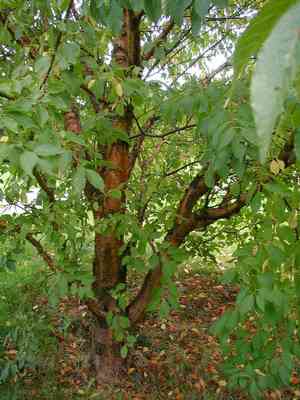
Amur chokecherry (Prunus maackii)
Also known as: Amur chokecherry, Manchurian cherry
Amur chokecherry trees, known for their white blossoms and red fruit, should be planted at least 6 to 8 meters away from concrete structures like sidewalks, patios, and porches. This precaution is necessary because their shallow, spreading root systems can cause damage to concrete surfaces as they expand. Ensuring proper distance helps protect both the tree and nearby structures.
In This Article
Attributes of Amur chokecherry
Lifespan
Perennial
Plant Type
Tree
Plant Height
6 m to 9 m
Spread
7 m
Leaf Color
Yellow Green
Flower Size
5 cm to 8 cm
Flower Color
White
Images of Amur chokecherry
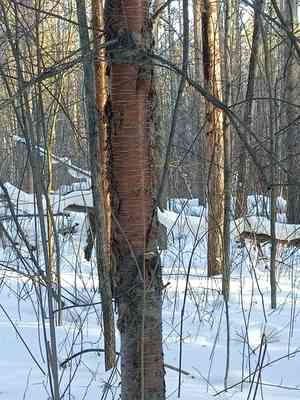
Quickly Identify Amur chokecherry
1
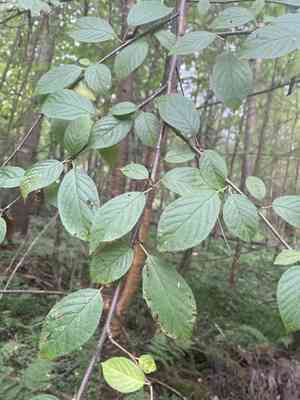
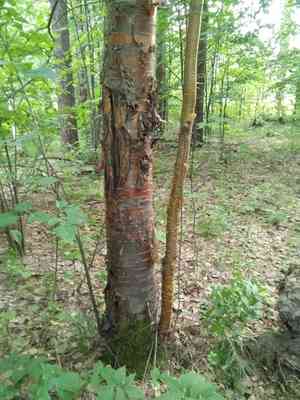
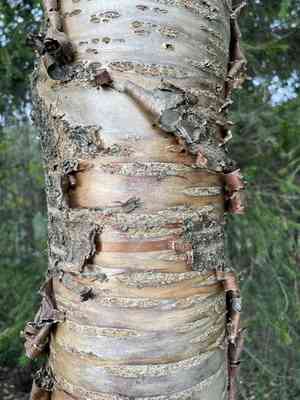
Identify Prunus maackii by its unique exfoliating bark, which is golden to coppery-brown. The leaves are ovate to lanceolate, and fine serration marks the edges. In spring, it produces small, fragrant white flowers in clusters, followed by small black fruits.
Scientific Classification of Amur chokecherry
Phylum
Vascular plants
Class
Dicotyledons
Order
Rosales
Family
Rose
Genus
Prunus
Species
Amur chokecherry
Planting and Growing of Amur chokecherry
Care Difficulty
Easy
Watering Schedule
Every 8 days
Sunlight Requirements
Full sun
Sunshine Duration
4-8 hours
Ideal Temperature
60-75℉
Soil Type
Potting Mix, Peat Mix
Soil pH
6.5-7.5
Fertilizer Type
Balanced
Pruning Season
Spring, Summer
Pruning Area
Branches, Leaves
Pruning Frequency
2 times a year
Repotting Season
Spring
Pot Type
Plastic, Ceramic
 How to Water Amur chokecherry?
Prunus maackii thrives with generous watering of about 750 milliliters each session. Aim to provide sufficient water until the soil is evenly moist but not soggy. This ensures the roots can easily access the moisture without being waterlogged.
What are the symptoms of an underwatered Amur chokecherry?
›
What should I do if my Amur chokecherry is not getting enough water?
›
What are the symptoms of an overwatered Amur chokecherry?
›
How to save an overwatered Amur chokecherry?
›
 What Are the Sunlight Requirements for Amur chokecherry?
Prunus maackii thrives in full to partial sun, benefiting from 6 to 8 hours of exposure. Ideal light conditions promote vibrant growth, robust foliage, and ample flowering potential.
More About Sunlight Requirements Techniques→
Optimal Location for Planting
›
Adjusting Light Levels
›
Seasonal Adjustments
›
 What Is the Ideal Temperature Range for Amur chokecherry?
Prunus maackii thrives best in a temperature range of 60°F to 75°F. This range supports optimal growth and flowering, ensuring that the plant can maintain its physiological processes without stress.
 What Soil is Best for Amur chokecherry?
Prunus maackii thrives in well-drained soil as it prevents waterlogging, which can lead to root rot and other fungal diseases. Adequate drainage helps the roots get the necessary oxygen and nutrients, promoting healthy growth. Nutrient-rich soil provides the essential minerals and elements necessary for the robust growth of Prunus maackii. It ensures the tree has enough resources to support its flowering and fruiting processes, resulting in a healthier plant. Soil that retains a moderate amount of moisture is crucial for Prunus maackii as constant hydration supports its growth while preventing dehydration during dry spells, but it's vital that it doesn't hold too much water to avoid root issues.
 How to Fertilize Amur chokecherry?
Prunus maackii, also known as the Amur chokecherry, benefits from a balanced approach when it comes to fertilizer amount. For liquid fertilizer, use approximately 1 tablespoon per gallon of water, enough to nourish the plant without overloading its roots. For slow-release granular fertilizer, apply loosely around the base, about 1/2 cup per plant, ensuring it is spread evenly.
 How to Prune Amur chokecherry?
Prune in spring or summer, avoiding late autumn or winter as the plant enters dormancy and drastic pruning can inhibit its growth cycle. Focus on thinning the crown, removing crossed branches, and maintaining a balanced shape which promotes better air circulation and sunlight penetration. Remove branches that grow inward or rub against others to foster a more organized structure, preventing potential damage caused by wind or weight.
More About Pruning Techniques→
 How to Propagate Amur chokecherry plant?
1
Collect mature seeds from the fruit in late autumn. Clean them to remove any pulp, and store them in a cool, dry place until spring. This helps prevent mold and ensures seeds remain viable until planting.
2
In early spring, select healthy branches from the parent plant and cut them to about 6 inches long. Remove any leaves from the bottom half to prevent decay when placed in soil.
3
Grafting involves joining two plants so that they grow as one. Make sure both scion and rootstock have similar diameters. Secure the graft with grafting tape, ensuring tight contact to promote successful tissue fusion.
 How to Repot Amur chokecherry plant?
1
Prunus maackii should be repotted when you notice the roots circling the pot or pushing out through the drainage holes. Another sign is when the plant seems to be outgrowing its current container, leading to stunted growth. Ideally, repotting should be done in early spring or autumn to help minimize root shock.
2
Select a pot slightly larger than the current one, ensuring it has adequate drainage holes. A pot that's one to two inches wider in diameter is usually suffice. This prevents waterlogging and allows for proper root growth, giving your Amur Chokecherry room to stretch its roots. The material of the pot should also allow for airflow, promoting healthy root development and avoiding root rot.
3
Opt for a well-draining loamy soil mix to repot Prunus maackii, which helps to prevent root rot by allowing excess water to escape easily. Adding some organic matter or compost can enhance soil fertility, supporting healthy tree growth. This type of soil encourages strong root systems and provides the necessary nutrients for vigorous growth.



