How to Transplant Chinese bush cherry?
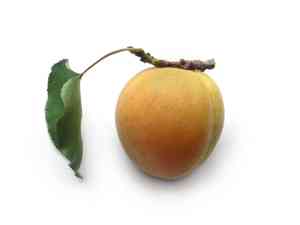
The optimal period for relocating chinese bush cherry is in the refreshing early spring, facilitating strong root development prior to the summer season. Select a location that receives ample sunlight and has soil that drains effectively. Should you place it close to other vegetation, account for its future size, as chinese bush cherry prefers sufficient room to flourish.
What Preparations are Needed Before Transplanting Chinese Bush Cherry?
What is the Ideal Time for Transplanting Chinese Bush Cherry?
The perfect time to move chinese bush cherry to its new home is during spring, when nature reawakens. This period allows chinese bush cherry to establish its root system in mild temperatures before summer's heat. Transplanting in springtime gives chinese bush cherry the benefit of upcoming rains, which nourish its growth, aligning with the natural cycle of perennial renewal. By choosing this season, you provide chinese bush cherry the best chance for strong, healthy development, ensuring it thrives in its new spot.
How Much Space Should You Leave Between Chinese Bush Cherry Plants?
Prepare to give chinese bush cherry ample room! Aim for 4-6 feet (1.2-1.8 meters) between each plant. This ensures they have sufficient space to grow and flourish without competing for essential nutrients.
What is the Best Soil Mix for Chinese Bush Cherry Transplanting?
The chinese bush cherry thrives in well-draining, loamy or sandy soil. Give it a strong start by enriching the soil with a balanced, slow-release fertilizer during planting. This will supply crucial nutrients to help your chinese bush cherry become established.
Where Should You Relocate Your Chinese Bush Cherry?
Location is crucial for your chinese bush cherry's well-being. Choose a spot that receives full sun to partial shade, as too much shade can diminish its vigor and flowering. Sunlight is essential for its growth!
What Equipments Should You Prepare Before Transplantation Chinese Bush Cherry?
Gardening Gloves
To safeguard your hands while handling soil and the chinese bush cherry plant.
Shovel or Garden Trowel
For digging holes and extracting the plant from its original spot. A trowel is better for smaller plants, while a shovel is needed for larger ones.
Pruning Shears
To trim any damaged roots or branches prior to transplanting.
Watering Can or Hose
To hydrate the plant before and after its relocation.
Mulch
To help the newly transplanted chinese bush cherry plant retain soil moisture.
Garden Cart or Wheelbarrow
To safely transport the plant to its new location without causing harm, especially if the plant is large.
Planting Stakes and Ties
To provide stability to the chinese bush cherry plant once it has been transplanted.
How Do You Remove Chinese Bush Cherry from the Soil?
How Do You Remove Chinese Bush Cherry from the Soil?
From Ground: First, water the chinese bush cherry plant to moisten the soil, making removal easier. Then, dig a circle around the plant with your shovel, maintaining a significant distance to avoid root damage. Afterward, carefully dig beneath the root ball and gently lift the plant from its spot.From Pot: Start by watering the plant generously. Then, place your hand over the soil, turn the pot sideways or upside down, and gently tap until the chinese bush cherry plant, along with the soil, slides out.From Seedling Tray: Fill the pot or ground space with soil, then create a small hole for the seedling. Use a pencil or stick to carefully pry the chinese bush cherry seedling from the tray, ensuring no harm comes to the roots.
Step-by-Step Guide for Transplanting Chinese Bush Cherry
Digging
Excavate a hole in the new planting site that is twice the width and the same depth as the chinese bush cherry plant's root ball. The wider hole allows roots to spread out.
Preparation
If any roots appear damaged or dead, use pruning shears to remove them.
Placement
Position the chinese bush cherry plant into the hole. Ensure the top of the root ball is level with the ground surface.
Back-filling
Refill the hole halfway with soil, then water thoroughly. Once the water drains, fill in the remainder of the hole.
Watering
Water the plant after transplanting. Keep the soil consistently moist, but not waterlogged.
Staking
Optionally, use planting stakes and ties to provide stability to the chinese bush cherry plant.
How Do You Care For Chinese Bush Cherry After Transplanting?
Monitoring
Continuously check your newly transplanted chinese bush cherry plant daily for the initial week, and then regularly thereafter. Watch for any wilting or leaf drop.
Watering
Maintain consistent soil moisture, especially during the first few weeks. However, avoid excessive water to prevent root rot.
Pruning
Trim off any dead or dying branches in the initial weeks. This helps the chinese bush cherry plant direct its energy into developing a strong new root system. Do not fertilize immediately after transplanting – wait for approximately one month before starting.
Protection
Shield the plant from harsh weather conditions. A layer of mulch can help protect the plant from extreme heat or cold, and also aids in maintaining soil moisture.
Troubleshooting Common Issues with Chinese Bush Cherry Transplantation.
When should I transplant my chinese bush cherry?
The optimal time to move your chinese bush cherry is during early to mid-spring, before the summer heat arrives.
What's the recommended spacing for chinese bush cherry during transplanting?
Ensure each chinese bush cherry has a space of 4-6 feet (1.2-1.8 meters) around it to grow and spread without competition.
How can I ensure my chinese bush cherry survives the transplanting process?
Begin by acclimating the chinese bush cherry to its new location. Then, carefully dig it up, avoiding root damage, place it in the new hole, and water thoroughly.
Why are the leaves of my transplanted chinese bush cherry turning yellow?
Yellowing leaves on a chinese bush cherry could indicate water stress, either from over or under-watering. Adjust your watering schedule and observe any changes.
Do I need to prune chinese bush cherry before transplanting?
It is beneficial to prune chinese bush cherry prior to transplantation. This helps reduce stress on the plant and assists in its recovery and growth post-transplant.
Should I fertilize chinese bush cherry when transplanting?
Yes, applying a slow-release fertilizer can help the chinese bush cherry establish in its new location. However, avoid high-nitrogen fertilizers, which may cause soft, weak growth.
How deep should I plant my transplanted chinese bush cherry?
Plant chinese bush cherry at the same depth it was previously growing. Too deep can lead to stem rot, while too shallow may leave roots exposed.
What should I do if my transplanted chinese bush cherry isn't flowering?
If chinese bush cherry is not flowering, it might be lacking nutrients or sunlight. Check if the location receives enough light and apply a phosphorus-rich fertilizer to encourage blooming.
How often should I water my transplanted chinese bush cherry?
Initially, water your chinese bush cherry daily for the first week, then gradually reduce to once a week. Ensure it receives about 1 inch (2.5 cm) of water weekly.
What are signs that my transplanted chinese bush cherry is thriving?
Healthy leaf growth, producing flowers, and developing new shoots are indicators that your chinese bush cherry is content in its new spot. Just continue caring for it as advised!



