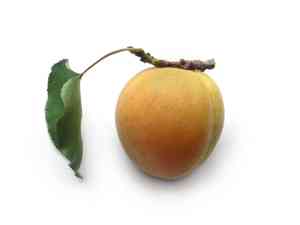
Chinese bush cherry (Prunus glandulosa)
Also known as: Flowering almond
The Chinese bush cherry, a favored ornamental tree with various hybrid forms, is indigenous to East Asia. It acts as a host for the larvae of the eastern Tiger swallowtail butterfly (Papilio glaucus). However, it is important to note that all parts of this plant contain cyanide, making it toxic to humans if consumed.
Attributes of Chinese bush cherry
Images of Chinese bush cherry
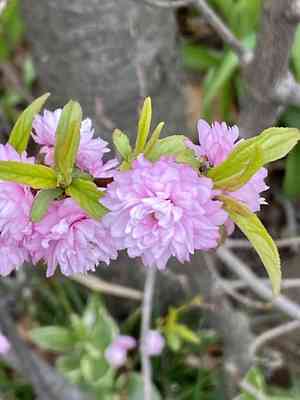
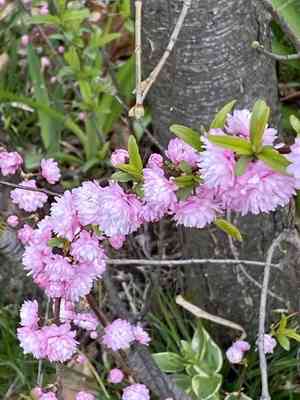
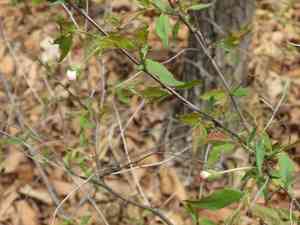
Quickly Identify Chinese bush cherry
Scientific Classification of Chinese bush cherry
Planting and Growing of Chinese bush cherry
 How to Water Chinese bush cherry?
 What Are the Sunlight Requirements for Chinese bush cherry?
 What Is the Ideal Temperature Range for Chinese bush cherry?
 What Soil is Best for Chinese bush cherry?
 How to Fertilize Chinese bush cherry?
 How to Prune Chinese bush cherry?
 How to Propagate Chinese bush cherry plant?
 How to Repot Chinese bush cherry plant?
Toxicity of Chinese bush cherry
Is Chinese bush cherry toxic to cat?
The Chinese bush cherry is known to be toxic to felines, and it is important to note that every part of this plant poses a potential threat. When ingested, Chinese bush cherry can cause symptoms in cats such as gastrointestinal discomfort and vomiting. Due to the toxic nature of the Chinese bush cherry, it is crucial to ensure that pets do not inadvertently ingest this plant. Should you suspect that your pet has been poisoned, it is essential to seek veterinary care without delay.
Is Chinese bush cherry toxic to dog?
The Chinese bush cherry is a plant that poses a significant level of toxicity to dogs. Every part of this plant contains harmful substances that can lead to poisoning if dogs come into contact with it. While the exact mechanism of toxicity is not detailed, any form of interaction—ranging from ingestion to mere physical contact—carries a potential risk. When dogs are exposed to the Chinese bush cherry, they may exhibit symptoms including excessive drooling, vomiting, diarrhea, a decreased appetite, and lethargy. If these symptoms are observed, it is crucial to take immediate action by seeking veterinary care promptly to ensure your dog's quick recovery. To reduce the risk of poisoning, it is recommended to either keep this plant out of reach from pets or completely remove it from their surroundings.



