How to Transplant Sour cherry?
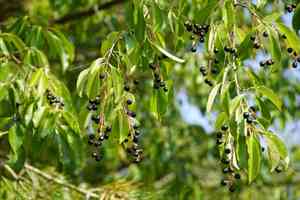
Relocate sour cherry during the prime period of early to late spring, when the soil is warmer and adequately hydrated for superior root development. Select a site with good drainage that receives full sun or partial shade. If necessary, offer guidance on transplanting for optimal outcomes. Enjoy your planting!
Preparations Required Before Relocating Sour Cherry
Optimal Period for Transplanting Sour Cherry?
Ideally, move the sour cherry at the onset of spring or as spring reaches its peak. This timing is advantageous because sour cherry's roots establish quickly in spring's damp soil, and mild temperatures offer prime growth conditions. Additionally, transplanting now reduces the risk of summer drought stress. Undertake sour cherry relocation this spring for improved growth and excellent fruit production.
Recommended Spacing Between Sour Cherry Plants?
For sour cherry, it's best to provide ample room for development by positioning them 15-20 feet (4.5-6 meters) apart. This ensures adequate air circulation and prevents overcrowding.
Best Soil Mixture for Sour Cherry Relocation?
When moving sour cherry, select well-draining soil enriched with a foundational fertilizer like compost or aged manure. Ideally, a loamy or sandy soil with a pH between 6.0 and 7.0 will foster robust growth.
Where to Replant Your Sour Cherry?
To ensure sour cherry receives necessary sunlight, choose a spot that gets full sun (at least 6 hours daily) or partial shade. This will help your plant yield those delightful sour cherries!
Equipment to Prepare Before Transplanting Sour Cherry
Gardening Gloves
To safeguard your hands while handling soil and plants.
Shovel or Spade
For digging holes and loosening earth during the transplanting process.
Garden Trowel
Used for more precise digging tasks and adjustments during relocation.
Garden Fork
To assist in breaking up compacted soil and enhancing aeration.
Watering Can or Hose
For hydrating the plant post-transplantation.
Mulch
To aid in moisture retention and regulate soil temperature around the plant.
How to Extract Sour Cherry from the Soil?
How to Extract Sour Cherry from the Soil?
From Ground: First, moisten the sour cherry plant to dampen the soil. Then, excavate a wide trench around the plant using a shovel or spade, ensuring the plant's root ball remains intact. Carefully maneuver the spade beneath the root ball to lift the plant from its original spot.From Pot: Water the sour cherry plant in its container to facilitate easier root ball removal. Gently tilt the pot on its side and carefully slide the root ball out while supporting the plant's base.From Seedling Tray: Gently grasp the sour cherry seedling by its leaves, not the stem, and use a garden trowel to carefully loosen the soil around the roots. Lift the seedling out, ensuring the roots are not damaged.
Step-by-Step Guide for Relocating Sour Cherry
Location Selection
Pick a spot with sufficient room for your sour cherry to grow and reach its mature size.
Soil Preparation
Use a garden fork to loosen the soil in the planting area, breaking up any dense sections and improving air circulation.
Digging the Hole
Excavate a hole with a shovel or spade, making it at least twice the width of the plant's root ball and equally deep.
Placing the Plant
Gently position the sour cherry plant in the hole, ensuring the top of the root ball is level with the soil surface.
Filling the Hole
Carefully backfill the hole with soil, gently firming it down around the plant to eliminate any air pockets.
Watering
Thoroughly water the sour cherry plant, ensuring the soil is uniformly moist but not waterlogged.
Mulching
Apply a layer of mulch around the plant's base to help retain moisture and regulate soil temperature.
Post-Transplantation Care for Sour Cherry
Watering
Water the sour cherry plant frequently, especially during the initial weeks after relocation, to aid in establishing strong roots.
Pruning
Regularly remove any dead or diseased branches to encourage healthy growth and prevent the spread of ailments.
Frost Protection
Shield young sour cherry plants from frost by covering them with fleece or plastic sheets during cold nights. Remove coverings during the day to allow air circulation.
Pest & Disease Management
Periodically inspect the sour cherry plant for indications of pests and diseases, and address them promptly to prevent harm to your plant.
Resolving Common Issues with Sour Cherry Relocation.
When is the best time to move my sour cherry?
The optimal period to transfer your sour cherry is from early to late spring. This allows the plant ample time to establish its root system before the summer heat arrives.
What distance should I maintain between each sour cherry when relocating?
Your sour cherry will thrive with space, so keep them approximately 15-20 feet (4.5-6 meters) apart for optimal growth.
What type of soil does sour cherry prefer for ideal growth?
Sour cherry flourishes in well-draining, fertile soil rich in organic matter. A neutral pH around 6.0-7.0 is most suitable for these plants.
How deep should the hole be when transplanting sour cherry?
Dig a hole that is twice as wide and the same depth as the root ball, typically around 15-20 inches (38-51 cm) depending on the size of your sour cherry.
What kind of sunlight exposure does sour cherry require?
Sour cherry thrives under full daylight exposure but can endure partially shaded conditions. Ensure they receive at least 6-8 hours of sunlight daily.
How often should I water sour cherry after transplanting them?
Water your sour cherry deeply and thoroughly after relocation, and keep the soil moderately moist. Be careful not to overwater and drown the roots.
What is the correct procedure to remove sour cherry from its current location for transplanting?
Use a shovel to gently dig around the base of the sour cherry, trying to avoid damaging the roots. Once loosened, carefully lift the plant from the ground.
How will I know if sour cherry isn't thriving after being transplanted?
Look for signs of stress such as yellowing or drooping leaves. If these symptoms persist after a week or two, your sour cherry may need more attention or a different location.
How long until my relocated sour cherry produces sour cherries?
With proper care, your sour cherry could begin producing fruit in 3-4 years. However, remember that patience is crucial with any fruit tree.
Can sour cherry withstand frost after being transplanted?
Sour cherry can tolerate light frost, but severe temperatures or late spring frosts after budding can cause damage. Consider this when selecting a transplanting date.



