How to Transplant King protea?
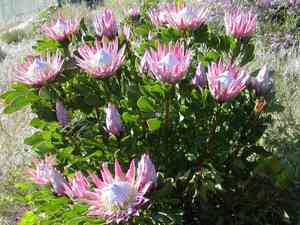
For king protea, the ideal period for relocation is from early to mid-spring, or during the late autumn to late winter months. Choose a bright, adequately draining spot, considering the plant's full-grown dimensions. During the transplanting process, minimize disruption to the root system to facilitate successful integration.
What Preparations are Needed Before Transplanting King Protea?
What is the Ideal Time for Transplanting King Protea?
Move king protea from early spring to mid-spring, or from late autumn into the cold season. This timing is optimal as the plant thrives in cooler conditions and the soil is more manageable. This timely relocation also promotes strong root development and prepares king protea for abundant flowering. Following this advice will ensure a vibrant, flourishing king protea!
How Much Space Should You Leave Between King Protea Plants?
To allow your king protea ample room to grow and flourish, it's best to position them 3-7 feet (0.9-2.1 meters) apart. This spacing ensures plants have sufficient area to expand and prevents overcrowding.
What is the Best Soil Mix for King Protea Transplanting?
For king protea, prepare a soil blend that drains well and has a slightly acidic pH (6.0-6.5). Incorporate a slow-release, balanced fertilizer (10-10-10) to supply vital nutrients that will aid your plant in developing robustly and healthily.
Where Should You Relocate Your King Protea?
Select a new location that receives full sunlight or light dappled shade, as king protea thrives in bright conditions. Ensure the area has good air circulation and protection from strong gusts of wind, to keep your plant content and healthy.
What Equipments Should You Prepare Before Transplantation King Protea?
Gardening Gloves
These will safeguard your hands while handling soil and the king protea plant.
Spade or Shovel
Utilized for excavating the hole for relocation.
Garden Trowel
For careful digging around the plant's root system in its container or in the ground.
Watering Can
To hydrate the king protea before and after its move.
Mulch
Aids in retaining soil moisture and moderating temperature post-transplant.
Wheelbarrow
For transporting the king protea and other necessary items if required.
How Do You Remove King Protea from the Soil?
How Do You Remove King Protea from the Soil?
From Ground: Begin by moistening the soil around the king protea plant with water. Next, use a spade or shovel to dig a wide circle around the king protea, being careful not to harm the root system. Gently work the shovel beneath the plant's root ball, lifting the plant intact from its original spot.From Pot: Water the plant in its container to dampen the soil. Then, carefully tilt the pot sideways and tap it lightly until the plant and its root system slide out. Be sure not to pull the plant out by its stem. If the plant doesn't easily come out, it might be root-bound, and you may need to cut the pot away.From Seedling Tray: Water the tray to moisten the soil. Then, gently squeeze the bottom of the cell or use a clean tool to lift the seedling by pushing up through the hole at the bottom. Be cautious not to damage the delicate root system.
Step-by-Step Guide for Transplanting King Protea
Preparation
Begin by watering your king protea to alleviate transplant stress. Prepare a hole for its new location, which should be twice as wide and as deep as the king protea's root ball.
Positioning
Place the king protea into the hole. The top of the plant's root ball should be level with or slightly above the ground surface. Backfill the hole with soil, gently firming it around the plant's base.
Watering
After placing the king protea in its new spot, water it thoroughly to help the soil settle.
Mulching
Apply a layer of mulch around the plant. This helps to stabilize soil temperature and conserve moisture.
How Do You Care For King Protea After Transplanting?
Watering
Keep the soil around the king protea consistently damp for the initial weeks following transplanting to encourage strong root establishment. Avoid watering the foliage directly; instead, aim for the plant's base.
Pruning
Trim the king protea if necessary. Remove any dead or damaged leaves and spent flowers. This will stimulate further growth and help the plant direct its energy towards developing new roots.
Monitoring
Observe the king protea plant for indications of stress such as wilting and discolored leaves. If these symptoms persist, consult a local nursery or extension service.
Troubleshooting Common Issues with King Protea Transplantation.
When is the best time to transplant king protea?
Relocate king protea from early spring to mid-spring, or from late autumn through late winter for optimal results.
What is the ideal spacing for king protea when transplanting?
Aim for a distance of 3 to 7 feet (0.9 to 2.1 meters) between plants. This will provide king protea sufficient room for healthy development.
Why does my king protea look wilted after transplanting?
King protea might experience transplant shock. Keep it adequately watered, but avoid over-watering. It should recover within a few weeks.
What is the best soil for transplanting king protea?
King protea thrives in well-draining soil. Incorporate coarse sand or perlite to enhance drainage if your soil is heavy or clay-like.
How deep should I plant king protea during transplant?
Plant king protea so the top of its rootball is flush with the soil surface. Avoid planting too deeply to prevent root rot.
Can I transplant king protea in a pot?
Yes, you can. Ensure the container is adequately sized and has proper drainage. Remember to use a well-drained soil mix.
Do I need to prune king protea when transplanting?
Pruning is not essential for transplantation. However, removing dead or damaged foliage can encourage new growth and reduce disease risk.
What kind of sunlight does king protea need after transplantation?
King protea prefers full sun to partial shade; ensure it receives at least 6 hours of sunlight daily for optimal growth.
Why are the leaves of my king protea turning yellow after transplanting?
Yellow leaves could indicate over-watering. Allow the soil to dry out between waterings, and ensure good drainage.
Does king protea need any special care after transplanting?
Ensure it receives sufficient water, especially if the weather is dry. Monitor for pest activity and address it promptly to maintain king protea's health.



