How to Transplant Australian cheesewood?
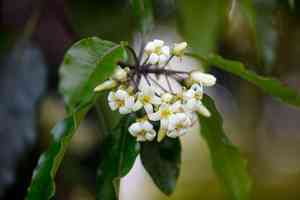
The optimal period for relocating australian cheesewood is from early to mid-spring, facilitating a seamless shift during its vigorous growth phase. Select a site offering filtered sunlight and adequately draining earth to fulfill its requirements. Careful manipulation aids australian cheesewood's successful integration into its new environment.
What Preparations are Needed Before Transplanting Australian Cheesewood?
What is the Ideal Time for Transplanting Australian Cheesewood?
The optimal period for relocating australian cheesewood is at the onset of early to mid-spring. This timing promotes vigorous root development as the ground warms. Utilizing spring's natural energy helps australian cheesewood establish itself, ensuring a full growing season to flourish. A helpful tip: during this phase, the plant's natural growth cycle perfectly aligns with transplanting, setting your australian cheesewood on a path to lushness and vitality.
How Much Space Should You Leave Between Australian Cheesewood Plants?
To provide australian cheesewood ample room for growth, position them 6-8 feet (approximately 1.8-2.4 meters) apart. This spacing guarantees each plant has sufficient area for root expansion and proper air circulation.
What is the Best Soil Mix for Australian Cheesewood Transplanting?
You will require well-draining soil, rich in organic matter for australian cheesewood. Prior to transplanting, ensure the soil is prepared by incorporating a base fertilizer high in nitrogen, phosphorus, and potassium.
Where Should You Relocate Your Australian Cheesewood?
Select a site for australian cheesewood where it receives full sun to partial shade. This is vital for promoting good health and aiding in disease prevention. Enjoy your gardening!
What Equipments Should You Prepare Before Transplantation Australian Cheesewood?
Gardening Gloves
To protect your hands when handling soil and plants.
Shovel or Spade
For excavating holes in the ground to accommodate the plant.
Garden Trowel
For more precise digging, particularly useful for smaller plants.
Watering Can
To adequately hydrate the plant during and after the transplanting process.
Wheelbarrow or Bucket
For moving the plant from one location to another.
Pruning Shears
To trim any damaged or diseased roots or foliage before transplanting.
Soil pH Test Kit
To assess the soil's pH level before transplanting your australian cheesewood.
How Do You Remove Australian Cheesewood from the Soil?
How Do You Remove Australian Cheesewood from the Soil?
From Ground: First, thoroughly water the australian cheesewood plant until the soil becomes soft and moist. Next, dig a wide circle around the plant using a shovel or spade, making sure to keep the root ball intact. Gradually slide the spade or your hands beneath the root ball and gently lift the plant.From a Pot: Begin by watering the plant. Then, place your hand over the top of the pot, invert it while slowly squeezing the sides to dislodge the australian cheesewood. Gently pull the pot away from the plant.From Seedling Tray: Moisten the soil before carefully removing the seedlings. Use a gardening trowel or an old spoon to lever the seedling out, ensuring to retain as much of the original soil around the roots as possible.
Step-by-Step Guide for Transplanting Australian Cheesewood
Digging the Hole
Excavate a hole twice the width and the same depth as the root ball of your australian cheesewood plant. The additional space allows roots to spread and establish more quickly.
Placing the Plant
Position your plant into the hole. The top of the root ball should be level with or slightly above the soil surface.
Refilling
Backfill the hole halfway with the excavated soil, gently compacting it around the root ball to eliminate any air pockets.
Watering
Thoroughly water the plant. Once the water has absorbed, you can fill the remainder of the hole with soil.
Final Touch
Gently pat the soil around the base of the australian cheesewood plant.
How Do You Care For Australian Cheesewood After Transplanting?
Watering
Ensure the soil around the australian cheesewood plant remains consistently moist but not waterlogged for the initial few weeks post-transplant. This will aid in establishing strong roots.
Pruning
Remove any dead, damaged, or diseased stems or leaves to facilitate its recovery and growth.
Monitoring
Regularly observe the plant for signs of stress, such as wilting or a change in color. Should any concerns arise, you may need to adjust its care.
Patience
Do not be alarmed if the plant appears somewhat shocked after transplanting. Allow it some time to acclimate to its new environment.
Troubleshooting Common Issues with Australian Cheesewood Transplantation.
What's the ideal time of year for transplanting australian cheesewood?
The optimal period for transplanting australian cheesewood is during S1-S2, allowing the plant sufficient time to establish before more extreme weather conditions.
Among the crucial tips, would you mention the appropriate transplant spacing for australian cheesewood?
Absolutely! When transplanting australian cheesewood, ensure they are spaced approximately 6-8 feet (1.8-2.4 meters) apart. This will provide room for growth and prevent overcrowding.
How crucial is a well-drained soil during the australian cheesewood transplant?
It is extremely important! Australian cheesewood thrives in well-drained soil. Poor drainage can lead to root rot, hindering growth and potentially killing the plant.
What do I do if the leaves of australian cheesewood become yellow after transplantation?
Yellowing leaves could indicate overwatering or inadequate drainage. Ensure australian cheesewood is in well-drained soil, and adjust your watering schedule accordingly, to encourage healthy growth.
Should I prune australian cheesewood before transplanting? Why?
Yes! Pruning australian cheesewood before transplanting helps to minimize water loss and reduces transplant stress for the plant.
Why is my transplanted australian cheesewood not growing?
Slow or no growth in australian cheesewood can be attributed to planting too deeply, insufficient sunlight, or improper watering. Ensure optimal growing conditions for healthy development.
How would you recommend watering australian cheesewood after transplantation?
After transplanting australian cheesewood, water it thoroughly but avoid saturating the soil. The key is to maintain consistent soil moisture, not waterlogging. Adjust the schedule based on weather conditions.
Do I need to use fertilizer after transplanting australian cheesewood?
Fertilizer is not essential, but it can provide australian cheesewood with a growth boost. If you choose to use it, opt for a slow-release type, and apply it a few weeks after transplanting.
Why are the leaves of my transplanted australian cheesewood falling off?
Leaf drop can be caused by transplant shock, overwatering, or underwatering. Be patient, maintain a consistent watering schedule, and shield the plant from harsh weather conditions.
How do I ensure a strong root system for australian cheesewood after transplanting?
Ensure a robust root system by planting australian cheesewood in well-drained, enriched soil, providing adequate water, and placing it in an area with ample sunlight.



