How to Transplant Terebinth tree?
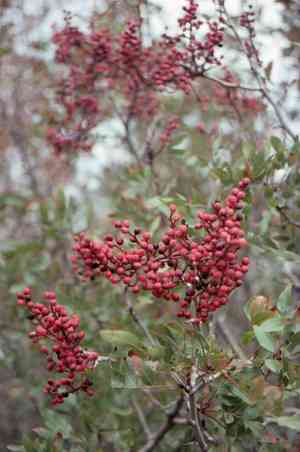
For terebinth tree, the optimal period for relocation occurs in the favorable window of mid-to-late spring, as moderate warmth fosters root development. Select a brightly lit spot featuring soil that drains effectively. Careful management of the root structure guarantees a smooth acclimation.
What Preparations are Needed Before Transplanting Terebinth Tree?
What is the Ideal Time for Transplanting Terebinth Tree?
The optimal period for relocating terebinth tree is during the mild conditions of late spring. This timing ensures the ground is warm, encouraging robust root development. Moving terebinth tree now leverages the season's gentle warmth, promoting growth and recovery prior to summer's heat. A transfer at this point allows terebinth tree ample opportunity to adapt and thrive in its new spot.
How Much Space Should You Leave Between Terebinth Tree Plants?
When moving your terebinth tree, ensure ample room for expansion. Aim for a separation of approximately 16-20 feet (5-6 meters) between each specimen. This provides your terebinth tree sufficient area to flourish without becoming overcrowded.
What is the Best Soil Mix for Terebinth Tree Transplanting?
For terebinth tree, select well-draining soil, incorporating organic material like compost to enrich it. Before planting, blend in a balanced, slow-release fertilizer to give your terebinth tree an excellent start!
Where Should You Relocate Your Terebinth Tree?
Choose a sunny location where your terebinth tree will receive full sun for most of the day. This helps your terebinth tree flourish and achieve its best growth and vitality!
What Equipments Should You Prepare Before Transplantation Terebinth Tree?
Gardening Gloves
To safeguard your hands while handling soil and the plant.
Shovel or Spade
For excavating the plant and creating a hole in the ground for its new placement.
Pruning Shears
For trimming any compromised roots or branches prior to relocation.
Watering Can or Hose
To hydrate the plant before and after its removal and to maintain soil moisture post-transplant.
Wheelbarrow or Tarp
To move the plant from its original spot to the new planting site.
Soil Knife or Trowel
For precise manipulation of soil and roots and for fine-tuning the planting hole.
How Do You Remove Terebinth Tree from the Soil?
How Do You Remove Terebinth Tree from the Soil?
From Ground: First, moisten the terebinth tree to dampen the soil. Next, dig a wide trench around the plant using a shovel or spade, ensuring the root ball stays intact. Carefully work the spade beneath the root ball to lift the plant from its initial position.From Pot: Thoroughly water the terebinth tree. Turn the container sideways, and gently tap the bottom and sides to loosen the soil. Grasp the plant's base, and carefully ease the root ball out. Inspect and trim any circling roots.From Seedling Tray: Water seedlings to help roots and soil adhere. Gently extract each seedling by lifting from the stem's base with a soil knife or trowel, taking care to preserve the root structure.
Step-by-Step Guide for Transplanting Terebinth Tree
Preparation
Ensure all necessary tools are gathered, and the new planting site is ready before commencing the transplant.
Plant Removal
Following the instructions in the 'removal process', carefully extract the terebinth tree from its current spot without harming the root ball.
Hole Creation
Dig a hole at the new site, making it twice as wide as the root ball and of equal depth so the terebinth tree sits at its original growing level.
Placement
Carefully position the terebinth tree in the center of the hole. Gently spread out any bunched-up roots.
Filling In
Backfill the hole with the excavated soil, pressing firmly around the roots to eliminate air pockets and provide support for the terebinth tree.
Watering In
Thoroughly water the transplanted terebinth tree to settle the soil around the root zone and help mitigate transplant shock.
How Do You Care For Terebinth Tree After Transplanting?
Stabilizing
Provide support with stakes if the terebinth tree is tall or unstable, ensuring it can withstand wind without toppling.
Monitoring
Watch for signs of transplant shock, such as wilting or leaf drop, and address any issues promptly.
Pruning
Trim any damaged or excessive growth to direct the terebinth tree's energy towards root establishment.
Watering
Maintain consistent moisture levels in the soil surrounding the terebinth tree to encourage root growth without over-saturation.
Troubleshooting Common Issues with Terebinth Tree Transplantation.
When is the best time to transplant my terebinth tree?
The optimal period to transplant your terebinth tree is during its peak growth phase in mid-to-late spring.
How far apart should I space terebinth tree when planting?
For ideal growth, plant terebinth trees approximately 16-20 feet (5-6 meters) apart from one another.
What soil conditions favor terebinth tree after transplanting?
Post-transplant, terebinth tree prefers well-draining soil, with a slightly acidic to neutral pH, and good fertility.
How do I know if terebinth tree is getting enough water?
Sufficient watering is indicated by moist soil; avoid excessive saturation to prevent root rot.
What sunlight conditions are best for my transplanted terebinth tree?
Your terebinth tree thrives in full sunâaim for at least six hours of direct sunlight daily.
How can I protect my newly transplanted terebinth tree from wind?
Support your terebinth tree with stakes or temporary windbreaks until its roots are established.
How deep should I plant terebinth tree's root ball?
Plant terebinth tree's root ball level with the ground, allowing space for root expansion.
Can I fertilize terebinth tree after transplanting?
Yes, but wait several weeks and choose a balanced, slow-release fertilizer to aid growth.
Why are my terebinth tree leaves wilting after transplant?
Leaf wilt may signal stress; ensure proper watering, but also check for soil drainage problems.
Should I prune my terebinth tree when transplanting?
Light pruning can help manage shape and size, but primarily focus on removing damaged branches.



