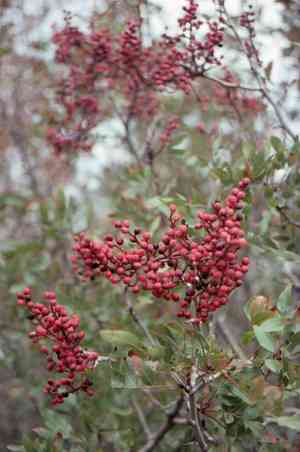
Terebinth tree (Pistacia terebinthus)
Also known as: Terpentine tree, Terebinth pistachio
The Terebinth tree (Pistacia terebinthus), belonging to the cashew family, is a small deciduous tree native to the Mediterranean region and Iran. It thrives in moist environments and can withstand some salt in the soil. Historically, it was probably the first source of turpentine. Additionally, its fruit can be used to create a coffee-like beverage, its oils can be turned into soap, and its bark produces gum.
In This Article
Attributes of Terebinth tree
Lifespan
Perennial
Plant Type
Tree, Shrub
Plant Height
2.5 m to 6 m
Spread
6 m
Leaf Color
Green
Flower Size
15 cm
Flower Color
Yellow Pink Green Purple Red
Images of Terebinth tree
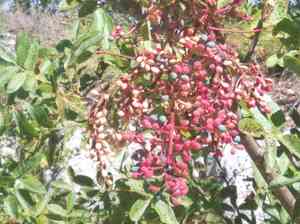
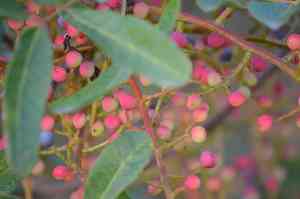
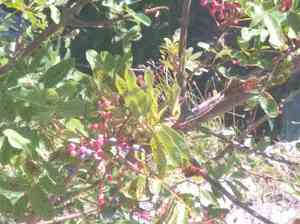
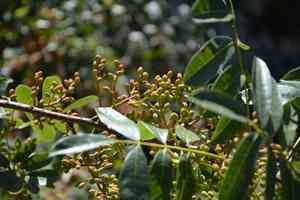
Quickly Identify Terebinth tree
1
Identify Pistacia terebinthus by its compound leaves with 3–9 pairs of leaflets and a single terminal leaflet, small axillary flowers, and clustered red drupes that mature to a bluish-black color.
Scientific Classification of Terebinth tree
Phylum
Vascular plants
Class
Dicotyledons
Order
Sapindales
Family
Cashew
Genus
Pistacia
Species
Terebinth tree
Planting and Growing of Terebinth tree
Care Difficulty
Easy
Watering Schedule
Every 2 days
Sunlight Requirements
Full sun
Sunshine Duration
4-8 hours
Ideal Temperature
60-75℉
Soil Type
Potting Mix, Peat Mix
Soil pH
6.5-7.5
Fertilizer Type
Balanced
Pruning Season
Spring, Summer
Pruning Area
Branches, Leaves
Pruning Frequency
2 times a year
Repotting Season
Spring
Pot Type
Plastic, Ceramic
 How to Water Terebinth tree?
For Pistacia terebinthus, water it deeply but infrequently to mimic its native habitat. Aim for about 500 ml each time, ensuring the soil is moist but not waterlogged. Proper watering involves saturating the root zone while allowing the topsoil to dry slightly between waterings.
What are the symptoms of an underwatered Terebinth tree?
›
What should I do if my Terebinth tree is not getting enough water?
›
What are the symptoms of an overwatered Terebinth tree?
›
How to save an overwatered Terebinth tree?
›
 What Are the Sunlight Requirements for Terebinth tree?
Pistacia terebinthus prospers best in full to partial sun conditions. Ideal sunlight ensures more vigorous growth, lush foliage, and heightened pest resistance.
More About Sunlight Requirements Techniques→
Optimal Sunlight Exposure
›
Solutions for Ideal Sunlight
›
Benefits of Ideal Lighting
›
 What Is the Ideal Temperature Range for Terebinth tree?
The ideal temperature range for Pistacia terebinthus is between 60°F and 75°F. This range provides optimal conditions for growth and photosynthesis, ensuring that the plant develops strong foliage and healthy roots. Consistent temperatures within this zone prevent stress and promote robust development.
 What Soil is Best for Terebinth tree?
Pistacia terebinthus thrives in well-drained soil because it prevents waterlogging, which can lead to root rot. A soil that ensures proper drainage helps the plant maintain optimal health. Rich nutrients in the soil boost the growth and vigor of Pistacia terebinthus. It encourages robust leaf development and overall plant health by providing essential minerals and nutrients. The soil needs to balance moisture retention, ensuring the plant has adequate water supply without oversaturation. This promotes steady growth and reduces the risk of drought stress.
More About Soil→
 How to Fertilize Terebinth tree?
Pistacia terebinthus requires a moderate amount of fertilizer. For liquid fertilizers, use around 100 milliliters diluted in water per plant. For slow-release pellets, 50 grams per plant annually should suffice. This ensures adequate nutrition without overwhelming the root system.
More About Fertilizing Techniques→
 How to Prune Terebinth tree?
Begin by inspecting the tree for any dead, damaged, or diseased branches. Use clean, sharp pruning shears to remove these parts first. Next, focus on thinning out crowded branches to allow sunlight and air to penetrate through the canopy. Trim branches at their base, near the trunk, or at a main limb junction. Aim to create a balanced shape that encourages upright growth, and always cut away from the bud at an angle to prevent water from collecting on the cut surface. To help shape the Pistacia terebinthus for aesthetics and optimal growth, remove any branches that cross or rub against others, as these can lead to wounds that allow disease entry. Consider the natural growth habit of the tree; removing competing leaders or overly vigorous branches can promote a strong, single-stemmed form, which is particularly beneficial in formal garden settings. Regularly step back and assess the tree's shape during pruning to ensure a symmetrical appearance.
More About Pruning Techniques→
 How to Propagate Terebinth tree plant?
1
To propagate Pistacia terebinthus from seeds, start by stratifying the seeds. This involves subjecting them to a period of cold to break dormancy, simulating natural winter conditions.
2
For cutting propagation, prepare semi-hardwood cuttings of about 10-15 cm in length. Ensure each cutting has at least two nodes and remove the lower leaves before planting.
3
Plant the seeds or cuttings in a well-draining soil mix. Place them in a warm, bright location but avoid direct sunlight, ensuring the soil remains consistently moist.
 How to Repot Terebinth tree plant?
1
Look for signs like roots growing out of drainage holes, water not soaking properly, or when the plant visibly outgrows its pot. These indicators suggest it's time to move the Pistacia terebinthus into a more spacious home, ensuring continued healthy growth.
2
Select a pot that is slightly larger than the current one, with ample drainage holes at the bottom. This prevents waterlogging, which is crucial for avoiding root rot and allowing the roots to spread comfortably, facilitating better nutrient absorption.
3
Opt for a soil that is rich in organic matter and excellent at retaining some moisture without staying wet. Such soil supports robust root development by providing a steady flow of necessary nutrients while preventing excessive water retention that could lead to root issues.
Learn More About Terebinth tree Diseases
Anthracnose
Bacterial Leaf Spot
Crown Gall
Cyst Nematode
Damping-off
Downy Mildew
Drought Stress
Fusarium Wilt
Gray Mold
Leaf Curl
Leaf Spot
Mosaic
Nutrient Deficiency
Nutrient Toxicity
Powdery Mildew
Root Rot
Root-knot Nematode
Rusts
Sooty Mold
Spider Mites
Temperature Stress
Thrips Damage
White Mold



