How to Transplant Wild pepper?
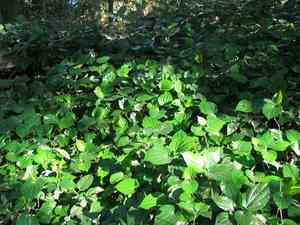
The most favorable period for transplanting wild pepper is in the revitalizing phase of early to mid-spring. Choose a shaded spot featuring soil that drains effectively. To facilitate a seamless adjustment, guarantee steady hydration and initial shielding from intense sunlight.
Essential Preparations Before Relocating Wild Pepper
Optimal Timing for Moving Wild Pepper?
The perfect time to move wild pepper is at the start of spring. This period, from early to mid-spring, offers mild temperatures and increasing daylight, which promotes root growth and minimizes transplant stress. Relocating wild pepper during this season leverages its natural growth cycle, ensuring a strong beginning in its new spot. Furthermore, the ample time before summer allows wild pepper to get established, maximizing the growing season for a lush, vibrant display.
Required Spacing Between Wild Pepper Plants?
When moving wild pepper, ensure adequate room for growth by placing each plant approximately 2-3 feet (60-90cm) apart. This spacing will facilitate healthy root development without competition.
Best Soil Mixture for Wild Pepper Relocation?
Wild pepper isn't overly particular about soil, but a well-draining mix enriched with compost or organic matter would be ideal. For an initial fertilizer, one high in nitrogen is suggested to encourage leaf development.
Where to Replant Your Wild Pepper?
Regarding placement, wild pepper thrives in partial to full sun. Aim for a spot where the plant receives at least 6 hours of sunlight daily. They can tolerate slightly shaded areas, so don't worry if it's not completely sunlit.
Equipment Needed Before Transplanting Wild Pepper
Gardening Gloves
To safeguard your hands while handling soil and wild pepper.
Gardening Trowel
Used to loosen the soil around wild pepper in its original location and to dig a hole in its new spot.
Spade
Helpful for lifting the plant while ensuring minimal damage to its root system.
Watering Can
Essential for hydrating wild pepper both before and after its relocation.
Bucket
Useful for transporting wild pepper from its initial site to the new one, especially over longer distances.
How to Extract Wild Pepper from the Soil?
How to Extract Wild Pepper from the Soil?
From Ground: First, water the wild pepper plant to saturate the soil. This will simplify prying the plant from the ground. Next, use a gardening trowel to dig a wide circle around the plant, ensuring the root ball remains intact. If wild pepper's roots extend deeper, use a spade to lift the plant.From Pot: Water the plant thoroughly and wait a few minutes. This will loosen the soil, making it easier to remove wild pepper from the pot. Invert the pot while holding your hand at the plant's base, allowing wild pepper to slide out with its soil and roots intact.From Seedling Tray: Water the wild pepper seedlings and gently separate each one. Use a spoon or small gardening tool to lift them out, taking care not to harm delicate roots.
Step-by-Step Guide for Relocating Wild Pepper
Preparation
Fill your bucket with water and place wild pepper in it immediately after removal from its original spot to maintain moisture.
Digging
Use your spade or gardening trowel to dig a hole in the new location. The hole should be twice as wide and the same depth as wild pepper's root ball.
Positioning
Carefully remove wild pepper from the bucket and place it in the hole, ensuring the top of the root ball is level with the ground surface.
Backfilling
Return the excavated soil to the hole. Make sure wild pepper is standing upright. Avoid pressing the soil too firmly; this can compact it and hinder root growth.
Watering
Once wild pepper is planted, thoroughly water the planting area using your watering can.
Post-Transplant Care for Wild Pepper
Watering
Water wild pepper regularly and keep the soil consistently moist to aid its establishment in the new location.
Pruning
To lessen transplant shock, you can trim off some older leaves from wild pepper. This will redirect the plant's energy towards developing new roots.
Mulching
Apply a layer of organic mulch around wild pepper. This will help retain moisture and suppress weeds. It also keeps the soil cool and provides nutrients as it breaks down.
Monitoring Growth
Observe wild pepper daily for any signs of stress, such as wilting or discolored leaves. If any signs appear, adjust care as needed.
Addressing Common Issues with Wild Pepper Relocation.
When is the best time to move wild pepper?
Ideally, wild pepper should be moved between Stage 1 and Stage 2 of its growing season. This ensures the plant can establish itself before more extreme weather conditions.
What spacing is recommended between wild pepper plants?
An optimal spacing of about 2-3 feet (60 to 91 cm) apart allows wild pepper plants to grow and spread without overcrowding.
Why is my relocated wild pepper wilting?
Wilting after transplanting might be due to transplant shock, especially if roots were damaged. Ensure gentle handling of roots during relocation and water immediately.
What is the best method to move wild pepper?
Dig a hole twice the size of the root ball, gently place wild pepper in, covering with soil up to where the stem changes color. Water generously after relocating.
Can wild pepper be moved into full sun?
Wild pepper can tolerate various light conditions. However, for optimal results, they should be planted in a location with filtered light or partial shade.
Why are the leaves of my relocated wild pepper turning yellow?
This could be due to overwatering or poor drainage. Check the soil and ensure it drains well. Adjust watering levels if necessary.
Can I move wild pepper in the winter?
Moving in winter is not advised as wild pepper prefers warmer weather. The plant may struggle to establish due to cold temperatures and shorter daylight hours.
Should I prune wild pepper before moving?
Yes, you should. Pruning helps reduce stress on wild pepper by limiting the amount it needs to support, helping it focus more on root establishment.
Should I fertilize wild pepper immediately after moving?
Wait a couple of weeks before fertilizing. Immediate fertilization can stress the plant, as its primary focus should be on establishing roots.
How often should I water wild pepper after moving?
Water wild pepper thoroughly after moving, and then water regularly (but not excessively) afterward. This helps the plant establish in its new location.



