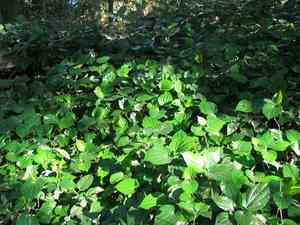
Wild pepper (Piper sarmentosum)
Also known as: Vietnamese Coriander, Lá Lốt, Wild Betel Leaf, Cha Plu
Wild pepper (Piper sarmentosum) is a perennial, creeping plant commonly found in the understory of tropical forests in eastern Asia, with a history dating back to ancient times. It prefers nutrient-rich, consistently moist soil to flourish. Under optimal conditions, it can spread extensively, reaching lengths of up to 10 meters. The plant thrives best in warm, humid climates with partial to full shade.
In This Article
Attributes of Wild pepper
Lifespan
Perennial
Plant Type
Herb, Vine
Plant Height
40 cm
Spread
30 cm to 60 cm
Leaf Color
Green Blue
Flower Size
2.5 cm
Flower Color
White
Images of Wild pepper
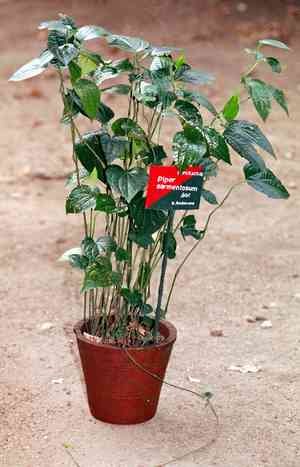
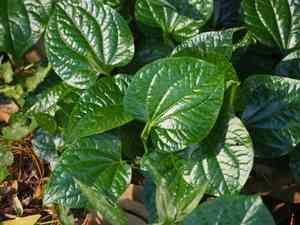
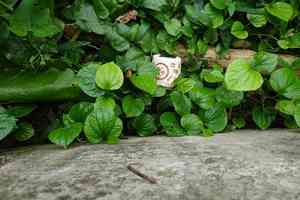
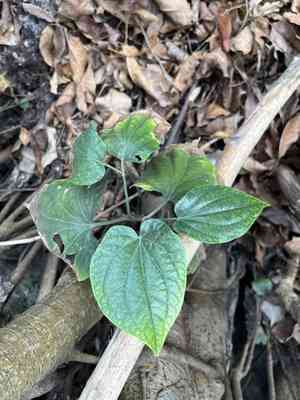
Quickly Identify Wild pepper
1
Piper sarmentosum can be identified by its heart-shaped leaves, glossy appearance, and distinctive peppery aroma. The leaves are typically green and grow on trailing vines.
Scientific Classification of Wild pepper
Phylum
Vascular plants
Class
Dicotyledons
Order
Pepper plants, birthworts, and allies
Family
Pepper
Genus
Pepper plants
Species
Wild pepper
Planting and Growing of Wild pepper
Care Difficulty
Easy
Watering Schedule
Every 8 days
Sunlight Requirements
Partial sun
Sunshine Duration
6-8 hours
Ideal Temperature
70-85℉
Soil Type
Potting Mix, Peat Mix
Soil pH
6.5-7.5
Fertilizer Type
Balanced
Pruning Season
Spring, Summer
Pruning Area
Branches, Leaves
Pruning Frequency
2 times a year
Repotting Season
Spring
Pot Type
Plastic, Ceramic
 How to Water Wild pepper?
When watering Piper sarmentosum, aim to soak the soil evenly but not to the point of waterlogging. The amount should be sufficient to moisten the entire root zone, typically around 200 milliliters per plant. Make sure the water penetrates deeply enough to reach all root areas, signaling healthy growth and minimal stress.
What are the symptoms of an underwatered Wild pepper?
›
What should I do if my Wild pepper is not getting enough water?
›
What are the symptoms of an overwatered Wild pepper?
›
How to save an overwatered Wild pepper?
›
 What Are the Sunlight Requirements for Wild pepper?
Piper sarmentosum prefers partial sun to full shade environments, which promotes lush growth and strong health. Adequate lighting ensures vibrant foliage and contributes to optimal photosynthesis and nutrient synthesis, supporting overall plant vitality.
More About Sunlight Requirements Techniques→
What is the best lighting condition for Piper sarmentosum?
›
How can I achieve the ideal lighting conditions for this plant?
›
What benefits does the correct lighting condition provide?
›
 What Is the Ideal Temperature Range for Wild pepper?
The ideal temperature range for Piper sarmentosum is between 70°F and 85°F. This tropical plant thrives in warm and humid conditions, emulating its native Southeast Asian climate. Maintaining this temperature range allows for optimal growth and development, ensuring the plant's leaves remain lush and vibrant.
 What Soil is Best for Wild pepper?
Piper sarmentosum thrives in well-drained soil, preventing water accumulation that can lead to root rot. This drainage helps the roots to breathe, ensuring healthy growth and robust foliage. A rich, organic soil composition is crucial for Piper sarmentosum. Abundant nutrients support the plant's vigorous growth and glossy leaves, making high-quality organic matter a must. While good drainage is important, moderate moisture retention in the soil helps keep Piper sarmentosum hydrated. This balance prevents over-drying while promoting consistent growth.
 How to Fertilize Wild pepper?
For Piper sarmentosum, a balanced approach to fertilization is crucial. Use a balanced liquid fertilizer at half the recommended strength. When using granular fertilizers, approximately 50 grams per square meter is sufficient. This amount carefully nourishes the plant without overwhelming its systems.
 How to Prune Wild pepper?
Before and after pruning, inspect the plant for any signs of pests. Removing affected parts can prevent infestations from spreading, but ensure your tools are sanitized to avoid cross-contamination. After a pruning session, limit watering slightly as the plant will have fewer leaves to transpire. This helps in preventing root rot and maintaining plant health.
More About Pruning Techniques→
 How to Propagate Wild pepper plant?
1
Choose non-flowering stems from a mature Piper sarmentosum plant to ensure successful propagation, as these have the best potential for developing roots.
2
Use clean pruning shears to cut below a node of the chosen stem, usually 3-6 inches in length, and remove the lower leaves to expose nodes that will develop roots.
3
Dip the cut end of the stem in rooting hormone and insert it into a well-draining potting mix, making sure the node is buried and the exposed leaves are above soil.
 How to Repot Wild pepper plant?
1
It's time to repot Piper sarmentosum when you notice its roots are starting to emerge through the drainage holes of the pot. This plant enjoys its space, and when cramped, it will show limited growth and less vibrant leaves. The best time to observe these signs is during early spring or summer, as these seasons support new root growth after repotting.
2
Select a pot that is merely one size larger than the current one. This ensures that the plant does not end up in overly large pots which can lead to waterlogging issues, potentially causing root rot. The pot should have adequate drainage holes, allowing excess water to escape and keeping the roots healthy and preventing diseases.
3
Opt for a rich, well-draining soil mix that mimics its natural habitat. A blend of garden soil, compost, and some sand or perlite can create the ideal environment. This mix provides sufficient nutrients necessary for growth while ensuring excess water does not accumulate at the roots, preventing waterlogging and promoting a robust structure.



