How to Transplant Betel?
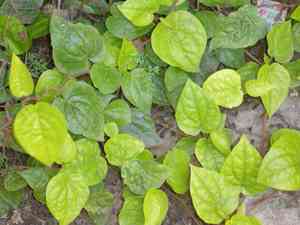
For betel, the peak of its cultivation period, frequently signaled by the mild temperatures of spring, presents a perfect opportunity for relocation, facilitating root development as daylight hours extend. When moving betel, choose a location that provides filtered light and soil that drains effectively, characteristics crucial for successful adaptation. A friendly tip: sufficient room accommodates betel's tendency to expand.
What Preparations are Needed Before Transplanting Betel?
What is the Ideal Time for Transplanting Betel?
The optimal period to relocate betel is in the spring, when mild temperatures and increasing daylight encourage vigorous development. Moving betel into the ground during this time leverages nature's signals for renewal, giving the plants a head start to establish before the summer heat. The gentle, yet warming conditions typical of this season provide an ideal mix of moisture and warmth, promoting strong root growth and reducing transplant shock, leading to a thriving and robust betel garden.
How Much Space Should You Leave Between Betel Plants?
To allow your betel ample room to expand, position them approximately 3-4 feet (0.9-1.2m) apart during relocation. This ensures they have sufficient area to spread without overcrowding.
What is the Best Soil Mix for Betel Transplanting?
Preparing the soil for betel involves a blend of loamy earth and a foundational fertilizer. This guarantees the soil is well-drained yet nutrient-rich. Compost or aged manure makes an excellent base fertilizer choice.
Where Should You Relocate Your Betel?
For optimal betel growth, select a spot that receives partial to full daily sunlight. However, avoid placing it under direct, intense sun exposure as this could harm the plant.
What Equipments Should You Prepare Before Transplantation Betel?
Gardening Gloves
To safeguard your hands while handling soil and the betel plant.
Shovel or Spade
Needed to excavate a hole at the new planting site and to extract the betel plant from its original spot.
Gardening Trowel
To carefully dig around and beneath the betel in containers or trays.
A Bucket or Wheelbarrow
To hold the removed plant and transport it to its new location.
Garden Fork
To loosen the soil at the new site before transplanting.
Watering Can
To irrigate betel after relocation and to moisten the soil prior to removal.
Mulch
To cover the ground around the plant post-transplantation, aiding in moisture retention and weed suppression.
How Do You Remove Betel from the Soil?
How Do You Remove Betel from the Soil?
From Ground: First, lightly water the betel plant to make the soil easier to manage. Use the shovel or spade to dig around the plant, ensuring a substantial amount of soil remains around the root ball. Carefully lift the plant, taking care not to break or damage the roots.From Pot: Begin by watering the betel plant to dampen the soil. Turn the pot on its side and gently tap or squeeze to dislodge the plant. Support the plant's base with your hand and carefully slide it out, keeping the root ball intact.From Seedling Tray: Water the seedlings beforehand to facilitate removal. Using the gardening trowel, carefully loosen the soil around the betel seedling. Lift it gently, preserving as much of the root system as possible.
Step-by-Step Guide for Transplanting Betel
Preparation
Use a garden fork to loosen the soil at the new planting location. Dig a hole that is twice as wide and as deep as the root ball of your betel plant.
Transplanting
Place the removed betel plant into the hole. Ensure the plant is at the same depth as it was in its previous spot. Fill the hole with soil, completely covering the roots but avoiding burying the stem's base.
Watering
After transplanting, water betel thoroughly using the watering can, ensuring the soil is moist but not waterlogged.
Mulching
Spread mulch around the base of the betel plant, but not touching the stem. This helps retain soil moisture and prevents weeds.
How Do You Care For Betel After Transplanting?
Consistent Watering
Continue to water betel regularly, ensuring the soil stays consistently moist but not saturated.
Protection
Install a garden stake or protective barrier around betel if local wildlife could harm the young plant.
Monitoring
Watch for potential disease or pest infestations. If betel leaves are yellowing or wilting, you might be overwatering.
Pruning
Remove any dead or diseased parts of the plant to encourage healthy growth.
Troubleshooting Common Issues with Betel Transplantation.
What is the best time of year to transplant betel?
The optimal period to transplant betel is during S1-S3 seasons. These times promote root development and plant growth, lessening transplant shock. Remember, timing is key!
How do I prepare the soil for betel transplantation?
Begin by enriching your soil with compost or well-rotted manure. This boosts the soil's nutrient content. Always ensure good drainage, as betel dislikes waterlogged conditions.
What's the ideal spacing when transplanting betel?
For optimal growth, maintain a comfortable distance of about 3-4 feet (approximately 1 meter) between each plant during relocation. This allows for adequate air and light penetration.
How do I minimize transplant shock in betel?
Reduce root disturbance during the transplanting process. Water thoroughly after relocation and keep the soil consistently moist for the initial few weeks. This aids recovery and new growth.
Does betel require any specific lighting conditions post-transplant?
Betel thrives in bright but indirect light. Direct sunlight can cause leaf scorch. Evaluate your garden's light conditions before choosing the new plant location.
Should I prune betel before transplanting?
Pruning is not necessary before transplanting. However, removing dead or diseased stems will help the plant direct energy towards new growth and recovery after relocation.
How deep should the planting hole be when transplanting betel?
Dig a hole twice as wide and as deep as the root ball. This provides ample space for roots to spread and firmly anchors the plant.
When to water betel after transplanting?
Immediately after transplanting, water betel thoroughly. This helps settle the soil around the roots. Afterward, maintain consistent moisture, being careful not to overwater or cause waterlogging.
Can I fertilize betel immediately after transplantation?
It's best to wait 2-3 weeks post-transplant before fertilizing betel. Starting with a high phosphorus, low nitrogen fertilizer supports root growth without encouraging premature shoot development.
How to care for betel after transplant?
Moisture management is crucial, but avoid waterlogging. Provide bright, indirect light and watch for pests or diseases. Prune as needed to maintain plant health.



