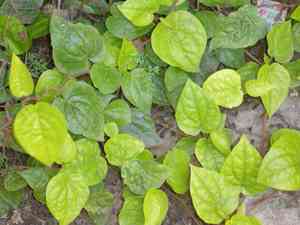
Betel (Piper betle)
Also known as: Betel vine
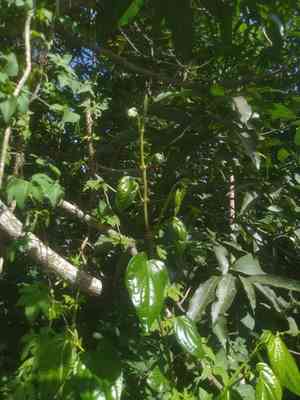
The betel leaf plant (Piper betle) produces shiny, heart-shaped leaves and features a yellow-white catkin. In various parts of Southern and Southeast Asia, these leaves are traditionally presented to friends and guests to show respect and symbolize good fortune and auspicious starts.
In This Article
Attributes of Betel
Lifespan
Perennial
Plant Type
Shrub
Plant Height
91 cm
Spread
Varies, not often referred to in terms of crown diameter
Leaf Color
Green
Flower Size
1 cm
Flower Color
White
Images of Betel
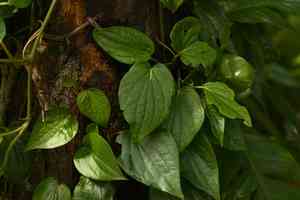
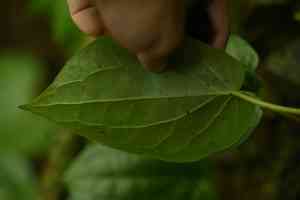
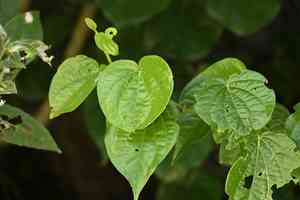
Quickly Identify Betel
1
Identify Piper betle by its heart-shaped, glossy leaves which emit a distinct aromatic scent when crushed. The plant usually has thin, green stems that can climb with the help of tendrils.
Scientific Classification of Betel
Phylum
Vascular plants
Class
Dicotyledons
Order
Piperales
Family
Pepper
Genus
Pepper plants
Species
Betel
Planting and Growing of Betel
Care Difficulty
Moderate
Watering Schedule
Every 4 days
Sunlight Requirements
Partial sun
Sunshine Duration
6-12 hours
Ideal Temperature
68-86℉
Soil Type
Potting Mix, Peat Mix
Soil pH
6.5-7.5
Fertilizer Type
Balanced
Pruning Season
Spring, Summer
Pruning Area
Branches, Leaves
Pruning Frequency
2 times a year
Repotting Season
Spring
Pot Type
Plastic, Ceramic
 How to Water Betel?
For Piper betle, the key is to keep the soil consistently moist but never waterlogged. Watering should be thorough, ensuring the water reaches the root zone. This allows the roots to access moisture before it drains away. Use around 200 ml each watering session to adequately soak the potting mix without causing excess runoff.
What are the symptoms of an underwatered Betel?
›
What should I do if my Betel is not getting enough water?
›
What are the symptoms of an overwatered Betel?
›
How to save an overwatered Betel?
›
 What Are the Sunlight Requirements for Betel?
Partial sunlight exposure is ideal for Piper betle, mimicking natural forest conditions. Proper lighting results in vibrant foliage, robust growth, and enhanced aromatic properties of the leaves, crucial for its traditional applications.
More About Sunlight Requirements Techniques→
How much light does Piper betle need?
›
What solutions ensure ideal lighting for Piper betle?
›
Why is ideal lighting crucial for Piper betle?
›
 What Is the Ideal Temperature Range for Betel?
For Piper betle, the optimal growth temperature range is between 68°F and 86°F. This range is favorable because it mimics the plant's natural tropical habitat, providing sufficient warmth and humidity that promotes healthy growth and vibrant leaves. Maintaining this temperature helps in enhancing photosynthesis and nutrient uptake, thus ensuring that the plant thrives.
 What Soil is Best for Betel?
Piper betle thrives best in soil that is rich in organic matter and nutrients, as this supports robust growth and vibrant leaf development. A nutrient-rich soil ensures a steady supply of essential elements, directly benefiting the plant's overall health and productivity. Well-drained soil is crucial to prevent waterlogging around the roots of Piper betle. Excessive moisture can lead to root rot, so soil with excellent drainage maintains optimal root health and reduces the risk of fungal diseases. While good drainage is necessary, Piper betle also appreciates soil that retains enough moisture to keep roots consistently hydrated during dry spells. This balanced moisture retention helps sustain the plant during periods of drought and promotes continuous growth.
 How to Fertilize Betel?
For Piper betle, the amount of fertilizer to be applied should be moderate. Over-application can damage its roots, while under-fertilization can inhibit growth. Use approximately 20-30 grams of balanced fertilizer per plant per application for optimal results.
 How to Prune Betel?
Begin by ensuring your pruning tools are sterilized to prevent the spread of diseases. Target dead or diseased branches first, cutting them back to the base of the stem. Next, look for overgrown stems and prune them back to your desired length, making clean cuts just above a node to stimulate new growth. Pay attention to any branches that cross over or crowd the plant, trimming them to maintain an open structure.
More About Pruning Techniques→
 How to Propagate Betel plant?
1
When propagating Piper betle by cutting, choose healthy stems that are approximately 6-8 inches long. Ensure the stems are free from disease and have a few leaves on them. It is important to make the cut just below a node.
2
After selecting the cuttings, remove the lowest leaves to expose the nodes, which is where the roots will form. Dip the cut end into a rooting hormone to stimulate root growth.
3
Plant the prepared cuttings into a potting mix that retains moisture well. Firm the soil around the base of the cutting for support and water thoroughly. It’s crucial to keep the soil consistently moist but not waterlogged to encourage root development.
 How to Repot Betel plant?
1
Piper betle should be repotted when you notice the roots taking over the pot or coming out from the drainage holes. Another indicator is when the plant's growth seems stunted despite proper care. Spring and summer are optimal seasons as the plant is actively growing and can better recover from the disturbance.
2
Select a pot that is only one size larger than the current one. This ensures the plant has enough space to grow but not too much that it retains excess moisture, which could lead to root rot. A pot with drainage holes is essential to prevent waterlogging, promoting healthy root development.
3
Opt for a well-draining potting mix, ideally a mixture that maintains moisture yet allows excess water to escape easily. Such soil helps prevent root rot by ensuring that the roots are not sitting in water while providing the necessary aeration for the plant to thrive.
Toxicity
Ingestion
WARNING
The judgment on toxicity and danger is for reference only. We DO NOT GUARANTEE any accuracy of such judgment. Therefore, you SHALL NOT rely on such judgment. It is IMPORTANT TO SEEK PROFESSIONAL ADVICE in advance when necessary.
Learn More About Betel Diseases
Anthracnose
Bacterial Leaf Spot
Bacterial Soft Rot
Bacterial Wilt
Black Spot
Chemical Injury
Damping-off
Downy Mildew
Drought Stress
Fusarium Wilt
Gray Mold
Leaf Curl
Leaf Spot
Mosaic
Nutrient Deficiency
Nutrient Toxicity
Powdery Mildew
Root Rot
Root-knot Nematode
Sooty Mold
Spider Mites
Temperature Stress
Thrips Damage
White Mold



