How to Transplant Himalayan pine?
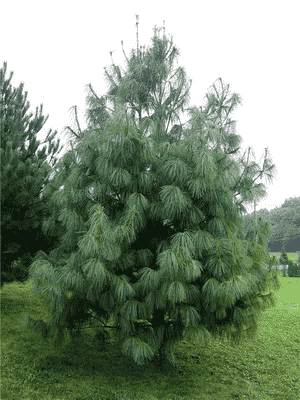
The emerging warmth of the months following winter offers an ideal period for relocating himalayan pine, fostering vigorous development. Choose a spot that receives ample sunlight and possesses soil with good drainage. Providing firm support will aid himalayan pine as it establishes itself in its new environment.
What Preparations are Needed Before Transplanting Himalayan Pine?
What is the Ideal Time for Transplanting Himalayan Pine?
The arrival of spring's gentle warmth offers an excellent period to relocate himalayan pine, as the ground softens and roots become active. Moving himalayan pine during this season allows it to settle in prior to summer's heat. A helpful tip: this is when himalayan pine can comfortably extend its roots, ensuring a strong beginning. Embrace this time for a garden enriched by himalayan pine's elegance!
How Much Space Should You Leave Between Himalayan Pine Plants?
When relocating himalayan pine, ensure each plant has ample room to expand. An optimal spacing is approximately 6-8 feet (1.8-2.4 meters) apart. This guarantees that every plant possesses sufficient area for healthy and beautiful development.
What is the Best Soil Mix for Himalayan Pine Transplanting?
For himalayan pine, it's best to utilize well-draining soil enriched with organic matter, such as compost or aged manure. Incorporating a slow-release granular fertilizer initially aids in nourishing the plant. Please handle the roots gently during the transplanting process.
Where Should You Relocate Your Himalayan Pine?
Note that himalayan pine thrives in abundant sunlight! Therefore, select a new location for transplanting where it can receive full sun or at least partial sun daily. Remember, a bit of foresight can significantly benefit the plant's growth.
What Equipments Should You Prepare Before Transplantation Himalayan Pine?
Shovel or Spade
These tools are necessary to excavate a hole for himalayan pine and to loosen its root ball from its current spot.
Gardening Gloves
To safeguard your hands while working with the soil and the plant.
Pruning Shears
You might need to trim off damaged or excessively long roots from himalayan pine before its relocation.
Watering Can
To hydrate himalayan pine both at its original site before removal and in its new location after transplanting.
Wheelbarrow
Recommended for transport if the plant is large, to prevent damage to the root ball during the move.
How Do You Remove Himalayan Pine from the Soil?
How Do You Remove Himalayan Pine from the Soil?
From ground: Start by watering the himalayan pine plant to moisten the soil, making excavation easier and reducing plant stress. Next, dig around the plant using a shovel or spade, taking care to maintain a generous distance from the plant's base to avoid cutting into the root ball. Once the perimeter is adequately dug, gently slide the shovel beneath the root ball to lift the plant from its original position. If the plant is large, assistance may be required for this step.From pot: Before extracting himalayan pine from its container, water it thoroughly to help keep the root ball intact. Then, tilt the pot sideways, and while supporting the plant at its base, carefully pull the plant and root ball from the pot. If the plant is stuck, tap the sides of the pot to loosen it.From seedling tray: Water the tray of himalayan pine prior to removal. Gently lift the plant from its cell by pinching the bottom of the cell while supporting the plantâs stem with your other hand. Avoid pulling the plant by its stem or leaves, which could cause harm.
Step-by-Step Guide for Transplanting Himalayan Pine
Digging the Hole
Excavate a hole in the new planting site that is twice the width and slightly shallower than the himalayan pine's root ball. This encourages roots to spread and establish themselves.
Placing himalayan pine
Position himalayan pine in the hole, ensuring the top of the root ball is level with the soil surface. It's preferable to plant it a little high rather than too deep.
Adding the Soil
Backfill the hole with loose soil, gently firming it around the plant's base. Avoid over-compacting the soil as this could hinder water absorption.
Watering
Thoroughly water himalayan pine at its base, making sure the soil settles around the root ball. Avoid excessive watering as soggy soil can lead to root rot.
How Do You Care For Himalayan Pine After Transplanting?
Checking Moisture levels
The soil should remain consistently damp for the initial few weeks. Check daily by inserting your finger about an inch into the ground near himalayan pine; if it's dry, provide water.
Fertilizer
Do not apply fertilizer immediately after transplanting as this could potentially harm the plant's roots; instead, wait at least one month until himalayan pine begins to show new growth. Use a balanced slow-release fertilizer to encourage root development.
Protection
Shield himalayan pine from harsh weather conditions, such as strong winds or heavy rain, during the first few weeks post-transplant as it settles. Consider using a plant stake or providing a temporary screen if necessary.
Troubleshooting Common Issues with Himalayan Pine Transplantation.
When is the best time to transplant himalayan pine?
Himalayan pine should ideally be moved during its dormant period, S1. This provides ample time for establishment before active growth phases.
How much space should I allow between himalayan pine saplings during transplantation?
Allow a generous 6-8 feet (1.8-2.4 meters) between each himalayan pine tree. This ensures they have sufficient room to extend their branches.
How deep should I plant himalayan pine during transplantation?
Himalayan pine should be planted at the same soil depth as it was in its previous environment. Ensure the top of the root ball is flush with the ground surface.
How do I angle himalayan pine during transplantation?
Plant himalayan pine upright. They are naturally straight-growing trees, so maintain their vertical orientation. Use a stake for support if needed.
What type of soil is best for transplanting himalayan pine?
Himalayan pine prefers well-drained, even sandy, soil. Ensure the soil is not waterlogged, as this can cause root decay.
How should I water himalayan pine after transplanting?
Water himalayan pine thoroughly after transplanting, ensuring deep saturation. Then, maintain a regular watering schedule, without over-saturating, to promote healthy growth.
Do I need to prune himalayan pine during transplantation?
Generally, pruning is not required during relocation. However, you may remove damaged or diseased branches to encourage healthy development.
Should I use fertilizer during himalayan pine transplantation?
Fertilizer is not necessary at the time of transplanting. However, a slow-release, well-balanced fertilizer can be applied a few weeks after transplanting, once root development commences.
How do I manage pests and diseases after transplanting himalayan pine?
Regularly inspect himalayan pine for signs of pests and diseases. If detected, employ appropriate treatment methods, including eco-friendly pesticides and removal of infected branches.
How do I ensure himalayan pine thrives post-transplant?
Consistently water himalayan pine, monitor for pest infestations, apply mulch around the base to retain moisture, use a balanced fertilizer, and provide adequate spacing.



