How to Transplant Siberian stone pine?
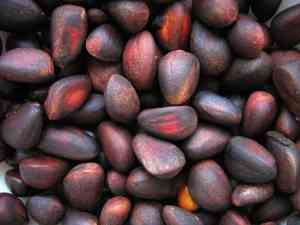
For Pinus sibirica, the ideal period for root development spans from the onset of early spring to the peak of late spring. Select a site that provides ample sunlight to moderate shade and soil with good drainage. A gentle, progressive adjustment after transplanting contributes to successful growth.
What Preparations are Needed Before Transplanting Siberian Stone Pine?
What is the Ideal Time for Transplanting Siberian Stone Pine?
The perfect time for moving siberian stone pine is from early spring's onset until summer's approach. This period allows siberian stone pine to establish its root system before winter's challenges. During these months, soil moisture and temperature are optimal for root development, crucial for siberian stone pine's post-transplant recovery and growth. Placing siberian stone pine in its new location during mild weather promotes strong health and eases its adjustment.
How Much Space Should You Leave Between Siberian Stone Pine Plants?
When arranging your siberian stone pine, aim for a generous 15-20 feet (4.5-6 meters) of separation. This provides ample room for growth, preventing overcrowding and competition for resources.
What is the Best Soil Mix for Siberian Stone Pine Transplanting?
Prepare a well-draining soil enriched with compost to nourish your siberian stone pine. Before planting, fortify the site with a balanced, slow-release fertilizer to give your young tree a robust start.
Where Should You Relocate Your Siberian Stone Pine?
Select a sunny location that receives at least 6 hours of direct sunlight for your siberian stone pine. This will support its development, ensuring it flourishes and becomes a beautiful feature in your area.
What Equipments Should You Prepare Before Transplantation Siberian Stone Pine?
Gardening Gloves
To safeguard your hands while handling soil and plants.
Shovel or Spade
For excavating the plant from its current spot and creating a new hole at the transplant site.
Wheelbarrow or Tarp
To move the plant and soil cleanly and efficiently.
Pruning Shears
To trim any damaged or excessively long roots prior to transplanting.
Watering Can or Hose
To ensure the soil remains hydrated during and after the transplant process.
Root Stimulator (optional)
To encourage new root growth in its new environment.
Mulch
To help maintain soil moisture and regulate temperature around the root zone after planting.
How Do You Remove Siberian Stone Pine from the Soil?
How Do You Remove Siberian Stone Pine from the Soil?
From Ground: Hydrate the siberian stone pine to moisten the soil, making it easier to manage. Using a shovel, dig a wide circle around the plant, maintaining a safe distance to protect the root system. Carefully lift the plant from the ground, being mindful of its root ball.From Pot: Saturate the soil in the pot to facilitate root ball removal. Incline the pot sideways and tap its sides to dislodge the siberian stone pine. Gently ease the plant out, supporting the root ball.From Seedling Tray: Water the seedlings in the tray before attempting removal to minimize root damage. Use a small trowel or your fingers to carefully lift the seedling, ensuring a good amount of soil remains attached to the roots.
Step-by-Step Guide for Transplanting Siberian Stone Pine
Digging the Hole
Excavate a hole twice the width of the siberian stone pine's root ball but no deeper than its height. This provides ample space for roots to spread without being too deep, which can lead to settling.
Preparing the siberian stone pine
Inspect the root ball and trim any damaged or excessively long roots to promote new growth. If the roots are circling, gently untangle them without causing significant harm.
Placing the siberian stone pine
Carefully position the siberian stone pine in the hole, ensuring it is level with the ground and upright. Avoid planting too deeply to prevent stem rot.
Filling the Hole
Backfill the hole with the removed soil. Lightly compact the soil around the siberian stone pine to eliminate air pockets and ensure good contact between soil and roots.
Watering
Immediately water the siberian stone pine thoroughly to help settle the soil and provide essential moisture. A root stimulator can be added to the water at this stage to encourage root development.
Mulching
Apply a 2-3 inch layer of mulch around the base of siberian stone pine, keeping it a few inches away from the trunk to prevent rot and deter pests.
How Do You Care For Siberian Stone Pine After Transplanting?
Watering
Maintain consistent soil moisture around the siberian stone pine, avoiding waterlogging, throughout its first growing season to ensure proper establishment.
Pruning
Avoid heavy pruning after transplanting to prevent stressing siberian stone pine. Only remove dead or damaged branches.
Monitoring
Regularly check the siberian stone pine for signs of distress, such as drooping leaves or stunted growth, to address any issues promptly.
Staking
If the siberian stone pine is tall and susceptible to wind, consider providing support with stakes. Ensure the stakes do not harm the root ball or the trunk.
Troubleshooting Common Issues with Siberian Stone Pine Transplantation.
When is the best time to transplant siberian stone pine?
The ideal time for transplanting siberian stone pine is during the cool period of early to late spring, avoiding summer's heat.
How much space does siberian stone pine need when transplanting?
Space siberian stone pine saplings 15-20 feet (4.5-6 meters) apart to allow for ample growth and proper development.
What's the optimal depth for transplanting siberian stone pine?
The root ball of siberian stone pine should be planted at the same depth it was originally growing.
Why is my transplanted siberian stone pine showing signs of wilt?
Wilting may indicate shock. Ensure adequate watering and avoid disturbing roots during the transplant process.
How can I tell if siberian stone pine is properly hydrated post-transplant?
The soil should be moist but not saturated. Check the moisture level a few inches below the surface.
What should I do if siberian stone pine has transplant shock?
Minimize stress with consistent watering and be patient, as siberian stone pine may require time to recover.
Can siberian stone pine be transplanted in containers?
Absolutely! Ensure the container is sufficiently large and has proper drainage for root development.
Is pruning necessary when transplanting siberian stone pine?
Light pruning can help reduce transplant shock, but avoid extensive trimming to maintain its health.
How do I prep the soil for transplanting siberian stone pine?
Mix compost with native soil to enhance drainage and nutrient content before transplanting siberian stone pine.
What's the risk of transplanting siberian stone pine in hot weather?
High temperatures increase stress and water loss, potentially leading to shock. Stick to cooler spring transplanting.



