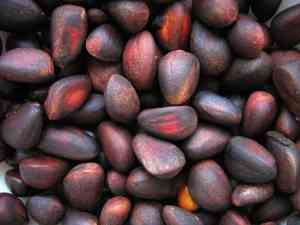
Siberian stone pine(Pinus sibirica)

Siberian stone pine (Pinus sibirica)

Also known as: Siberian cedrus

The Siberian stone pine (Pinus sibirica) is a notable long-living tree, with some individuals exceeding 800 years. This tree is significant in various sectors:

1. **Wood and Construction**: Its wood is prized for its strength and aesthetic appeal, making it ideal for furniture, building materials, and even musical instruments.
2. **Pine Nuts**: The seeds are harvested for consumption and are also processed to extract nutritious oil, popular in culinary uses.
3. **Traditional and Modern Medicine**: Components of the tree, including pine nuts, are utilized in traditional remedies and health supplements.
4. **Cosmetics**: Pine nut oil is valued in the beauty industry for its hydrating properties, used in skincare and haircare products.
5. **Environmental Applications**: The tree is planted for reforestation, as windbreaks, and in landscape design due to its resilience and visual appeal.
6. **Resin Products**: Its resin is harvested for producing turpentine and other industrial products.

These varied applications underscore the ecological and economic significance of the Siberian stone pine.

Attributes of Siberian stone pine

Lifespan
Perennial
Plant Type
Tree
Plant Height
40 m
Spread
12 m
Leaf Color
Dark green
Flower Size
N/A
Flower Color
Yellow Green Brown

ForwardPlant - Identify plants with a snap

Identify and diagnose plants, get toxicity alerts, and explore safety guides for all types of fungi.

Try for Free

Images of Siberian stone pine

Siberian stone pine(Pinus sibirica)

Quickly Identify Siberian stone pine

1
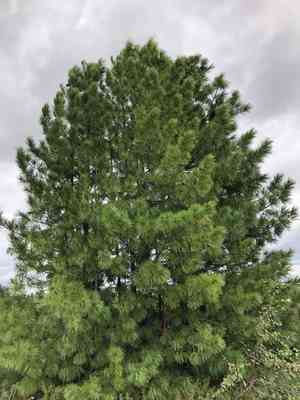
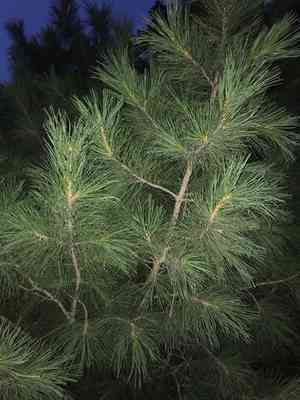
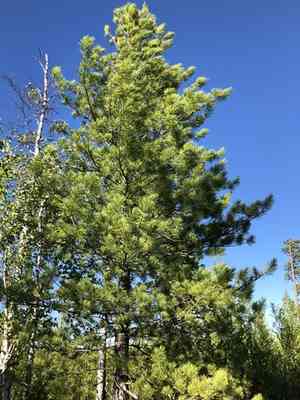
Pinus sibirica can be identified by its long, thin needles which are grouped in fives, and its large, oval-shaped cones which contain edible seeds. Its bark is typically thick and rough, helping to protect it from extreme cold and occasionally fire.

Scientific Classification of Siberian stone pine

Phylum
Vascular plants
Class
Conifers
Order
Pinales
Family
Pine
Genus
Pines
Species
Siberian stone pine

Planting and Growing of Siberian stone pine

Care Difficulty
Easy
Watering Schedule
Every 2 days
Sunlight Requirements
Full sun
Sunshine Duration
4-8 hours
Ideal Temperature
50-65℉
Soil Type
Potting Mix, Peat Mix
Soil pH
5-7
Fertilizer Type
Balanced
Pruning Season
Spring, Summer
Pruning Area
Branches, Leaves
Pruning Frequency
2 times a year
Repotting Season
Spring
Pot Type
Plastic, Ceramic

water icon How to Water Siberian stone pine?

Pinus sibirica, or Siberian pine, thrives with moderate watering. The amount should ensure the soil is consistently moist but never waterlogged. Generally, 500 ml of water per session is a good starting point. Always adjust according to the soil's moisture level and environmental conditions.
What are the symptoms of an underwatered Siberian stone pine?
What should I do if my Siberian stone pine is not getting enough water?
What are the symptoms of an overwatered Siberian stone pine?
How to save an overwatered Siberian stone pine?

sunlight icon What Are the Sunlight Requirements for Siberian stone pine?

Sunlight Requirements: Full sun, Partial sun
Duration of light: 6 to 8 hours
Pinus sibirica flourishes best in full or partial sun, ideally exposed for 6 to 8 hours daily. Adequate sunlight enhances its growth, coloration, and cone production.
What is the ideal sunlight exposure for Pinus sibirica?
How to achieve ideal lighting for this tree?
What benefits arise from optimal sunlight?

temperature icon What Is the Ideal Temperature Range for Siberian stone pine?

Ideal Temperature: 50 ~ 65℉
The ideal temperature range for Pinus sibirica, commonly known as Siberian Pine, is between 50°F to 65°F. This temperature range provides optimal conditions for growth, ensuring that metabolic processes occur efficiently. In this range, the plant can photosynthesize effectively, which promotes healthy development and resistance to disease.

soil icon What Soil is Best for Siberian stone pine?

Soil type: Sandy loam, Loam, Acidic soil
Soil PH: 5 ~ 7
Pinus sibirica thrives in well-drained soils that prevent waterlogging, which can lead to root rot. Providing such soil enables robust root development, essential for nutrient uptake and stability. This tree requires soil that retains moisture without becoming soggy. Adequate moisture helps in nutrient absorption and supports photosynthesis, fostering healthy growth. A nutrient-rich substrate ensures that Pinus sibirica receives essential nutrients like nitrogen and phosphorus. This enhances foliage density and overall tree vigor.

fertilize icon How to Fertilize Siberian stone pine?

Fertilizer type: Balanced
For Pinus sibirica, it is essential to apply a balanced amount of fertilizer, providing approximately 1 ounce of granular fertilizer per square foot. Ensure that you distribute the fertilizer evenly across the root zone to avoid nutrient imbalances.

prune icon How to Prune Siberian stone pine?

Pruning Time: Spring, Summer
To prune Pinus sibirica, use sharp, clean pruning shears or saws. Proper tools ensure clean cuts, reducing the risk of disease and damage to the plant's tissue. Ensure tools are suitable for the size of the branches being pruned for efficient handling. Start by identifying dead or diseased branches. Carefully cut them back to the point of healthy growth. Removing these branches prevents the spread of disease and allows the tree to allocate resources to healthy parts, promoting overall vitality. Thinning out overgrown areas helps improve air movement within the canopy. This is especially important for preventing fungal diseases. Prune selectively to ensure sunlight penetrates the lower branches, fostering a balanced growth structure. More About Pruning Techniques

propagate icon How to Propagate Siberian stone pine plant?

Propagate Time: Spring, Early autumn
1
Gather seeds from mature cones of Pinus sibirica during late summer to early autumn. Ensure they are cleaned and stored in a dry, cool place to maintain viability until planting in spring or early autumn.
2
Sow seeds in a well-prepared seed tray with a mix of sand and peat, and stratify them by exposing them to cold conditions for up to 90 days, mimicking their natural winter period, to break dormancy.
3
Select vigorous rootstock and a healthy scion from the desired variety. Use a grafting knife to make precise cuts on both, and join them securely. Utilize grafting tape to hold them together for successful fusion.
More About Propagating Techniques

repot icon How to Repot Siberian stone pine plant?

Repotting frequency: Every 3-4 years
1
If you notice the roots of your Pinus sibirica growing through the drainage holes or the soil drying out too quickly, it’s time to consider repotting. Typically, repotting is best done in early spring or autumn, allowing the tree to settle into its new environment without the stress of extreme temperatures.
2
Select a pot that is about 10-20% larger than the original one and ensures good drainage. Choosing a pot with multiple drainage holes helps prevent waterlogging, which can lead to root rot. The material should be sturdy yet breathable to accommodate the roots' growth efficiently.
3
Opt for a well-draining soil mix rich in sand and other granules. This helps prevent root rot by ensuring excess water drains away efficiently. A mix designed for conifers or pines works exceptionally well, maintaining the right balance of moisture retention and drainage.

ForwardPlant - Identify plants with a snap

Find the best spots for them to optimize their health, simply using your phone.

Try for Free