How to Transplant Korean spruce?
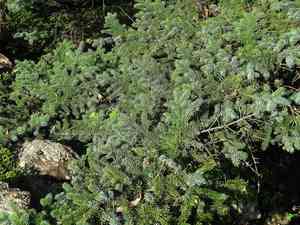
Korean spruce flourishes when relocated from the end of spring to the beginning of autumn, owing to consistent temperatures. Select a site featuring soil that drains effectively and offers partial shade. Guarantee consistent irrigation after transplanting to ensure successful rooting.
What Preparations are Needed Before Transplanting Korean Spruce?
What is the Ideal Time for Transplanting Korean Spruce?
The best time to move korean spruce, a perennial, is from the beginning to the end of summer. This timing allows the plant to establish its root system before winter arrives, ensuring vigorous development in the subsequent spring. Transplanting during this period reduces stress and maximizes adaptation, leading to a healthier, more resilient plant.
How Much Space Should You Leave Between Korean Spruce Plants?
Ensure each korean spruce is positioned approximately 12-15 feet (3.7-4.6 meters) apart. This spacing provides ample room for each plant to grow and thrive properly.
What is the Best Soil Mix for Korean Spruce Transplanting?
For korean spruce, prepare soil that drains well and is acidic. Incorporate compost to enhance nutrient content. A balanced, slow-release fertilizer can provide an excellent start.
Where Should You Relocate Your Korean Spruce?
Choose a spot that receives full sun to partial shade, ideally getting at least 6 hours of sunlight daily. This ensures korean spruce obtains the necessary energy to flourish.
What Equipments Should You Prepare Before Transplantation Korean Spruce?
Gardening Gloves
To safeguard your hands while handling soil and plants.
Shovel or Spade
For excavating around the plant and preparing the new site's hole.
Wheelbarrow
To move the plant if necessary.
Trowel
For more precise digging and careful handling of soil near the plant.
Watering Can or Hose
For hydrating the plant and maintaining soil moisture.
Pruning Shears
To trim any damaged roots or branches.
Mulch
To help retain moisture and regulate soil temperature around the plant's base.
How Do You Remove Korean Spruce from the Soil?
How Do You Remove Korean Spruce from the Soil?
From Ground: First, hydrate the korean spruce plant to moisten the soil. Next, dig a wide trench around the plant using a shovel or spade, making sure the plant's root ball stays intact. Carefully work the spade beneath the root ball to lift the plant from its original spot.From Pot: Gently water the korean spruce plant to make the soil easier to manage. Carefully tilt the pot sideways and tap its edges to loosen the soil. Slide the plant out, supporting the root ball with your hand.From Seedling Tray: Water the seedlings thoroughly. Use a trowel or spoon to gently lift the seedlings from the tray, taking care to support the roots and keep as much soil as possible attached.
Step-by-Step Guide for Transplanting Korean Spruce
Site Preparation
Select and prepare the new location by digging a hole twice as wide as the root ball of your korean spruce. The hole should be deep enough to accommodate the root ball without being too shallow or too deep.
Amend and Test Soil
Ensure the soil drains well and amend it if needed. Mix in compost or organic matter to provide nutrients.
Place the Plant
Carefully position the korean spruce in its new spot. Make sure the top of the root ball is level with the surrounding soil. Backfill the hole with soil, gently tamping it down to remove air pockets.
Water Thoroughly
Water the plant deeply to help settle the soil and reduce transplant shock. Ensure the soil is moist but not waterlogged.
Mulch
Apply a 2-4 inch layer of mulch around the base of the plant. This helps retain moisture and moderates soil temperature.
How Do You Care For Korean Spruce After Transplanting?
Watering
Keep the soil around the korean spruce consistently moist, but not saturated, for the initial weeks post-transplant to aid in root establishment.
Mulching
Ensure the mulch layer remains approximately 2-4 inches thick. Keep the mulch a few inches away from the trunk's base to prevent rot.
Monitoring
Observe the plant for any indications of transplant shock, such as wilting or yellowing leaves. If necessary, provide additional water and shade.
Pruning
If there are any damaged or broken branches, trim them to encourage healthy growth.
Troubleshooting Common Issues with Korean Spruce Transplantation.
What is the best time to transplant korean spruce?
Early to late summer is optimal for relocating korean spruce.
How should I prepare the soil?
Ensure well-drained, loamy soil enriched with compost, maintaining a pH of 6.0-7.5.
How much space needs to be between korean spruce plants?
Space korean spruce plants 12-15 feet (3.6-4.6 meters) apart for optimal development.
How deep should I dig the hole?
Excavate a hole twice the width and the same depth as the root ball.
How do I minimize transplant shock?
Water thoroughly before and after transplanting, and add a root stimulator to alleviate stress.
What is the best way to water after transplanting?
Water deeply immediately after transplanting and maintain consistent moisture for the initial few weeks.
Should I prune korean spruce before transplanting?
Only trim dead or damaged branches to minimize stress and promote healthy growth.
What should be done if roots are damaged during transplant?
Cleanly trim any damaged roots and ensure the plant is well-watered to aid recovery.
How can I protect korean spruce from pests after transplanting?
Inspect regularly and use neem oil or suitable pesticides to control pests.
When should I fertilize korean spruce after transplanting?
Wait at least six weeks before fertilizing to allow korean spruce to establish its roots.



