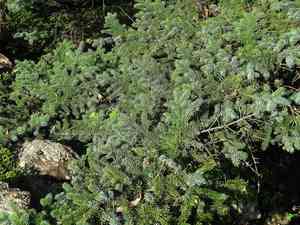
Korean spruce (Picea koraiensis)
Also known as: Korean Spruce
The Korean spruce (Picea koraiensis) is a coniferous tree recognized for its graceful pyramidal form and dense foliage. It features glossy, dark green needles and unique cones that start with a purplish tint and turn brown as they mature. These characteristics not only boost its aesthetic value but also demonstrate its suitability for cooler environments. Thriving best in well-drained soils, the Korean spruce embodies durability, flourishing in the rugged landscapes of Korea.
In This Article
Attributes of Korean spruce
Lifespan
Perennial
Plant Type
Tree
Plant Height
15 to 25 meters
Spread
4 to 7 meters
Leaf Color
Bluish-green
Flower Size
Not applicable
Flower Color
Not applicable
Images of Korean spruce
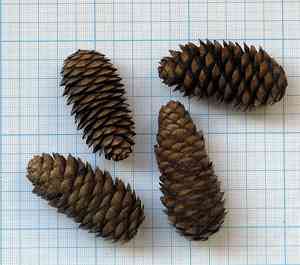
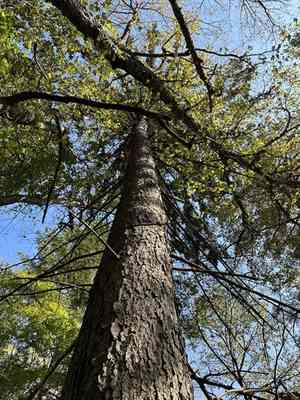
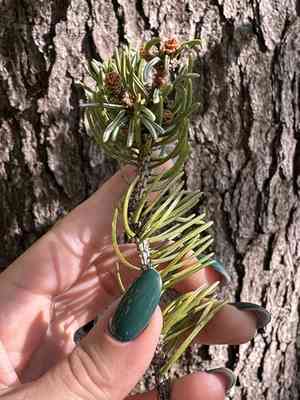
Quickly Identify Korean spruce
1
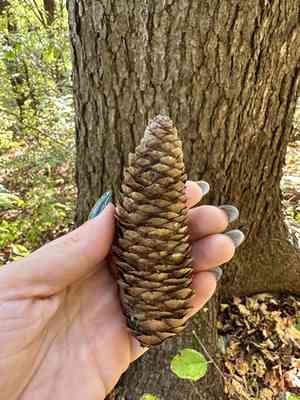
Identify Korean Spruce by its needle-like leaves that are 15–20 mm long, bluish-green on the top with two blue-white stomatal bands beneath. The cones are cylindrical, 5-9 cm long, initially green or purple, maturing to brown.
Scientific Classification of Korean spruce
Phylum
Vascular plants
Class
Conifers
Order
Pines and allies
Family
Pine
Genus
Spruces
Species
Korean spruce
Planting and Growing of Korean spruce
Care Difficulty
Easy
Watering Schedule
Every 2 days
Sunlight Requirements
Full sun
Sunshine Duration
6-8 hours
Ideal Temperature
32-68℉
Soil Type
Potting Mix, Peat Mix
Soil pH
6.5-7.5
Fertilizer Type
Balanced
Pruning Season
Spring, Summer
Pruning Area
Branches, Leaves
Pruning Frequency
2 times a year
Repotting Season
Spring
Pot Type
Plastic, Ceramic
 How to Water Korean spruce?
For Picea koraiensis, it is essential to ensure that the soil remains consistently moist without becoming waterlogged. The ideal amount is around 500 milliliters per watering session, enough to moisten the soil evenly and reach the root level without excess dripping out of the pot.
What are the symptoms of an underwatered Korean spruce?
›
What should I do if my Korean spruce is not getting enough water?
›
What are the symptoms of an overwatered Korean spruce?
›
How to save an overwatered Korean spruce?
›
 What Are the Sunlight Requirements for Korean spruce?
This plant thrives best in partial to full sunlight, benefiting from 6 to 8 hours of light daily. Such conditions enhance photosynthesis, leading to lush, dense growth and improved environmental adaptation.
Solution
›
Method
›
Benefits
›
 What Is the Ideal Temperature Range for Korean spruce?
Picea koraiensis thrives best within a temperature range of 32°F to 68°F. Maintaining these temperatures ensures healthy growth, as the tree can photosynthesize efficiently without the risk of heat stress or frost damage. Avoiding extremes in this range will promote robust development.
 What Soil is Best for Korean spruce?
Picea koraiensis thrives in well-draining soil that prevents waterlogging. Excess water can suffocate the roots, so ensuring good drainage helps the plant absorb necessary nutrients and promotes healthy growth. A nutrient-rich soil composition benefits Picea koraiensis by providing essential minerals and elements required for its growth. Supplementing soil with organic matter like compost can enhance its fertility. It is beneficial for the soil to have moderate moisture retention to provide a steady supply of water to the roots without causing saturation. This balance supports robust tree development.
 How to Fertilize Korean spruce?
When fertilizing Picea koraiensis, it's essential to provide just the right amount to avoid harming this delicate spruce. A balanced 10-10-10 NPK fertilizer can be used, with 2 tablespoons per cubic foot of soil once every 4-6 weeks during the growing season. This ensures that the plant receives just enough nutrients for optimum growth without risking nutrient burn.
 How to Prune Korean spruce?
Begin by disinfecting your tools to prevent any disease spread. 2. Identify and cut away dead or diseased branches back to the healthy wood. 3. Trim any branches that are crossing or rubbing against each other. 4. Shape the tree by cutting back overlong branches at a lateral bud or branch. 5. Stand back periodically to assess the shape and ensure a balanced look. When cutting a branch, do so at a slight angle just above a bud or lateral branch to promote water runoff and prevent decay. Always step back to check symmetry for a naturally beautiful look.
More About Pruning Techniques→
 How to Propagate Korean spruce plant?
1
Gather mature cones from the Picea koraiensis in late summer as they start to open. Shake the cones gently to release the seeds. Remove any debris or damaged seeds before sowing them for propagation.
2
Select a healthy branch approximately 6-12 inches long with several nodes. Use pruning shears to make an angled cut. Dip the cut end in rooting hormone to encourage root growth before planting it in a suitable medium.
3
For grafting, choose a compatible rootstock and healthy scion from the Picea koraiensis. Securely bind the scion to the rootstock using grafting tape or clips to ensure good contact and encourage vascular fusion.
 How to Repot Korean spruce plant?
1
The ideal time to repot Picea koraiensis is when you notice slowed growth, roots growing out of the pot, or soil compacting. These signs indicate that the plant needs more room to grow and fresh nutrients, making spring or autumn the perfect times for rejuvenation.
2
Choose a pot that is 2 inches larger in diameter than the current one. Ensure it has drainage holes, as Picea koraiensis hates waterlogged roots. A well-sized pot allows ample root growth while preventing excess soil that retains too much moisture.
3
Opt for a soil mix rich in organic matter, using pine bark, peat, and perlite. Such a mixture is acidic and supports the plant's preference, promoting robust health and avoiding root rot by ensuring proper aeration and drainage.



