How to Transplant Wolf's head philodendron?
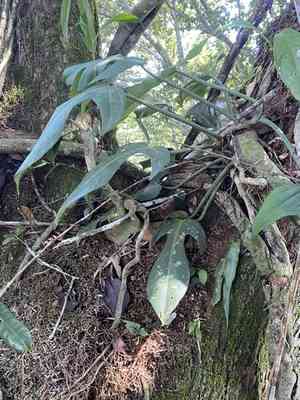
Relocate your wolf's head philodendron in the colder period, specifically from late fall to mid-winter, to minimize shock and foster root establishment. Select a shaded area featuring soil that drains effectively. To achieve the best outcome, verify that the new site replicates the plant's initial surroundings.
What Preparations are Needed Before Transplanting Wolf's Head Philodendron?
What is the Ideal Time for Transplanting Wolf's Head Philodendron?
The best time to move wolf's head philodendron is from late autumn through mid-winter. This period allows the plant to establish roots in cooler soil, minimizing stress from the move. Relocating wolf's head philodendron during its dormant phase promotes stronger root development and better adaptation, leading to a more robust plant by spring.
How Much Space Should You Leave Between Wolf's Head Philodendron Plants?
When transplanting wolf's head philodendron, ensure each plant is spaced 12-24 inches (30-60 cm) apart. This provides ample room for growth and promotes good air circulation, which helps prevent disease.
What is the Best Soil Mix for Wolf's Head Philodendron Transplanting?
Prepare a well-draining soil mix enriched with organic compost for wolf's head philodendron. Incorporating a balanced, slow-release fertilizer at the base will supply essential nutrients. The soil should be moist but not waterlogged to support healthy root growth.
Where Should You Relocate Your Wolf's Head Philodendron?
Wolf's head philodendron thrives in bright, indirect light. Select a location that receives filtered sunlight or partial shade. Avoid direct sun exposure, which can scorch the leaves, especially during the hottest parts of the day.
What Equipments Should You Prepare Before Transplantation Wolf's Head Philodendron?
Gardening Gloves
To protect your hands while handling soil and plants.
Shovel or Spade
For digging around the plant and its new spot.
Garden Trowel
Useful for precise digging and managing soil.
Watering Can or Hose
For hydrating the plant before and after relocation.
Mulch
To retain moisture and offer a protective layer around the plant.
Bucket
To move the plant or extra soil if necessary.
How Do You Remove Wolf's Head Philodendron from the Soil?
How Do You Remove Wolf's Head Philodendron from the Soil?
From Ground: First, water the wolf's head philodendron plant to moisten the soil. Next, dig a wide trench around the plant using a shovel or spade, ensuring the root ball remains intact. Carefully work the spade beneath the root ball to lift the plant from its original spot.From Pot: Water the wolf's head philodendron plant thoroughly. Tilt the pot on its side and gently tap the edges to loosen the soil. Carefully slide the plant out, supporting the root ball with your hand.From Seedling Tray: Water the seedling tray to make the soil easier to handle. Use a garden trowel or your fingers to gently lift the seedlings, ensuring the root ball stays intact. Be gentle to avoid damaging the roots.
Step-by-Step Guide for Transplanting Wolf's Head Philodendron
Prepare the New Site
Dig a hole in the new location that is twice as wide and as deep as the root ball of the wolf's head philodendron plant.
Check Soil Moisture
Ensure the soil in the new spot is damp but not waterlogged.
Remove the Plant
Carefully extract the wolf's head philodendron plant from its original location, following the appropriate method described previously.
Place the Plant
Position the wolf's head philodendron plant in the center of the hole. Make sure the top of the root ball is level with the surrounding soil surface.
Fill the Hole
Gently backfill the hole with soil, pressing down lightly to remove air pockets without overly compacting the soil.
Water the Plant
Water the newly transplanted wolf's head philodendron plant thoroughly to settle the soil around its roots.
Add Mulch
Apply a layer of mulch around the plant's base, leaving a small gap around the stem to prevent rot.
How Do You Care For Wolf's Head Philodendron After Transplanting?
Watering
Keep the soil around the wolf's head philodendron consistently moist, but not soggy, for the initial weeks post-transplant to aid in root establishment.
Monitoring
Look for signs of transplant shock, such as wilting or yellowing leaves, and adjust care as needed.
Mulching
Regularly inspect the mulch layer and replenish it if necessary to maintain moisture and protect the plant.
Troubleshooting Common Issues with Wolf's Head Philodendron Transplantation.
When is the best time to transplant wolf's head philodendron?
The optimal time to transplant wolf's head philodendron is from late autumn to mid-winter for best growth.
How far apart should I space transplanted wolf's head philodendron plants?
Space your transplanted wolf's head philodendron plants 12-24 inches (30-60 cm) apart to ensure healthy development.
Should I water wolf's head philodendron immediately after transplanting?
Yes, water wolf's head philodendron thoroughly right after transplanting to settle the soil and reduce shock.
How deep should the hole be for transplanting wolf's head philodendron?
Dig a hole large enough to accommodate the root ball, approximately 10-12 inches (25-30 cm) deep.
What soil type is best for transplanting wolf's head philodendron?
Use well-draining, rich, loamy soil to ensure your wolf's head philodendron thrives after transplanting.
Can I transplant wolf's head philodendron if the roots are tangled?
Gently untangle the roots of wolf's head philodendron before transplanting to promote better growth and root spread.
How should I prepare wolf's head philodendron for transplanting?
Water wolf's head philodendron thoroughly the day before, and trim any dead or damaged leaves for a smooth transplant.
Do wolf's head philodendron plants need fertilization after transplanting?
Yes, apply a balanced fertilizer a few weeks after transplanting wolf's head philodendron to support new growth.
Should wolf's head philodendron be kept in the shade after transplanting?
Provide partial shade to wolf's head philodendron for a few weeks after transplanting to reduce stress and sunburn.
How do I handle transplant shock in wolf's head philodendron?
Water consistently, provide partial shade, and avoid fertilizing for the first couple of weeks to help wolf's head philodendron recover.



