How to Transplant Philodendron gloriosum?
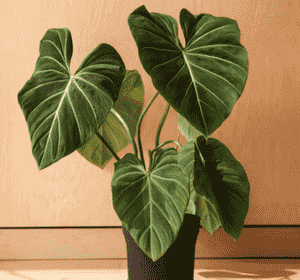
Relocating Philodendron gloriosum is most successful when performed as winter's cold recedes into the mild temperatures of early to mid-spring. Select a location offering filtered illumination and adhere to optimal techniques to guarantee its vigorous development.
What Preparations are Needed Before Transplanting Philodendron Gloriosum?
What is the Ideal Time for Transplanting Philodendron Gloriosum?
The prime time to relocate philodendron gloriosum spans the garden's active period, from early spring's awakening to late season's full bloom. During this phase, moderate conditions support root development without the stress of extreme heat or cold. This timing allows philodendron gloriosum ample opportunity to establish a strong root system before harsher seasons arrive, ensuring better survival and vigorous growth.
How Much Space Should You Leave Between Philodendron Gloriosum Plants?
When preparing to transplant philodendron gloriosum, ensure a generous spacing of 24-36 inches (60-90 cm) between each plant. This provides adequate room for root expansion and foliage development without crowding.
What is the Best Soil Mix for Philodendron Gloriosum Transplanting?
For philodendron gloriosum, prepare a soil blend rich in organic matter. Aim for a well-draining potting mix and incorporate a slow-release fertilizer to give your philodendron gloriosum a strong start. The correct soil will promote root growth and overall plant vitality.
Where Should You Relocate Your Philodendron Gloriosum?
Select a location for your philodendron gloriosum that receives bright, indirect illumination. Direct sun can be too harsh, while excessive shade may impede growth. A north-facing window or an area with filtered light is often perfect for these plants.
What Equipments Should You Prepare Before Transplantation Philodendron Gloriosum?
Gardening Gloves
To safeguard your hands while handling soil and philodendron gloriosum.
Shovel or Garden Spade
For excavating around and beneath the philodendron gloriosum's root mass.
Watering Can or Hose
To hydrate the philodendron gloriosum prior to and following transplantation.
Pruning Shears
To trim any damaged roots or leaves.
Wheelbarrow or Garden Cart
To move the philodendron gloriosum if it is large or heavy.
Measuring Tape
To ensure appropriate spacing between plants.
Tarp or Burlap
To contain the soil and roots during relocation.
Soil Mix
To replenish fresh soil around the philodendron gloriosum's roots after transplanting.
How Do You Remove Philodendron Gloriosum from the Soil?
How Do You Remove Philodendron Gloriosum from the Soil?
From Ground: Thoroughly water the philodendron gloriosum to moisten the soil. Carefully dig a wide trench around the plant using a shovel or spade. Avoid root damage by maintaining a safe distance from the main stem. Excavate beneath the root ball and gently lift the philodendron gloriosum from the ground.From Pot: Begin by watering the philodendron gloriosum to make the soil more pliable. Grasp the base of the philodendron gloriosum and turn the pot on its side. Tap the bottom or gently press the pot's sides to loosen the root ball. Slide the philodendron gloriosum out while supporting its base and roots.From Seedling Tray: Water the seedlings to soften the soil. Use a spoon or a small stick to carefully lever the seedling out of the tray, taking care to preserve the delicate roots. Handle by the leaves to prevent stem damage.
Step-by-Step Guide for Transplanting Philodendron Gloriosum
Prepare The Site
Ensure the new location is ready for the philodendron gloriosum, with a hole twice the width of the root ball and the same depth.
Inspect The Roots
Examine the philodendron gloriosum's root ball for any signs of damage or disease. Carefully trim away any compromised roots.
Position The Plant
Gently place the philodendron gloriosum in the center of the hole. Ensure it sits at the same depth it was originally growing.
Fill The Hole
Backfill the hole with soil, gently firming it down without excessive compaction. Confirm there are no air pockets around the roots.
Water Thoroughly
After transplanting, generously water the philodendron gloriosum to settle the soil and hydrate the roots.
Stabilize The Plant
If the philodendron gloriosum is top-heavy or in an exposed area, use garden stakes or planks for support.
How Do You Care For Philodendron Gloriosum After Transplanting?
Initial Watering
Water consistently to keep the soil moist. The top inch should remain damp, but allow it to dry slightly between waterings.
Mulching
Apply a layer of organic mulch around the philodendron gloriosum's base to retain moisture and regulate soil temperature.
Pruning
Snip off any damaged or yellowing leaves to redirect energy to the healthy portions of the philodendron gloriosum.
Support
Continue to check and adjust any supports or stakes until the philodendron gloriosum is established and self-supporting.
Troubleshooting Common Issues with Philodendron Gloriosum Transplantation.
When's the best time to transplant philodendron gloriosum?
Optimal transplanting occurs during the mild period from early to late spring, when growth is robust.
What spacing is ideal for philodendron gloriosum after transplanting?
After transplanting, allow philodendron gloriosum ample room to flourish by spacing them 24-36 inches (60-90 cm) apart.
How deep should I plant philodendron gloriosum's roots in new soil?
Plant philodendron gloriosum's roots just deep enough so the top of the rootball is even with the surrounding soil surface.
Why are my philodendron gloriosum's leaves yellowing after transplant?
Yellow leaves may signal overwatering or shock. Ensure proper irrigation and avoid disturbing roots during transplantation.
Can I transplant philodendron gloriosum in summer or fall?
It's feasible, but spring's gentle weather contributes to the most successful transplantation and root establishment for philodendron gloriosum.
Should I water philodendron gloriosum immediately after transplanting?
Yes, water philodendron gloriosum thoroughly to settle the soil around roots and help mitigate transplant shock.
How do I prepare the soil before transplanting philodendron gloriosum?
Enrich the soil with compost or a balanced fertilizer and ensure it possesses good drainage.
What should I do if philodendron gloriosum's growth is stunted post-transplant?
Stunted growth could stem from root damage or nutrient deficiency; reassess your watering routine and soil fertility.
How much sunlight does philodendron gloriosum need after transplanting?
Provide philodendron gloriosum with bright, indirect light; direct sunlight can stress the plant, especially post-transplant.
Can I fertilize philodendron gloriosum right after transplanting?
Wait 4-6 weeks before fertilizing to allow philodendron gloriosum to acclimate and develop new roots in its new location.



