How to Transplant Blushing philodendron?
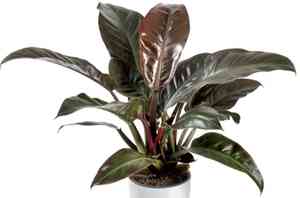
The ideal period for relocating blushing philodendron is from early to mid-spring, as the elevated temperatures stimulate robust development. Select a site featuring permeable earth and dappled sunlight to facilitate a successful adjustment. Remember to maintain soil moisture as your blushing philodendron acclimates to its new environment.
What Preparations are Needed Before Transplanting Blushing Philodendron?
What is the Ideal Time for Transplanting Blushing Philodendron?
The optimal period to relocate your blushing philodendron is from early spring through its midpoint. This timing ensures the blushing philodendron establishes roots effectively and gains a head start for the growing season. With warmer soil and increased daylight, the plant efficiently utilizes nutrients and has ample time to settle before summer's heat. Your blushing philodendron will thrive with this approach!
How Much Space Should You Leave Between Blushing Philodendron Plants?
When moving your blushing philodendron, ensure each plant is spaced approximately 6-10 inches (15-25 cm) apart. This provides sufficient room for growth and helps prevent them from becoming too crowded.
What is the Best Soil Mix for Blushing Philodendron Transplanting?
For blushing philodendron, utilize a well-draining soil blend, ideally containing peat moss, perlite, or sand for enhanced drainage. Prior to planting, incorporate a slow-release, all-purpose fertilizer to supply essential nutrients.
Where Should You Relocate Your Blushing Philodendron?
Select a spot for your blushing philodendron that receives bright, indirect sunlight. Direct sun exposure should be avoided, as it can scorch the foliage. A location near a window with filtered light is perfect!
What Equipments Should You Prepare Before Transplantation Blushing Philodendron?
Spade or Trowel
To excavate the ground for plant removal and creating a new planting hole.
Gardening Gloves
To safeguard your hands while handling soil and the blushing philodendron.
Watering Can
To hydrate the plant before and after its relocation.
Organic Matter or Compost
To be added to the new site to supply necessary nutrients for the blushing philodendron.
How Do You Remove Blushing Philodendron from the Soil?
How Do You Remove Blushing Philodendron from the Soil?
From Ground: Start by watering the blushing philodendron to moisten the soil, making it easier to maneuver the spade. Dig a circle around the plant with your spade or trowel, taking care to keep the root ball intact. Gradually deepen the cut, gently prying the plant upwards.From Pot: First, water the plant to minimize stress during removal. Turn the pot on its side, hold the blushing philodendron at its base, and gently pull and twist until the plant comes free. If it resists, tap the pot's edges to loosen it.Seedling Tray: Water the trays thoroughly before transplanting. Push up the bottom of each cell to release the seedling. Be careful to support the root ball and not the stem of blushing philodendron.
Step-by-Step Guide for Transplanting Blushing Philodendron
Prep the New Site
Begin by preparing the new location. Dig a hole twice the width of the blushing philodendron's root ball using your spade or trowel. Add some organic material or compost to the hole.
Remove blushing philodendron
After the plant has been extracted from its original spot, handle the root ball with care to minimize damage to the roots.
Plantation
Place the blushing philodendron into the freshly prepared hole. Position the plant so it sits at the same depth as it was in its previous container. Backfill the hole with the excavated soil, gently firming it to secure the plant.
Water Immediately
Generously water the blushing philodendron right after transplanting to help settle the soil around its roots. However, avoid overwatering to the point of pooling.
How Do You Care For Blushing Philodendron After Transplanting?
Watering
Water the blushing philodendron thoroughly after planting, and continue this practice regularly. Ensure the soil is damp, not waterlogged. Avoid wetting the leaves directly to prevent fungal issues.
Trimming
If you observe any yellow, wilting, or dead leaves on the blushing philodendron after transplanting, feel free to remove them. This allows the plant to direct its energy towards new growth.
Observation
Closely monitor the blushing philodendron for the initial few weeks post-transplant. Look for any indications of transplant shock, such as wilting, scorching, or browning, and address them as necessary.
Troubleshooting Common Issues with Blushing Philodendron Transplantation.
When's the most suitable time to transplant blushing philodendron?
The ideal time is during the onset of spring to mid-spring. This is when blushing philodendron is most receptive to being moved.
What's the recommended spacing when planting blushing philodendron?
For optimal development, ensure blushing philodendron is planted 6-10 inches (15-25 cm) apart. This provides ample room for growth.
Why are the leaves of my newly transplanted blushing philodendron turning yellow?
Yellowing foliage may indicate overwatering or inadequate drainage. Always ensure the soil is moist, not saturated.
Can I transplant blushing philodendron in any type of soil?
Blushing philodendron thrives in well-draining, rich, and slightly acidic soil. A blend of potting mix, peat, and perlite can be effective.
Do I water blushing philodendron immediately after transplanting?
Yes, water your blushing philodendron right after relocating it. This helps to settle the soil around the roots and minimize transplant shock.
Why is blushing philodendron wilting after transplanting?
Wilting can be a symptom of transplant shock. Be patient, ensure consistent watering, and keep it out of direct sunlight until it recovers.
Can I transplant blushing philodendron in the summer?
Transplanting blushing philodendron is best done in early to mid-spring. Summer heat can cause undue stress to your blushing philodendron.
Why are the leaves of transplanted blushing philodendron turning brown?
Browning leaves might be due to insufficient humidity. Maintain a humid environment around your blushing philodendron using a humidifier or a pebble tray with water.
How to care for blushing philodendron right after transplanting?
First, hydrate your blushing philodendron after planting. Afterward, keep the plant in a partially shaded area away from intense sunlight for the initial two weeks.
What is the ideal pot size for transplanting blushing philodendron?
You'll want a container that is slightly larger than the root system. Generally, 6-8 inches (15-20 cm) in diameter is a suitable size.



