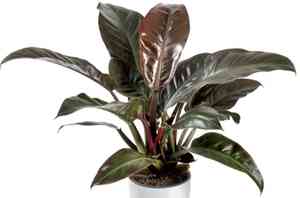
Blushing philodendron (Philodendron erubescens)
Also known as: Philodendron, Red emerald philodenron
Blushing philodendron (Philodendron erubescens) is a climbing evergreen plant that is commonly cultivated as a houseplant. Blushing philodendron is a preferable houseplant because it does not need much regular maintenance. Mature species sometimes produce a reddish-purple flower. This species cannot tolerate lower temperatures.
Attributes of Blushing philodendron
Images of Blushing philodendron

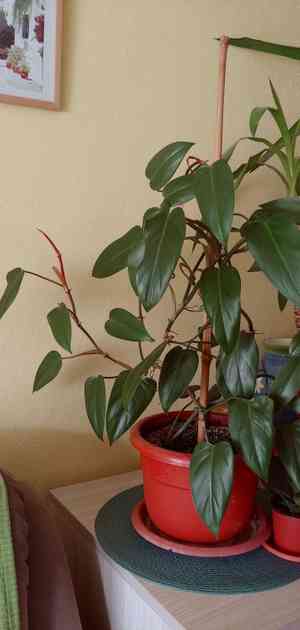


Quickly Identify Blushing philodendron
Scientific Classification of Blushing philodendron
Planting and Growing of Blushing philodendron
 How to Water Blushing philodendron?
 What Are the Sunlight Requirements for Blushing philodendron?
 What Is the Ideal Temperature Range for Blushing philodendron?
 What Soil is Best for Blushing philodendron?
 How to Fertilize Blushing philodendron?
 How to Prune Blushing philodendron?
 How to Propagate Blushing philodendron plant?
 How to Repot Blushing philodendron plant?
Toxicity of Blushing philodendron
Is Blushing philodendron toxic to humans?
The risk of poisoning from blushing philodendron primarily arises from the unintentional ingestion of the plant. While calcium oxalate, the toxic substance, is predominantly found in the leaves and stems, all sections of the plant exhibit mild toxicity. Ingesting any part of the plant can lead to varying degrees of illness, ranging from mild symptoms to severe reactions, including vomiting and irritation of the mouth, throat, and digestive system. Additionally, the toxins present in blushing philodendron may interact with other medications in the body, potentially resulting in adverse side effects. Often found as a houseplant, blushing philodendron poses an increased risk of accidental consumption, particularly in children.
Is Blushing philodendron toxic to cat?
The blushing philodendron is regarded as poisonous to cats, as every part of the plant presents a danger. Should a cat mistakenly consume any section of the blushing philodendron, it could exhibit signs of physical distress or sickness, which, although not elaborated upon here, are indicative of toxicity and necessitate urgent attention. If you believe your cat has ingested this plant, it is essential to obtain treatment at a veterinary clinic without delay to safeguard their health and well-being.
Is Blushing philodendron toxic to dog?
The blushing philodendron is regarded as toxic to dogs. If a dog consumes any part of this plant, since all sections are harmful, it may result in poisoning. Dogs might inadvertently eat blushing philodendron out of curiosity or if they come into contact with it in their surroundings. Signs of poisoning in dogs can include vomiting, diarrhea, pawing at the face or mouth, excessive drooling, and challenges in swallowing. It is essential for dog owners to be attentive and to keep their pets away from blushing philodendron. Should a dog ingest this plant, it is vital to seek prompt veterinary assistance to secure the best possible outcome for the animal.



