How to Transplant Lima bean?
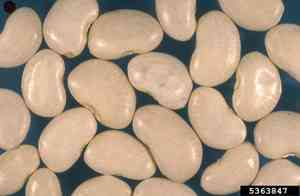
For lima bean, the ideal period for relocation is mid-spring, once the ground has become warm and the danger of frost has subsided. Select a bright location featuring soil that drains effectively. If necessary, gradually introduce young plants to external environments to guarantee a successful transition.
What Preparations are Needed Before Transplanting Lima Bean?
What is the Ideal Time for Transplanting Lima Bean?
The best time for moving lima bean is in the middle of spring. During this period, steady temperatures promote root establishment without the risk of early frosts. By selecting this timeframe, you guarantee lima bean receives sufficient warmth and an extended growing season, crucial for strong development. Relocating lima bean to the garden during this window leverages the season's stability, providing a supportive environment for the plant's growth. Remember, a friendly reminder, enjoying the process enhances the gardening experience as much as the final yield!
How Much Space Should You Leave Between Lima Bean Plants?
For lima bean, ensure proper spacing between each individual plant. Ideally, maintain a distance of 1-2 feet (30-60 cm) between them. This provides ample room for growth and prevents overcrowding. This initial arrangement can significantly boost their development.
What is the Best Soil Mix for Lima Bean Transplanting?
For lima bean, you'll want well-drained soil, ideally a blend of loamy and sandy types. Preparing the soil with a generous amount of compost or organic fertilizer will create an excellent foundation. This improves soil nutrients, encouraging healthy growth.
Where Should You Relocate Your Lima Bean?
Regarding placement, lima bean thrives with abundant sunlight. Therefore, aim to position them in an area where they will receive at least six hours of direct sunlight daily. This helps them flourish and supports efficient photosynthesis.
What Equipments Should You Prepare Before Transplantation Lima Bean?
Gardening Gloves
These will safeguard your hands from sharp objects and dirt while handling the soil and the plant.
Shovel or Spade
This tool will be used for excavating holes in the ground for the transplant.
Potting Soil
This will be utilized to supply adequate nutrients for lima bean following the transplant.
Watering Can
This will be useful for keeping the plant hydrated during and after the transplant process.
Wheelbarrow
This will be employed for moving the lima bean plant from its original spot to the ground.
Garden Trowel
This can be used for more precise control during transplanting, especially when carefully detaching the plant from its current location.
Garden Stakes
These will be used to provide support for lima bean after it has been moved.
How Do You Remove Lima Bean from the Soil?
How Do You Remove Lima Bean from the Soil?
From Ground: If lima bean is initially growing in the ground, use your shovel to gently dig around the plant's base. Be careful not to damage the roots and try to extract as many roots as possible. Ensure the root ball stays intact. Then use the trowel to carefully separate the roots from the soil.From Pot: If lima bean is in a container, squeeze or tap the pot's exterior to loosen the soil and roots. Invert the plant and gently ease it out of the pot. Be careful to maintain the root ball's integrity.From Seedling Tray: To remove lima bean from a seedling tray, gently press the bottom of the cell while lifting the plant. It should come out easily, with the soil and roots forming a compact plug.
Step-by-Step Guide for Transplanting Lima Bean
Digging the Hole
Excavate a hole twice as wide and just as deep as the lima bean root ball. The wider opening allows for easier root expansion.
Preparing the Plant
Gently loosen the roots of lima bean before planting to encourage them to spread out into the prepared hole.
Placing the Plant
Position lima bean in the center of the hole. The top of the root ball should be level with the surrounding soil. Adjust the soil at the bottom of the hole if needed.
Backfilling
Refill the hole, ensuring there are no air pockets around the roots. Lightly press the soil down but avoid compacting it too much, as this could hinder root growth.
Watering
Thoroughly water the lima bean plant after transplanting. This will help settle the soil around the roots and eliminate any air pockets.
How Do You Care For Lima Bean After Transplanting?
Watering
Water the lima bean using a watering can immediately after transplanting to settle the soil. Keep the soil around it consistently moist but without causing waterlogging, which can harm the roots.
Protection
Place a protective barrier around lima bean to prevent it from being eaten by pests. You can use garden stakes for this purpose.
Checking
Inspect the lima bean daily for signs of transplant shock, such as yellowing or wilting leaves. If you observe any such indications, ensure the plant is receiving adequate water and is not situated in an area with harsh sunlight or strong winds.
Fertilizer
Once the plant is established (shows new growth), apply a balanced fertilizer according to package directions to provide the necessary nutrients for lima bean's growth and health.
Troubleshooting Common Issues with Lima Bean Transplantation.
What is the optimal time to transplant lima bean?
The best period to transplant lima bean is during the mid to late growing season (S2-S3). This allows the plant sufficient time to establish its root system before colder months arrive.
What should be the ideal spacing between lima bean?
The appropriate distance for lima bean is between 1-2 feet (30-60 cm). This promotes optimal growth and prevents plant overcrowding.
Why are my transplanted lima bean wilting?
Wilting in lima bean often signals stress from the transplanting process. Ensure the roots were not damaged during the move and that the plant is receiving enough water and sun.
How do I ensure the survival of lima bean after transplanting?
After transplanting lima bean, provide ample water, but avoid overwatering. Position the plant in a location with consistent sunlight. Regularly check soil moisture and plant health for best outcomes.
Why are the leaves of my lima bean turning yellow after transplanting?
Yellowing leaves can indicate a nutrient deficiency, excessive watering, or insufficient light. Examine the plant's environment for any inconsistencies and make adjustments as needed.
What is the best way to water lima bean after transplanting?
Water lima bean thoroughly after transplanting, allow it to drain, then water again. Ensure the surrounding soil is moist but not saturated. A consistent watering routine maximizes the chances of successful transplantation.
What care should I take while handling the roots of lima bean?
Be gentle when handling lima bean's roots. Try to keep the root ball intact and disturb it as little as possible during transplanting to avoid causing unnecessary stress to the plant.
Can I transplant lima bean in a pot?
Yes, lima bean can thrive in containers. Ensure the pot is sufficiently large (at least 10 inches or 25 cm in diameter) to accommodate the plant's mature size.
What type of soil should I use for transplanting lima bean?
Lima bean prefers well-draining soil, rich in organic matter. A pH between 6.0 and 6.5 is ideal for these plants.
How much sun does lima bean need after transplanting?
After transplanting, lima bean requires full sun for successful growth and development. Ensure it receives at least 6-8 hours of sunlight daily.



