How to Transplant Queen's wreath?
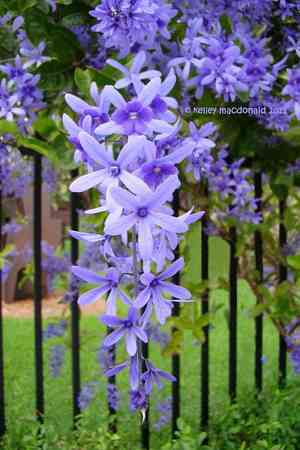
It is advisable to relocate queen's wreath during the pleasant warmth of late spring to mid-summer for optimal root development. Select a bright, adequately draining location and gradually introduce queen's wreath to its new environment to avoid transplant stress, facilitating a smooth adjustment to its new site.
What Preparations are Needed Before Transplanting Queen's Wreath?
What is the Ideal Time for Transplanting Queen's Wreath?
The best time to move queen's wreath is during late spring to early summer. This period ensures the ground is warm, aiding root development before colder weather. Relocating queen's wreath in this mild season allows them to benefit from longer days and moderate temperatures, which are perfect for root expansion. By selecting this timeframe, you'll give queen's wreath a strong start, ensuring its vibrant blooms are not hindered by stress from the move.
How Much Space Should You Leave Between Queen's Wreath Plants?
Prepare to give queen's wreath ample room to expand. Ensure you position your plants approximately 2-3 feet (60-90 cm) apart. This provides sufficient area for them to grow and flourish without competing for resources.
What is the Best Soil Mix for Queen's Wreath Transplanting?
For queen's wreath, the correct soil blend is crucial. A light, well-draining soil is most suitable. Incorporate an organic-based fertilizer before planting; this will provide your plant with an immediate nutrient boost.
Where Should You Relocate Your Queen's Wreath?
When selecting a site for queen's wreath, consider sunlight exposure. This plant thrives in full sun to partial shade. Choose a spot where it will receive at least 6 hours of sunlight daily. Remember, ample sunshine leads to healthy plants!
What Equipments Should You Prepare Before Transplantation Queen's Wreath?
Gardening Gloves
To safeguard your hands from dirt and the rough textures of the queen's wreath during transplantation.
Trowel
To assist in removing your queen's wreath if it's in a container and to excavate the hole in your garden for transplantation.
Watering Can or Hose
To moisten the soil and hydrate the queen's wreath before and after transplant.
Large Shovel
If the queen's wreath is already mature and in the ground, you will require a larger shovel to manage the size of its root ball.
Pruning Shears
To trim any excessively long or damaged roots during the transplanting process.
Wheelbarrow or Plant Pot
To transport the queen's wreath from its original spot to the new location.
Mulch
To help the soil retain moisture and reduce water evaporation after transplanting.
Stakes and Twine
If your queen's wreath is a large or tall variety, you might need stakes to support it in the initial period post-transplant.
How Do You Remove Queen's Wreath from the Soil?
How Do You Remove Queen's Wreath from the Soil?
From Ground: Begin by watering the queen's wreath plant to moisten the soil, which simplifies the removal process. Next, dig a wide trench around the queen's wreath using a large shovel, ensuring sufficient depth to keep the root ball intact. Carefully work the spade beneath the root ball and lift the plant from its original position. If the plant is large, you may need assistance or a wheelbarrow for safe transport.From Pot: The initial step is similar; water your queen's wreath plant. Then, gently tilt the pot on its side and gradually ease out the queen's wreath by holding its base stem or trunk, not the foliage. Try to retain as much original soil with the roots as possible to prevent damage.From Seedling Tray: Again, start by watering your seedlings. Carefully slide the trowel under the seedling without significantly disturbing the root system. Gently lift it up and hold it by one of its leaves, avoiding contact with the stem or roots.
Step-by-Step Guide for Transplanting Queen's Wreath
Plant Preparation
Before transplanting the queen's wreath, ensure any damaged or excessively long roots are trimmed using pruning shears. This will facilitate a smoother transplant process and encourage healthier regrowth afterward. Additionally, if the plant is currently blooming, remove the flowers to allow the plant to direct its energy towards root establishment.
Dig a Hole
The hole you excavate in your garden should ideally be twice as wide and as deep as the queen's wreath root ball. This ensures the roots will have ample space to spread and establish themselves.
Transplantation
Position your queen's wreath in the center of the hole. The top of the root ball should be level with or slightly below the surrounding ground. Gently backfill the hole with soil, avoiding heavy compaction.
Water
Once your queen's wreath is firmly in the ground, water it thoroughly using a watering can or hose. The soil should be damp, but be careful not to overwater, as this can lead to soggy soil which might suffocate the roots.
Mulch
After watering, apply a layer of mulch around the queen's wreath to help retain moisture and suppress the growth of weeds that could compete with your plant for nutrients.
How Do You Care For Queen's Wreath After Transplanting?
Watering
Keep the soil around the queen's wreath consistently moist, but ensure it is not waterlogged. The plant will require more water than usual for the first few weeks post-transplant as it establishes its roots.
Pruning
It would be beneficial to lightly prune your queen's wreath after transplantation. This will promote branching and allow the plant to focus on developing a robust root system. Always make clean cuts to prevent infection.
Support
If your queen's wreath is a larger variety, it might need extra support after transplant until it takes root and can stand on its own. Use stakes and twine to assist it in the initial stages.
Inspect
Regularly check for signs of stress, such as wilting leaves or stunted growth. This will help you determine if the plant is adapting to its new location or if any additional care is needed.
Troubleshooting Common Issues with Queen's Wreath Transplantation.
Whenâs the best time to transplant queen's wreath?
Queen's wreath thrives when moved during late summer to early fall (S3-S5), ensuring robust growth.
How much space should be between each queen's wreath while transplanting?
Leaving a gap of about 2-3 feet (60-90 cm) between each queen's wreath during transplanting is ideal. It ensures each plant receives adequate sunlight and nutrients.
How deep should I dig the hole for the queen's wreath transplantation?
The hole should be twice as wide and slightly less deep than the rootball of the queen's wreath. This encourages good root development and proper drainage.
What soil type is optimal for transplanting queen's wreath?
Queen's wreath prefers well-draining soil. A blend of rich loam, sandy, and clay soils provides ideal conditions for its healthy growth after transplantation.
Is there a specific container size for transplanting queen's wreath?
The container should be wide and deep enough to comfortably accommodate the rootball of queen's wreath with extra room for growth. Approximately 10-12 inches (25-30 cm) should suffice.
What should I care for immediately after transplanting queen's wreath?
Water queen's wreath thoroughly right after transplanting. This helps settle the soil around the roots. Also, place it in a partially shaded area for the first two weeks.
How should I prepare the roots for transplanting queen's wreath?
Before transplanting, soak your queen's wreath roots in water for an hour. This prevents the roots from drying out during the transplanting process.
Is it necessary to add fertilizer during queen's wreath transplantation?
Yes, mix a slow-release, balanced fertilizer into the planting hole for queen's wreath. It supplies essential nutrients for the plant to establish itself in its new location.
What are the signs that my transplanted queen's wreath is acclimatizing well?
New growth is a positive indicator that your transplanted queen's wreath is adapting. It signifies the plant is coping well with the move and adjusting to its new environment.
How can I prevent transplant shock in queen's wreath?
Transplant shock in queen's wreath is minimized by selecting the appropriate season for the transplant, providing sufficient space between plants, and offering adequate care post-transplant.



