How Much Sunlight Do Queen's wreath Need?
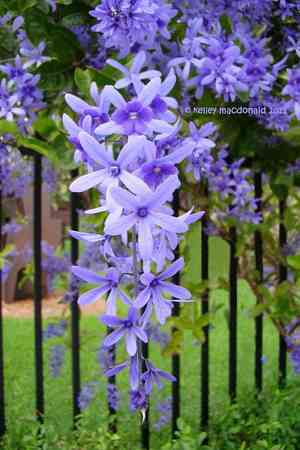
1
Petrea volubilis flourishes with 6 to 8 hours of unfiltered sun each day.
2
Some shade is acceptable, though it might lessen flower production.
3
Shield from strong afternoon sun to prevent leaf burn.
Optimal Light Requirements for Queen's Wreath
Abundant Sun Exposure
The Queen's wreath, a striking vine with vivid purple blooms, flourishes best in full sun. This means the plant should receive a minimum of 6 to 8 hours of direct sunlight daily. Such ample light promotes peak flower development, leading to a more robust and luxuriant plant. Placing your Queen's wreath where it gets morning sun and some afternoon rays will boost its flowering potential and overall vitality.
Partial Shade Adaptability
While full sun is ideal, the Queen's wreath can also endure partial shade. In regions where full sunlight might be too harsh, particularly during summer's peak, partial shade can be advantageous. This implies positioning the plant to receive 3 to 6 hours of direct sunlight, typically in the morning or late afternoon. However, be aware that excessive shade may diminish the quantity and vibrancy of its flowers.
Recognizing Appropriate Light Levels for Queen's Wreath
Symptoms of Sun Damage
Excessive sun exposure can lead to sunburn, even for sun-loving plants like the Queen's wreath. Look for indicators such as yellowing foliage, scorched or browned leaf edges, and a generally wilted appearance. If these signs emerge, consider providing some afternoon shade or moving the plant to a location with slightly less intense sunlight.
Signs of Insufficient Light
Conversely, inadequate sunlight can also negatively impact the Queen's wreath. Clues that your plant isn't getting enough light include sparse leaves, elongated growth, and a lack of bloom production. If you observe these symptoms, gradually relocate the plant to a brighter spot or increase its exposure to sunlight.
Adjusting Light for Queen's Wreath
Relocating to Better Spots
Changing your Queen's wreath's position is an effective method to ensure it receives the correct amount of sunlight. Observe your plant's current state and watch for the previously mentioned signs. If necessary, move it to a location that provides more or less sunlight as needed. Remember to do this gradually to prevent shock, shifting the plant over about a week.
Utilizing Shade Cloths and Covers
If moving your Queen's wreath isn't feasible, consider employing shade cloths or constructing temporary shelters to manage sun exposure. Shade cloths can filter a portion of the sunlight, safeguarding the plant from extreme heat, especially at midday. Covers like garden netting or temporary structures can also help regulate the amount of light reaching your plant.
Seasonal Light Considerations for Queen's Wreath
Summer Maintenance
During the summer months, sunlight can be particularly strong. Monitor your Queen's wreath for any indications of stress or sunburn and offer additional shade if required. Watering in the early morning or late evening can also help prevent the plant from drying out and suffering heat damage.
Winter Precautions
In winter, days are shorter, and sunlight is less intense. Ensure your Queen's wreath still gets sufficient light by placing it in the sunniest part of your garden. If cultivating the plant indoors or in a greenhouse, you might need to supplement with grow lights to maintain healthy development.



