How to Transplant Cape leeuwin wattle?
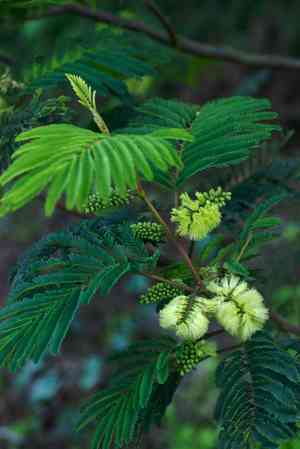
The optimal window for relocating cape leeuwin wattle is the revitalizing phase of early to mid-spring, which guarantees vigorous development. Select a location that receives ample sunlight and drains effectively. Should the root system be dense, carefully separate the roots prior to replanting.
What Preparations are Needed Before Transplanting Cape Leeuwin Wattle?
What is the Ideal Time for Transplanting Cape Leeuwin Wattle?
The optimal period to relocate cape leeuwin wattle is from early to mid-spring. This timeframe encourages strong root development due to mild temperatures and ample moisture, ensuring a smooth transition for cape leeuwin wattle to its new spot. Selecting this prime transplanting window gives cape leeuwin wattle a head start for vigorous growth, enabling it to adapt to seasonal changes. This strategic timing sets cape leeuwin wattle up for success, allowing it to flourish and enhance your garden's beauty.
How Much Space Should You Leave Between Cape Leeuwin Wattle Plants?
When moving cape leeuwin wattle, consider spacing. Aim for a distance of 3-4 feet (approximately 1-1.2 meters) between each plant. This provides sufficient room for them to expand and thrive, promoting robust development.
What is the Best Soil Mix for Cape Leeuwin Wattle Transplanting?
Cape leeuwin wattle thrives in soil that drains well. Prepare the ground by loosening it and incorporating a base fertilizer along with equal parts compost, peat moss, and perlite. This blend will nourish your plant and help it establish strong roots.
Where Should You Relocate Your Cape Leeuwin Wattle?
Select a site with full to partial sun exposure for cape leeuwin wattle. These plants are sun-loving, requiring about 4-6 hours of daily sunlight for proper growth. An east-facing section of your garden is often a suitable choice.
What Equipments Should You Prepare Before Transplantation Cape Leeuwin Wattle?
Gardening Gloves
To safeguard your hands while handling soil and cape leeuwin wattle.
Shovel or Spade
For carefully excavating cape leeuwin wattle from its original location or container without harming the root system.
Watering Can or Hose
To hydrate cape leeuwin wattle both before and after its relocation.
Garden Shears
To remove any dead or diseased portions of cape leeuwin wattle prior to transplanting.
Organic Mulch
To aid in moisture retention and weed suppression following transplantation.
Gardening Trowel
For fine-tuning the planting hole and precise placement.
A Tape Measure
To ensure the planting hole is twice the width and matches the depth of the root ball.
How Do You Remove Cape Leeuwin Wattle from the Soil?
How Do You Remove Cape Leeuwin Wattle from the Soil?
From Ground: First, moisten the cape leeuwin wattle plant to soften the soil, making digging easier and reducing plant stress. Next, dig a wide trench around the plant with a shovel or spade, ensuring the plant's root ball stays intact. Carefully work the spade beneath the root ball to lift the plant from its initial spot. Preserve as much of the root system as possible.From Pot: If cape leeuwin wattle is grown in a container, water it well first, then turn the pot sideways, gently hold the plant by its stem, tap the pot's bottom, and carefully pull it out. Avoid pulling the plant by its stem or trunk, as this could separate the plant from its root system.From Seedling Tray: If moving a seedling, dampen the growing medium. Push the seedling out from the bottom, if feasible. Gently hold the seedling by its leaves to prevent damage to the delicate stem. Lift it out, taking care to keep the root ball intact.
Step-by-Step Guide for Transplanting Cape Leeuwin Wattle
Preparation
Water the cape leeuwin wattle thoroughly several hours before moving it. This helps keep the root ball together and lessens plant stress. Clear the new planting area of weeds and debris.
Digging the Hole
Using your shovel, create a hole twice as wide and as deep as the root ball. This ensures the roots have ample space to spread in their new home.
Placing the Plant
Position the cape leeuwin wattle in the hole. The top of the root ball should be level with or slightly above the ground surface.
Backfilling
Refill around the root ball with the soil you removed to create the hole, gently firming it to eliminate air pockets.
Watering
Water generously after planting to settle the soil and give cape leeuwin wattle a strong start in its new location.
Mulching
Apply a layer of organic mulch around cape leeuwin wattle, keeping it away from the stem, to retain moisture and suppress weeds.
How Do You Care For Cape Leeuwin Wattle After Transplanting?
Watering
For the initial weeks post-planting, water cape leeuwin wattle thoroughly, then continue regular watering. Cape leeuwin wattle prefers a balance of moisture and drainage, so avoid overwatering to prevent waterlogged soil.
Trimming
Remove any dead or diseased parts of cape leeuwin wattle after transplantation to allow the plant to direct its energy towards new growth.
Mulch Replacement
Replenish the mulch layer as it breaks down to maintain an optimal growing environment.
General Inspection
Monitor cape leeuwin wattle for a couple of weeks. Look for signs of shock, such as wilting leaves or a lack of new growth, and address them as needed.
Troubleshooting Common Issues with Cape Leeuwin Wattle Transplantation.
What's the ideal time of year to transplant cape leeuwin wattle?
The best time to transplant cape leeuwin wattle is during S1-S2. This provides the plant with a solid foundation before its primary growth season.
How much space should I leave between cape leeuwin wattle plants?
Maintain a distance of approximately 3-4 feet (90 cm to 120 cm) between each cape leeuwin wattle plant. This ensures they have adequate room for development.
How deep should I plant cape leeuwin wattle when transplanting?
The hole should be roughly twice the size of the root ball. When planting cape leeuwin wattle, keep the top of the root ball level with the surface.
Should I water cape leeuwin wattle immediately after transplanting?
Absolutely! Provide cape leeuwin wattle with a thorough watering right after transplanting to help settle the soil and minimize transplant shock.
My transplanted cape leeuwin wattle is wilting. What should I do?
Wilting might be due to transplant shock. Try watering it deeply and moving it to a shaded area. Over time, cape leeuwin wattle should recover.
What kind of soil is ideal for transplanting cape leeuwin wattle?
Cape leeuwin wattle prefers well-drained soil with a neutral to slightly acidic pH. Enhancing the planting hole with compost can improve soil conditions.
What's really the benefit of adding compost before transplanting cape leeuwin wattle?
Compost enhances soil structure and delivers essential nutrients, which aids in cape leeuwin wattle's survival and growth after transplanting.
Why are the leaves of my transplanted cape leeuwin wattle turning yellow?
Yellowing leaves could indicate overwatering or poor drainage. Ensure cape leeuwin wattle has well-draining soil and avoid excessive watering, especially right after transplant.
Why hasn't my transplanted cape leeuwin wattle flowered yet?
Don't worry, cape leeuwin wattle may require time to establish and bloom after transplanting. Be patient, ensure healthy conditions, it will flower when ready.
Can I transplant cape leeuwin wattle in a pot?
Yes, cape leeuwin wattle can thrive in a container. Ensure the pot is sufficiently large for the root system and has proper drainage.



