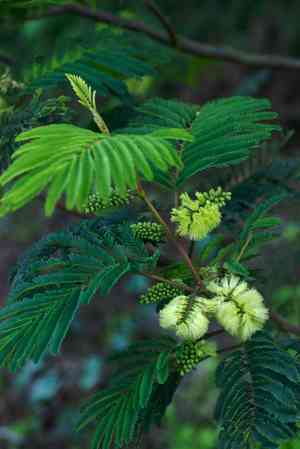
Cape leeuwin wattle (Paraserianthes lophantha)
Also known as: Cape wattle, Plume acacia, Stinkbean
The Cape Leeuwin wattle (Paraserianthes lophantha) is a small tree native to the southwestern coast of Western Australia. It has spread to various parts of the world and is now regarded as a weed in regions such as Chile, South Africa, New Zealand, the Canary Islands, and eastern Australia. Its extended blooming period makes it appealing to gardeners.
In This Article
Attributes of Cape leeuwin wattle
Lifespan
Perennial
Plant Type
Tree, Shrub
Plant Height
5 m
Spread
4 m
Leaf Color
Green
Flower Size
5 mm to 7 mm
Flower Color
Yellow Green Cream
Images of Cape leeuwin wattle
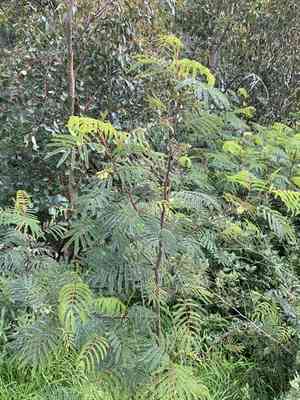
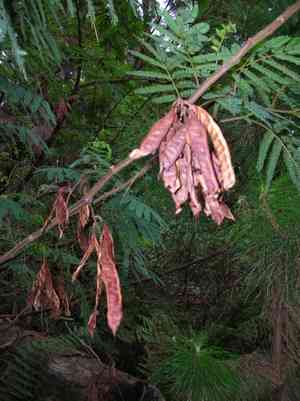
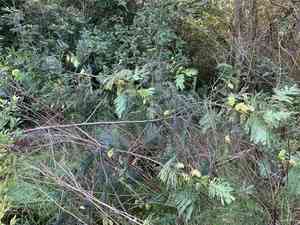
Quickly Identify Cape leeuwin wattle
1
Paraserianthes lophantha can be identified by its bipinnate leaves that resemble those of the mimosa tree. Its flowers are small, greenish-yellow, and arranged in dense, cylindrical spikes. The seed pods are long and flat, with a reddish-brown color when mature.
Scientific Classification of Cape leeuwin wattle
Phylum
Vascular plants
Class
Dicotyledons
Order
Fabales
Family
Legume
Genus
Paraserianthes
Species
Cape leeuwin wattle
Planting and Growing of Cape leeuwin wattle
Care Difficulty
Easy
Watering Schedule
Every 2 days
Sunlight Requirements
Full sun
Sunshine Duration
4-8 hours
Ideal Temperature
60-77℉
Soil Type
Potting Mix, Peat Mix
Soil pH
6.5-7.5
Fertilizer Type
Balanced
Pruning Season
Spring, Summer
Pruning Area
Branches, Leaves
Pruning Frequency
2 times a year
Repotting Season
Spring
Pot Type
Plastic, Ceramic
 How to Water Cape leeuwin wattle?
Apply around 500 ml of water each time, ensuring the soil feels moist but not overly saturated. The pot should have good drainage to allow excess water to escape, preventing root rot.
What are the symptoms of an underwatered Cape leeuwin wattle?
›
What should I do if my Cape leeuwin wattle is not getting enough water?
›
What are the symptoms of an overwatered Cape leeuwin wattle?
›
How to save an overwatered Cape leeuwin wattle?
›
 What Are the Sunlight Requirements for Cape leeuwin wattle?
This plant prefers full sun to partial sun, ideally receiving 6 to 8 hours of sunlight daily. Adequate light promotes vigorous growth, enhances leaf color, and increases flowering potential.
More About Sunlight Requirements Techniques→
Ideal Sun Exposure
›
Optimal Placement
›
Benefit of Ideal Light Conditions
›
 What Is the Ideal Temperature Range for Cape leeuwin wattle?
Paraserianthes lophantha thrives best in temperatures ranging from 60°F to 77°F. This range provides the optimal environment for its growth and development, ensuring healthy foliage and vibrant blooms. Maintaining this temperature range helps the plant perform its physiological processes efficiently, leading to overall plant vigor.
 What Soil is Best for Cape leeuwin wattle?
Paraserianthes lophantha thrives in well-drained soils to prevent root rot. Good drainage facilitates oxygen flow to the roots, ensuring robust growth and nutrient absorption. This plant desires nutrient-rich soil that can sustain its rapid growth. Ensuring a soil with ample organic matter will contribute to healthier foliage and an increased growth rate. Balanced moisture in the soil promotes the plant's vitality. While drought-tolerant, it still prefers some moisture to support its lush foliage.
 How to Fertilize Cape leeuwin wattle?
For Paraserianthes lophantha, the fertilizer should be applied moderately. Liquid fertilizers should be diluted to half the recommended strength to prevent root burn due to over-fertilization. Solid fertilizers should be carefully measured, usually following package instructions, applying less for younger or smaller plants to avoid excessive nutrient load.
 How to Prune Cape leeuwin wattle?
Begin by assessing the plant's natural shape and structure. Paraserianthes lophantha, known for its feathery foliage, benefits from a gentle shape-up that maintains its natural flow. Use sharp tools to trim branches that disrupt the overall symmetry. Inspect the plant carefully for any dead or diseased parts. This species can be vulnerable to fungal infections, so it's imperative to remove any compromised branches to prevent spread. Cut back to healthy wood to ensure regrowth. Pruning should also aim to improve air circulation within the canopy. This not only reduces the risk of disease but also helps in maintaining vibrant leaf coloration. Avoid dense clustering of branches that can stifle airflow.
More About Pruning Techniques→
 How to Propagate Cape leeuwin wattle plant?
1
Gather mature, dry pods from the plant and extract the seeds. Ensure seeds are not damaged and discard any that look unhealthy, as they might not germinate well.
2
Select healthy, non-flowering shoots and cut them at a length of about 10 cm. Make sure to cut just below a node and remove the bottom leaves, which will focus the plant's energy on root development.
3
For seeds, use a seedling tray filled with a seed-starting mix. Place seeds on the surface and cover lightly with soil. For cuttings, dip them in rooting hormone and place them into pots with a well-draining potting mix. Water gently to ensure the medium is moist.
 How to Repot Cape leeuwin wattle plant?
1
Paraserianthes lophantha should be repotted when you notice roots coming out of the drainage holes or if it's been two to three years since the last repotting. Fresh, new growth in spring or summer signals it's time for a more spacious home.
2
Select a pot that is a couple of inches larger in diameter than the current one. The pot should have sufficient drainage holes to ensure water can easily escape, preventing root rot and allowing the roots to breathe and expand comfortably.
3
Opt for a well-draining potting mix, ideally one that retains some moisture but allows excess to escape. A mix enriched with perlite or sand can enhance drainage, fostering a healthy root system and preventing waterlogged conditions.
Learn More About Cape leeuwin wattle Diseases
Anthracnose
Bacterial Leaf Spot
Bacterial Wilt
Crown Gall
Cyst Nematode
Damping-off
Downy Mildew
Drought Stress
Fusarium Wilt
Gray Mold
Leaf Curl
Leaf Spot
Mosaic
Nutrient Deficiency
Nutrient Toxicity
Powdery Mildew
Root Rot
Root-knot Nematode
Rusts
Sooty Mold
Spider Mites
Temperature Stress
Thrips Damage
White Mold



