How to Transplant American Ginseng?
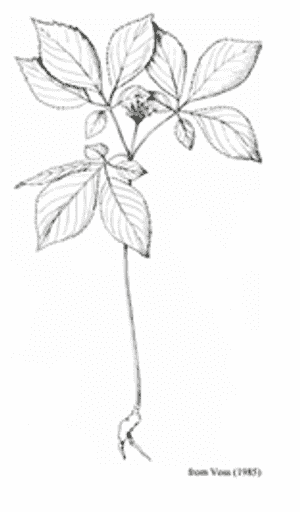
The ideal period for relocating american Ginseng is from late spring to early summer, capitalizing on peak growth circumstances. Select a shaded location with good drainage. To achieve optimal outcomes, position american Ginseng with sufficient room for development.
What Preparations are Needed Before Transplanting American Ginseng?
What is the Ideal Time for Transplanting American Ginseng?
The optimal period to relocate american Ginseng is during the mild conditions of late spring to early summer. This timeframe avoids frost, allowing american Ginseng's roots to settle in warm, nourishing soil, which is crucial for robust development. Selecting this season ensures american Ginseng has ample opportunity to adapt and strengthen before the onset of harsh winter weather.
How Much Space Should You Leave Between American Ginseng Plants?
Begin by gently marking a guide to plant your american Ginseng with adequate room to flourish. Aim for a separation of approximately 6-8 inches (15-20 cm) between plants. This guarantees each american Ginseng has sufficient area for root expansion and nutrient access.
What is the Best Soil Mix for American Ginseng Transplanting?
Prepare a fertile, well-draining loamy soil to accommodate your american Ginseng. Incorporate a balanced, slow-release fertilizer to nourish them from the outset. Ensure the pH is slightly acidic to neutral, around 5.5 to 6.5, for optimal growth.
Where Should You Relocate Your American Ginseng?
Locate a sheltered spot for your american Ginseng with filtered sunlight or partial shade. They will thrive in a cool environment, protected from direct, intense afternoon sun. This is particularly important to shield their delicate leaves and roots from stress.
What Equipments Should You Prepare Before Transplantation American Ginseng?
Gardening Gloves
To safeguard your hands while handling soil and plants.
Hand Trowel
For excavating small holes and lifting specimens.
Spade or Shovel
For digging out larger plants from the ground and creating new planting sites.
Watering Can or Hose
To irrigate the plant following transplantation.
Pruning Shears
To trim any damaged roots or foliage.
Measuring Tape
To maintain appropriate spacing between the transplanted specimens.
How Do You Remove American Ginseng from the Soil?
How Do You Remove American Ginseng from the Soil?
From Ground: Hydrate the american Ginseng to moisten the earth. Using a shovel or spade, excavate a wide trench around the plant, ensuring the root ball remains intact. Carefully slide the spade beneath the root ball to extract the plant from the ground.From Pot: Water the american Ginseng and allow it to sit for a few moments. Turn the container sideways, tap the base, and gently extract the plant while supporting the stem's bottom. If the plant is stuck, use a hand trowel to loosen the soil around the pot's edges.From Seedling Tray: Dampen the soil first to minimize root disturbance. Use a spoon or a dibber to gently lift the seedling by pushing up from the bottom. Hold the seedling by a leaf to prevent stem damage.
Step-by-Step Guide for Transplanting American Ginseng
Prepare the New Site
Clear the area of weeds, rocks, and debris to create a suitable bed for the american Ginseng.
Hole Digging
Excavate a hole that is twice as wide and the same depth as the root ball of american Ginseng.
Root Inspection
Examine the roots of american Ginseng for any indications of disease or damage and trim if necessary.
Placing american Ginseng
Carefully position american Ginseng in the center of the hole, ensuring it stands upright.
Filling the Hole
Backfill the hole with soil, gently pressing down to eliminate air pockets without over-compacting the soil.
Watering
Thoroughly water the american Ginseng after planting to settle the soil and hydrate the roots.
Mulching
Apply a layer of mulch around the base of american Ginseng to help retain moisture and deter weeds.
How Do You Care For American Ginseng After Transplanting?
Monitoring
Observe the american Ginseng for signs of stress, such as wilting or discolored leaves.
Watering
Maintain consistent soil moisture, ensuring good drainage to prevent root rot.
Mulching
Replenish the mulch layer as needed to protect the roots and preserve soil moisture.
Pruning
Remove any dead or diseased foliage to encourage healthy growth and adequate air circulation.
Troubleshooting Common Issues with American Ginseng Transplantation.
When is the best time to transplant american Ginseng?
Optimal transplanting time is late spring or early summer, ensuring the best root establishment.
What spacing is ideal for american Ginseng when transplanting?
Space plants about 6-8 inches (15-20 cm) apart to give them room to grow and thrive.
How much sunlight does american Ginseng need after transplanting?
American Ginseng prefers dappled sunlight. Too much sun can stress the transplants, especially in hot weather.
What type of soil is best for transplanting american Ginseng?
American Ginseng thrives in well-drained, rich soil with a slightly acidic to neutral pH.
How should I water american Ginseng after transplanting?
Water deeply after transplanting and then regularly to keep soil moist but not waterlogged.
When transplanting american Ginseng, how deep should I plant the roots?
The roots should be planted deep enough so that the crown is covered but not buried too deep.
Should I fertilize american Ginseng after transplanting?
Fertilize sparingly. Over-fertilizing can harm delicate roots. Use balanced, organic fertilizers if needed.
Is mulching beneficial for american Ginseng after transplanting?
Yes, mulching helps retain moisture, regulate soil temperature, and prevent weed competition.
Can I transplant american Ginseng near other plants?
Yes, but ensure enough space and avoid plants that might overshadow or compete aggressively for nutrients.
What are signs of transplant shock in american Ginseng?
Wilting, yellowing leaves, or stunted growth indicate shock. Ensure proper care and give it time to recover.



