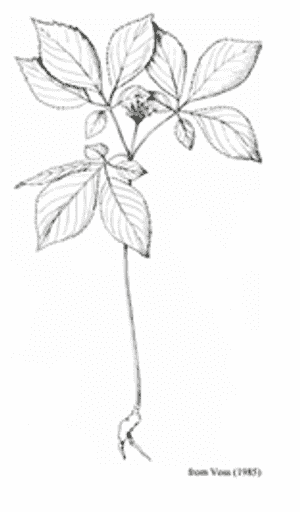
American Ginseng (Panax quinquefolius)
Also known as: Red Berry, Canadian Ginseng, Five-Fingers, Man's Health
Ginseng, specifically American Ginseng (Panax quinquefolius), is a culturally significant herbaceous perennial for Native American tribes. Due to extensive harvesting, it is now considered endangered in numerous U.S. states. The term "ginseng" comes from the Chinese word "rénshēn," which translates to "man-root," highlighting the root's resemblance to the human form.
In This Article
Attributes of American Ginseng
Lifespan
Perennial
Plant Type
Herb
Plant Height
20 cm to 61 cm
Spread
20 cm to 30 cm
Leaf Color
Green
Flower Size
2.5 cm
Flower Color
White Green Yellow
Images of American Ginseng
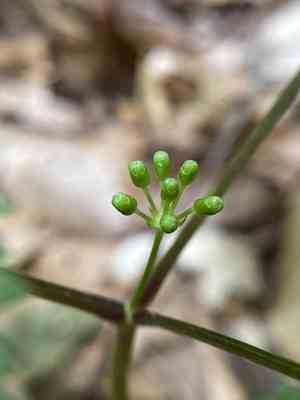
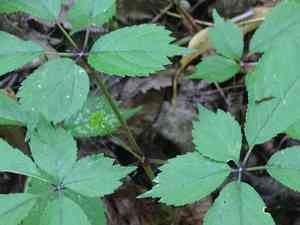
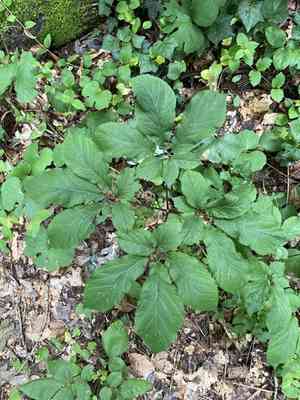
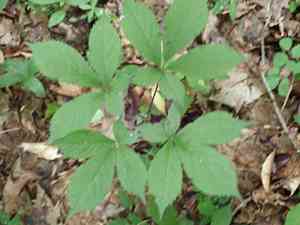
Quickly Identify American Ginseng
1
Compound leaves with 5 ovate leaflets in a whorled pattern.
2
Small, inconspicuous greenish-white flowers in umbels.
3
Bright red berries measuring about 3/4 inch (1.9 cm) in diameter.
4
Bright green, palmately divided compound leaves with serrated margins.
5
Singular, erect stem reaching up to 2 feet (60 cm) in height, smooth and green.
Scientific Classification of American Ginseng
Phylum
Vascular plants
Class
Dicotyledons
Order
Apiales
Family
Ivy
Genus
Ginseng
Species
American Ginseng
Planting and Growing of American Ginseng
Care Difficulty
Hard
Watering Schedule
Every 4 days
Sunlight Requirements
Partial sun
Sunshine Duration
6-10 hours
Ideal Temperature
60-75℉
Soil Type
Potting Mix, Peat Mix
Soil pH
6.5-7.5
Fertilizer Type
Balanced
Pruning Season
Spring, Summer
Pruning Area
Branches, Leaves
Pruning Frequency
2 times a year
Repotting Season
Spring
Pot Type
Plastic, Ceramic
 How to Water American Ginseng?
For Panax quinquefolius, it's essential to water the plant in a way that keeps the soil consistently moist but not waterlogged. Typically, about 250 milliliters per session should suffice. The key is to water evenly, ensuring moisture penetrates the soil without causing excessive sogginess. Soak the soil thoroughly so water seeps down to the roots, but avoid pooling or standing water.
What are the symptoms of an underwatered American Ginseng?
›
What should I do if my American Ginseng is not getting enough water?
›
What are the symptoms of an overwatered American Ginseng?
›
How to save an overwatered American Ginseng?
›
 What Are the Sunlight Requirements for American Ginseng?
Panax quinquefolius prefers partial or dappled sunlight, similar to conditions found in forest understories. Ideal light encourages robust growth and enhances the plant's medicinal attributes.
More About Sunlight Requirements Techniques→
How much light does Panax quinquefolius need?
›
What are the best ways to provide the ideal light?
›
Why is perfect lighting important for this plant?
›
 What Is the Ideal Temperature Range for American Ginseng?
Panax quinquefolius thrives best in temperatures ranging from 60°F to 75°F. This range ensures optimal growth and health for the plant, providing an environment that resembles its native forest understorey conditions. Ensuring the plant is kept within this temperature range prevents stress, promoting robust root development and healthy foliage.
 What Soil is Best for American Ginseng?
Panax quinquefolius thrives in well-draining soil, which ensures that the roots do not sit in water, preventing root rot and ensuring nutrient availability for optimal growth. The soil should be able to retain enough moisture without becoming waterlogged. This balance supports the plant's hydration needs while avoiding suffocation of the roots. Rich organic matter is crucial as it enhances soil fertility, provides essential nutrients, and improves the soil structure, which collectively promotes healthy Panax quinquefolius growth.
 How to Fertilize American Ginseng?
Panax quinquefolius, commonly known as American ginseng, requires a balanced approach to fertilizing. Use a 10-10-10 liquid fertilizer at half the recommended dose every two weeks during the growing season to promote healthy growth without overloading the plant.
 How to Prune American Ginseng?
Begin by identifying dead, damaged, or diseased stems. Use sharp pruners to cut these stems back to healthy tissue, ensuring a clean angle. Always prune just above a leaf node or branch junction to encourage new growth. To maintain a desirable form, regularly assess the growth pattern of the plant. Remove any cross-branching stems and ensure that the plant maintains a pleasing and consistent shape, which helps in maximizing growth efficiency and aesthetic appeal.
More About Pruning Techniques→
 How to Propagate American Ginseng plant?
1
Collect mature seeds from Panax quinquefolius berries in autumn. Clean the seeds by rinsing them to remove any pulp or residue. This step is vital as it prevents fungal growth which can inhibit germination later on.
2
Place the cleaned seeds in a mixture of moist sand and peat moss, sealing them in a plastic bag. Keep them in a refrigerator for 2-5 months. This stratification period simulates winter conditions, breaking seed dormancy and promoting germination.
3
Once germinated, carefully transplant seedlings to individual pots or a garden bed with rich, well-draining soil. Ensure they are spaced adequately to allow room for growth. Monitor for signs of shock, such as wilting, and mitigate by providing sufficient water and shade.
 How to Repot American Ginseng plant?
1
Panax quinquefolius, or American Ginseng, shows signs for repotting when its growth slows down dramatically, roots become cramped in the pot, or new soil loses its vigor. These signals mean it's time to provide the plant a spacious, nutrient-rich environment to invigorate its growth.
2
Choose a pot slightly larger than the current one with ample drainage holes. This ensures root expansion and prevents waterlogging, which is crucial for preventing root rot in Panax quinquefolius. A pot that breathes encourages healthy root development and overall plant vigor.
3
Opt for a loose, loamy soil mix rich in organic matter. The ideal soil for Panax quinquefolius mimics its natural forest floor environment, promoting root aeration and providing essential nutrients. This ensures robust growth and minimizes the risk of fungal infections.
Toxicity
Ingestion
WARNING
The judgment on toxicity and danger is for reference only. We DO NOT GUARANTEE any accuracy of such judgment. Therefore, you SHALL NOT rely on such judgment. It is IMPORTANT TO SEEK PROFESSIONAL ADVICE in advance when necessary.
Learn More About American Ginseng Diseases
Anthracnose
Bacterial Leaf Spot
Bacterial Soft Rot
Bacterial Wilt
Chemical Injury
Crown Gall
Cyst Nematode
Damping-off
Downy Mildew
Drought Stress
Fusarium Wilt
Gray Mold
Leaf Spot
Mosaic
Nutrient Deficiency
Nutrient Toxicity
Powdery Mildew
Root Rot
Root-knot Nematode
Sooty Mold
Spider Mites
Temperature Stress
Thrips Damage
White Mold



