How to Transplant Slender panicgrass?
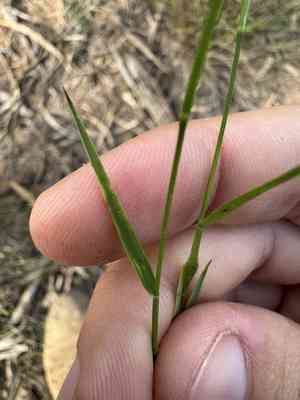
For slender panicgrass, the perfect period for relocation extends from the cessation of frost to the emergence of new vegetation (early to late spring). This timeframe guarantees root development prior to the warmth of summer. Provide a well-lit location with efficient water runoff for proper adaptation.
Necessary Preparations Before Relocating Slender Panicgrass?
Optimal Period for Moving Slender Panicgrass?
The best time to move slender panicgrass spans from the start of early spring to the abundant conclusion of late spring. This period offers mild weather and consistent temperatures crucial for root establishment. Moving slender panicgrass during this season ensures moist soil, promoting root development without the strain of summer heat. Furthermore, spring rains naturally support the hydration needs of slender panicgrass, encouraging a strong beginning in its new spot. Selecting this interval for relocation allows slender panicgrass to adapt and strengthen itself before the vigorous growth season ahead.
Required Spacing Between Slender Panicgrass Plants?
When arranging slender panicgrass, maintain a distance of approximately 6-12 inches (15-30 cm) between them. This provides ample room for each plant to grow and flourish without competing for resources.
Ideal Soil Blend for Slender Panicgrass Relocation?
For slender panicgrass, prepare an area with loamy soil rich in organic matter. Before moving, incorporate a balanced, slow-release fertilizer to give your plants an excellent start.
Preferred Location for Your Slender Panicgrass?
Select a sunny location that receives several hours of sunlight daily for your slender panicgrass. Partial shade is also acceptable, especially during the hottest part of the afternoon.
Equipment Needed Before Transplanting Slender Panicgrass?
Gardening Gloves
To safeguard your hands while handling soil and plants.
Shovel or Spade
To excavate the slender panicgrass without harming its root system.
Garden Fork
To loosen and aerate the soil at the new planting site.
Hand Trowel
For precise digging and placement of the slender panicgrass.
Watering Can or Hose
To hydrate slender panicgrass before and after its relocation.
Wheelbarrow or Garden Cart
To transport the slender panicgrass and soil.
Pruning Shears
To trim any damaged roots or excess foliage.
How to Extract Slender Panicgrass from the Soil?
How to Extract Slender Panicgrass from the Soil?
From Ground: Hydrate the slender panicgrass to moisten the soil. Use a shovel or spade to dig a wide trench around the plant, being careful not to disturb the root ball. Gently slide the spade beneath the root ball to lift the plant.From Pot: Dampen the soil in the pot, then turn the pot sideways and tap it to loosen the slender panicgrass. Carefully pull the slender panicgrass out by holding the base of the plant.From Seedling Tray: Water the seedlings thoroughly, then use a hand trowel or a spoon to lift the slender panicgrass out of the tray, retaining as much soil around the roots as possible.
Step-by-Step Guide for Relocating Slender Panicgrass
Preparation
Water the slender panicgrass thoroughly a few hours prior to transplanting to ensure the roots are well-hydrated.
Digging the Hole
Use the shovel to create a hole that is twice as wide and as deep as the slender panicgrass's root ball.
Root Pruning
Examine the root ball and use pruning shears to trim any damaged or overly long roots.
Planting
Carefully place the slender panicgrass in the hole, ensuring the top of the root ball is level with the surrounding ground.
Backfilling
Gradually refill the hole with soil, gently tamping it down to remove air pockets around the root ball.
Watering
Water the slender panicgrass generously to settle the soil and eliminate any remaining air gaps.
Mulching
Apply a layer of mulch around the base of the slender panicgrass, leaving a small space around the stem to prevent rot.
Post-Transplantation Care for Slender Panicgrass?
Monitoring
Inspect the slender panicgrass daily to observe its health and progress, watching for signs of stress or disease.
Watering
Provide the slender panicgrass with sufficient water to keep the soil moist, especially during dry periods, without causing waterlogging.
Supporting
If the slender panicgrass is tall or top-heavy, consider staking or providing a trellis for support until it becomes established.
Weeding
Keep the area around the slender panicgrass free of weeds to reduce competition for nutrients and water.
Pruning
Trim away any dead or damaged foliage to encourage new growth and maintain plant vitality.
Resolving Common Issues with Slender Panicgrass Relocation.
When is the best time to move slender panicgrass?
The prime window for relocating slender panicgrass is from early to late spring when temperatures are mild.
What spacing should I use for slender panicgrass when moving it?
Aim for a distance of about 6-12 inches (15-30 cm) to provide slender panicgrass ample room to grow.
Why is my slender panicgrass wilting after being moved?
Wilting may indicate transplant shock. Ensure soil stays moist and plants are initially shielded from intense sunlight.
Is it necessary to enrich the soil when relocating slender panicgrass?
Yes, enhancing the soil with compost or well-rotted manure benefits slender panicgrass's development.
How deep should I plant slender panicgrass?
Relocate slender panicgrass so its root ball is level with the soil surface, promoting healthy root growth.
Should I water slender panicgrass immediately after moving it?
Yes, thorough watering helps settle the soil around the roots and eases transplant stress.
How do I safeguard newly moved slender panicgrass from pests?
Monitor regularly and consider using organic insecticidal soap if pests are observed.
Can I fertilize slender panicgrass right after moving it?
Wait 4-6 weeks after relocation to fertilize, allowing slender panicgrass to establish without root burn.
What if slender panicgrass doesn't seem to grow after being moved?
Patience is key. If the plant remains healthy, it's likely establishing its roots. Give it time.
How can I prevent root rot when moving slender panicgrass?
Ensure the planting site has good drainage and avoid overwatering to prevent root rot.



