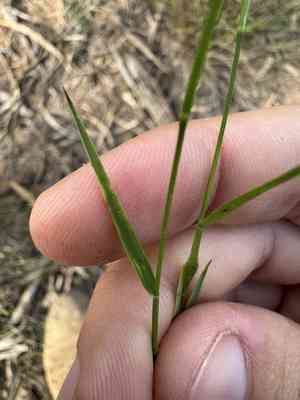
Slender panicgrass (Ottochloa nodosa)
Also known as: narrowleaf blady grass
Slender panicgrass (Ottochloa nodosa) is a notable weed in oil palm, coconut, and rubber plantations, as well as rice fields across Southeast Asia. This grass, characterized by its simple and broad leaves, poses a significant challenge to agricultural productivity. One effective method for managing this weed is through biological control, specifically by using grazing animals like sheep and cattle to naturally reduce its presence.
In This Article
Attributes of Slender panicgrass
Lifespan
Perennial
Plant Type
Grass
Plant Height
0.3 to 1 meter
Spread
Not applicable
Leaf Color
Green
Flower Size
Less than 1 cm
Flower Color
Yellow Green Brown
Images of Slender panicgrass
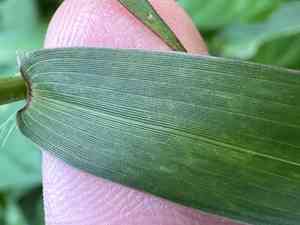
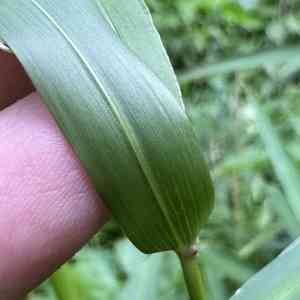
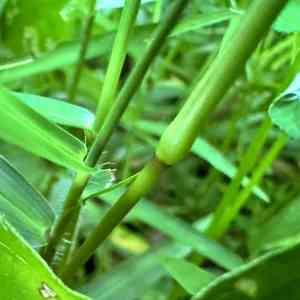
Quickly Identify Slender panicgrass
1
Ottochloa nodosa can be identified by its narrow, lance-shaped leaves, and its dense, tufted growth habit. The leaves are typically green and can have a slightly rough texture. It produces small, inconspicuous flowers.
Scientific Classification of Slender panicgrass
Phylum
Vascular plants
Class
Monocotyledons
Order
Poales
Family
Grass
Genus
Ottochloa
Species
Slender panicgrass
Planting and Growing of Slender panicgrass
Care Difficulty
Easy
Watering Schedule
Every 2 days
Sunlight Requirements
Partial sun
Sunshine Duration
4-8 hours
Ideal Temperature
68-86℉
Soil Type
Potting Mix, Peat Mix
Soil pH
6.5-7.5
Fertilizer Type
Balanced
Pruning Season
Spring, Summer
Pruning Area
Branches, Leaves
Pruning Frequency
2 times a year
Repotting Season
Spring
Pot Type
Plastic, Ceramic
 How to Water Slender panicgrass?
When watering Ottochloa nodosa, it's essential to ensure that the soil is thoroughly soaked until water drains from the bottom of the pot. This usually requires around 500 ml of water per session, depending on the pot size and soil type. The key principle is to keep the soil consistently moist but not waterlogged.
What are the symptoms of an underwatered Slender panicgrass?
›
What should I do if my Slender panicgrass is not getting enough water?
›
What are the symptoms of an overwatered Slender panicgrass?
›
How to save an overwatered Slender panicgrass?
›
 What Are the Sunlight Requirements for Slender panicgrass?
Ottochloa nodosa flourishes in partial sunlight to full shade, benefiting from reduced risk of leaf burn and maintaining healthier growth patterns.
How much light does Ottochloa nodosa need?
›
What are the solutions to provide ideal lighting?
›
What are the benefits of ideal lighting?
›
 What Is the Ideal Temperature Range for Slender panicgrass?
Ottochloa nodosa thrives best within the temperature range of 68°F to 86°F. This range supports optimal photosynthesis and healthy growth patterns, ensuring the plant can fully utilize available resources efficiently. Maintaining this temperature range allows for successful development and propagation of the species.
 What Soil is Best for Slender panicgrass?
Ottochloa nodosa thrives in well-draining soil that prevents excess water retention, reducing root rot risks and ensuring healthy growth. This type of soil supports optimal aeration and nutrient uptake. The plant prefers soil with moderate nutrient levels to sustain its vigorous growth. Soils rich in organic matter support better development and boost resilience against pest and disease pressures. While preferring well-draining soil, Ottochloa nodosa benefits from soils that can retain some moisture. This balance prevents drought stress, maintaining the plant’s lush appearance and vitality.
 How to Fertilize Slender panicgrass?
For Ottochloa nodosa, it is important to provide a moderate amount of fertilizer to promote healthy growth. Use 1/4 cup of liquid fertilizer diluted in a gallon of water per plant every two weeks. When applying solid fertilizer, sprinkle a thin layer of about 20 grams per square meter around the base of the plant but make sure it is not in contact with the stem.
 How to Prune Slender panicgrass?
Begin by inspecting the plant for dead or diseased stems, these should be removed first. Use sharp, clean shears to trim back any overgrown or unruly stems, cutting just above a node to encourage bushier growth. Always aim for an even, balanced shape by alternating the cuts across the plant. To shape Ottochloa nodosa aesthetically, consider the overall garden design. Trim to create gentle mounds or allowed lines, enhancing visual appeal. Regular shaping can also help in managing any unwanted directional growth, keeping pathways and other plantings clear.
More About Pruning Techniques→
 How to Propagate Slender panicgrass plant?
1
Collect seeds from mature Ottochloa nodosa plants. Ensure seeds are fully ripe and free from disease. Clean seeds to remove any debris and allow them to dry before planting.
2
Divide the plant at the root ball during spring. Ensure each division has adequate roots and is large enough to thrive on its own. Replant divisions promptly.
3
Sow seeds or plant divisions in prepared soil. Water lightly and position them in a location with indirect sunlight. Maintain soil moisture consistently for optimal growth.
 How to Repot Slender panicgrass plant?
1
Ottochloa nodosa should be repotted when you notice roots growing out of the drainage holes or when the plant begins to look overcrowded in its current pot. Additionally, if the soil is drying out more quickly than usual, it could be a sign that the plant has outgrown its pot. Ideally, repotting is best done during the growing seasons of spring or summer, as the plant can recover more swiftly during this time.
2
Choosing the right pot for Ottochloa nodosa involves considering both size and material. Select a pot that is one or two sizes larger than the current one to allow room for root expansion. Terracotta pots are excellent choices as they are breathable and prevent overwatering by allowing excess moisture to escape, which is crucial for a plant like Ottochloa nodosa that prefers well-draining conditions.
3
For Ottochloa nodosa, the soil must be well-draining to prevent root rot. A loamy soil mix enriched with organic matter ensures good drainage, while still providing the necessary nutrients for growth. Avoid heavy, clay-based soils as they retain too much water and can lead to soggy roots, which this plant is not well adapted to handle.
Learn More About Slender panicgrass Diseases
Anthracnose
Bacterial Leaf Spot
Bacterial Soft Rot
Bacterial Wilt
Damping-off
Downy Mildew
Drought Stress
Fusarium Wilt
Gray Mold
Leaf Spot
Mosaic
Nutrient Deficiency
Nutrient Toxicity
Powdery Mildew
Root Rot
Root-knot Nematode
Rusts
Sooty Mold
Spider Mites
Temperature Stress
Thrips Damage
White Mold



