How to Transplant East asian ostericum?
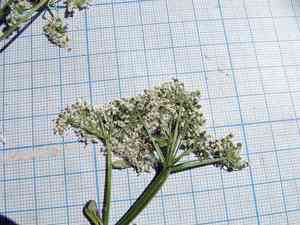
Relocate east asian ostericum during the pleasant period from mid-spring to early summer to facilitate robust root development. Select a location that offers shade and consistent moisture, replicating its natural forest habitat. Important Tip: Verify that the soil drains effectively and contains ample organic material.
Necessary Preparations Before Relocating East Asian Ostericum
Optimal Period for Moving East Asian Ostericum?
The ideal time to move your east asian ostericum is as spring concludes and summer begins. This timeframe offers balanced, moderate temperatures and ample daylight, creating perfect conditions for root establishment and post-transplant recovery for east asian ostericum. Shifting your east asian ostericum during this season aligns with its natural growth cycle, promoting strong development and reducing stress. Seize this opportunity to provide your east asian ostericum with the nurturing environment it needs for a thriving start in its new location.
Required Spacing Between East Asian Ostericum Plants?
When preparing to plant your east asian ostericum, ensure ample room for each specimen to thrive. Position them approximately 18-24 inches (45-60 cm) apart. This spacing allows your east asian ostericum to grow without obstruction and guarantees sufficient air circulation.
Best Soil Blend for East Asian Ostericum Relocation?
Your east asian ostericum will flourish in well-draining soil rich in organic matter. Prior to transplanting, incorporate compost or aged manure to give your plants a strong start. A balanced slow-release fertilizer will aid in establishing your east asian ostericum's roots in their new home.
Preferred Location for Your East Asian Ostericum?
Select a site for your east asian ostericum where it can receive partial to full sunlight. This optimal light exposure will encourage vigorous growth and vitality. Ensure the spot shields the east asian ostericum from intense afternoon sun if you reside in a particularly warm region.
Equipment Needed Before Transplanting East Asian Ostericum
Gardening Gloves
To safeguard your hands while handling soil and the east asian ostericum.
Shovel or Spade
For digging around and beneath the plant's root ball.
Gardening Fork
To loosen the soil and assist in carefully lifting the plant.
Watering Can or Hose
To hydrate the east asian ostericum before removal and after replanting.
Wheelbarrow or Garden Cart
For transporting the east asian ostericum and its surrounding soil.
Pruning Shears
To trim any damaged roots or foliage prior to transplanting.
Trowel
To refine the planting hole or make minor soil adjustments.
How to Extract East Asian Ostericum from the Soil?
How to Extract East Asian Ostericum from the Soil?
From Ground: Begin by moistening the soil around the east asian ostericum with water. Use a shovel or spade to dig a wide circle around the plant, being careful not to cut into the root ball. Gently use a gardening fork or shovel to pry under the root ball and lift the east asian ostericum from the ground.From Pot: Water the east asian ostericum and allow it to drain. Turn the pot on its side and gently tap the sides and bottom to loosen the root ball. Carefully slide the east asian ostericum out of the pot, supporting the plant and its root ball.From Seedling Tray: Water the seedlings beforehand. Use a trowel or your fingers to gently ease the east asian ostericum out of the tray, supporting the root ball and taking care not to harm the roots.
Step-by-Step Guide for Relocating East Asian Ostericum
Excavating the Hole
Dig a hole in the ground that is as deep as the root ball and twice its width. This will provide ample space for the east asian ostericum's roots to spread.
Positioning the Plant
Carefully place the east asian ostericum in the center of the hole. The top of the root ball should be level with the surrounding soil surface.
Backfilling
Refill the hole with the excavated soil, carefully placing soil around the roots of the east asian ostericum. Gently press the soil down to remove air pockets.
Initial Watering
After planting, water the east asian ostericum generously to settle the soil around the roots and supply essential moisture.
Providing Support
If the east asian ostericum is tall or top-heavy, staking may be necessary. Insert the stake into the soil and gently secure the plant to it with garden twine.
Post-Transplant Care for East Asian Ostericum
Consistent Watering
Maintain consistent moisture in the soil around the east asian ostericum, especially during the initial weeks, to aid root establishment.
Mulching
Apply a layer of organic mulch around the base of the east asian ostericum to help retain soil moisture and stabilize soil temperature.
Observation
Regularly inspect the east asian ostericum for indications of stress, such as wilting or discolored leaves, and adjust care as needed.
Gradual Sun Exposure
If the east asian ostericum was previously in a shadier location, gradually introduce it to its new sunlight exposure to prevent shock.
Pruning
Remove any damaged or dead foliage to encourage new growth and help the east asian ostericum direct its energy towards root development.
Addressing Common Issues with East Asian Ostericum Transplantation
How do I determine the correct time to transplant east asian ostericum?
Aim for the ideal period between late spring and early summer when the weather is mild.
What is the optimal spacing for transplanting east asian ostericum?
Allow your east asian ostericums ample room to thrive by spacing them 18-24 inches (45-60 cm) apart.
Can east asian ostericum be transplanted in extremely hot weather?
It's best to avoid intense heat; transplant east asian ostericum during cooler parts of the day.
What soil conditions are beneficial for east asian ostericum after transplanting?
Ensure the soil is well-drained and fertile to promote healthy growth of east asian ostericum.
What depth should the hole be for transplanting east asian ostericum?
Excavate a hole that is twice as wide and the same depth as the root ball.
Is there a specific method for handling east asian ostericum's roots during transplanting?
Gently separate the roots and avoid compressing them in the hole.
How much should I water east asian ostericum immediately after transplanting?
Water thoroughly to settle the soil around the roots, then maintain consistent moisture.
Should I fertilize east asian ostericum right after transplanting?
Wait a few weeks before fertilizing to prevent root burn in your newly transplanted plant.
How can I protect east asian ostericum from transplant shock?
Keep the roots moist, provide shade for a few days, and avoid disturbing the root area.
What signs indicate that east asian ostericum did not transplant successfully?
Observing yellowing leaves, wilting, or stunted growth suggests it's time to re-evaluate care.



