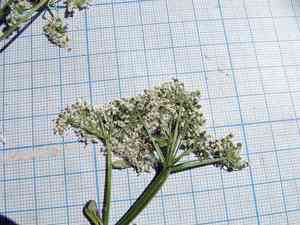
East asian ostericum (Ostericum sieboldii)
Also known as: Siebold's Ostericum, Japanicine
The East Asian ostericum (Ostericum grosseserratum) thrives in forests, ravines, and grassy slopes throughout Korea, Japan, and parts of Russia. This flowering plant yields a green vegetable that is well-regarded in Korean cuisine for its unique flavor. It is often used in various dishes such as salads, soups, and side dishes, where it is typically blanched and seasoned with sesame oil, garlic, and soy sauce, adding both taste and nutritional value.
In This Article
Attributes of East asian ostericum
Lifespan
Perennial
Plant Type
Herb
Plant Height
50 cm to 90 cm
Spread
50-70 cm
Leaf Color
Green
Flower Size
2-3 mm
Flower Color
White
Images of East asian ostericum
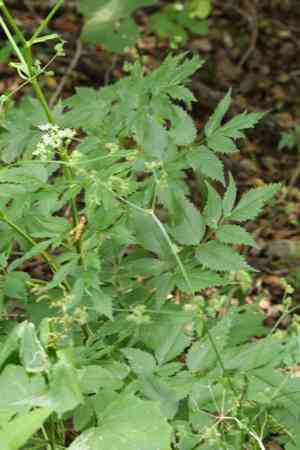
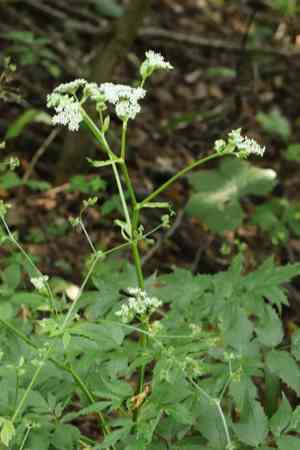
Quickly Identify East asian ostericum
1
Identify Ostericum sieboldii by its compound leaves with serrated edges and its small, white, five-petaled flowers that cluster in umbels. The plant also features a strong anise-like aroma.
Scientific Classification of East asian ostericum
Phylum
Vascular plants
Class
Dicotyledons
Order
Carrots, ivies and allies
Family
Umbellifers
Genus
Ostericum
Species
East asian ostericum
Planting and Growing of East asian ostericum
Care Difficulty
Easy
Watering Schedule
Every 2 days
Sunlight Requirements
Partial sun
Sunshine Duration
6-10 hours
Ideal Temperature
65-75℉
Soil Type
Potting Mix, Peat Mix
Soil pH
6.5-7.5
Fertilizer Type
Balanced
Pruning Season
Spring, Summer
Pruning Area
Branches, Leaves
Pruning Frequency
2 times a year
Repotting Season
Spring
Pot Type
Plastic, Ceramic
 How to Water East asian ostericum?
For Ostericum sieboldii, it's best to water until the top 2 inches of soil are moist but not drenched. This usually means around 500 ml each time to allow the roots adequate hydration without causing waterlogging. Always check the soil moisture before deciding on the quantity.
What are the symptoms of an underwatered East asian ostericum?
›
What should I do if my East asian ostericum is not getting enough water?
›
What are the symptoms of an overwatered East asian ostericum?
›
How to save an overwatered East asian ostericum?
›
 What Are the Sunlight Requirements for East asian ostericum?
Ostericum sieboldii prefers a partial sun exposure. Ideal conditions promote lushness, enhance vigor, and support resistance against pests through optimized light balance.
What is the ideal sunlight condition for Ostericum sieboldii?
›
How can I ensure Ostericum sieboldii receives ideal lighting?
›
What benefits does Ostericum sieboldii gain with ideal lighting?
›
 What Is the Ideal Temperature Range for East asian ostericum?
The ideal temperature range for growing Ostericum sieboldii is between 65°F and 75°F. This range is optimal because it closely simulates the natural growing conditions of the plant, allowing it to thrive and maintain its health. A stable temperature within this range supports both optimal enzymatic activity and nutrient uptake, leading to strong growth and development.
 What Soil is Best for East asian ostericum?
Ostericum sieboldii thrives best in well-drained soil to prevent root rot and ensure proper nutrient uptake. Ample drainage is crucial because it allows excess water to escape, preventing waterlogged conditions that can harm the roots. The plant prefers nutrient-rich soil, which supports its growth and development. Adding organic matter or compost enhances soil fertility, providing essential nutrients that promote lush foliage and healthy root structures. While good drainage is critical, the soil should also retain enough moisture to sustain the plant during dry spells. A sandy loam with some organic matter can help balance moisture retention and drainage, ensuring consistent moisture availability.
 How to Fertilize East asian ostericum?
For Ostericum sieboldii, a moderate amount of fertilizer is key. When using liquid fertilizer, dilute it to half strength to prevent root burn. Apply approximately one tablespoon per gallon of water. For slow-release fertilizer, use about a teaspoon per plant annually.
 How to Prune East asian ostericum?
Begin by carefully examining the plant to identify any stems that appear dead, diseased, or damaged. Removing these ensures the plant can direct its resources towards healthy growth. Focus on cutting back overgrown stems to maintain the desired shape and size of your Ostericum sieboldii. Make sure to cut just above a node to encourage new growth. Gently shape the plant as you prune to create a balanced and aesthetically pleasing structure. This will not only improve its appearance but also allow better air circulation within the plant.
More About Pruning Techniques→
 How to Propagate East asian ostericum plant?
1
Begin by filling seed trays with a high-quality, well-draining potting mix. Sow the seeds about 1/4 inch deep, cover lightly with soil, and water gently to maintain moisture.
2
In early spring, dig up the mature plant using a shovel. Shake off excess soil to expose the roots and rhizomes. Use a sharp knife to divide the plant into smaller sections, ensuring each section has roots attached.
3
Replant the divided sections in well-prepared garden beds or pots filled with rich, well-draining soil. Ensure the transplanted divisions are at the same depth as they were originally.
 How to Repot East asian ostericum plant?
1
Look for signals such as roots growing out of the drainage holes or soil compacted and drying out rapidly. These are signs that your Ostericum sieboldii needs more space or fresh soil nutrients. Ideally, repot in early spring or during autumn to avoid stressing the plant during its most active growth phase in summer.
2
Opt for a pot that is one size larger than its current container, with good drainage holes to prevent waterlogged soil. Ensure the new pot allows room for root expansion. Materials such as terracotta are excellent as they facilitate moisture evaporation and keep the root system healthy.
3
Choose well-draining loamy soil that retains sufficient moisture but also offers good aeration. This types of soil provides the Ostericum sieboldii with necessary nutrients and prevents root rot, promoting healthier growth and maintaining a robust root system.
Learn More About East asian ostericum Diseases
Anthracnose
Bacterial Leaf Spot
Bacterial Soft Rot
Bacterial Wilt
Chemical Injury
Crown Gall
Cyst Nematode
Damping-off
Downy Mildew
Drought Stress
Fusarium Wilt
Gray Mold
Leaf Spot
Mosaic
Nutrient Deficiency
Nutrient Toxicity
Powdery Mildew
Root Rot
Root-knot Nematode
Rusts
Sooty Mold
Spider Mites
Temperature Stress
Thrips Damage
White Mold



