How to Transplant Asian royal fern?
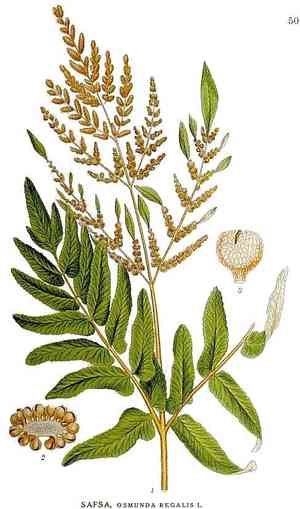
For asian royal fern, relocating them at the start of spring or in the depths of winter is ideal, utilizing their inactive periods to lessen stress. Select a shaded, damp location in your garden to replicate their native habitat. Careful manipulation is crucial for their delicate root structures.
What Preparations are Needed Before Transplanting Asian Royal Fern?
What is the Ideal Time for Transplanting Asian Royal Fern?
The perfect period for relocating asian royal fern to its new spot extends from the start of early spring to the conclusion of late spring. Moving asian royal fern during this revitalizing phase leverages the mild temperatures and abundant rainfall, creating an optimal environment for root development. This timely relocation provides asian royal fern with a strong beginning, taking advantage of the entire growing season, ensuring a lush vitality that is both captivating and lasting. Consider the favorable window from the crisp beginnings of early winter to the calm core of mid-winter. Transplanting asian royal fern in this dormant stage guarantees minimal stress, allowing roots to gradually adjust and build strength for the surge of new growth as spring arrives. Helpful hint: gentle handling and a positive outlook make the transplanting of asian royal fern a rewarding gardening task!
How Much Space Should You Leave Between Asian Royal Fern Plants?
When planning to rehome your asian royal fern, aim for comfortable yet ample spacing. This means approximately 18-24 inches (45-60 cm) apart. This provides each plant sufficient room to expand and flourish without being overcrowded.
What is the Best Soil Mix for Asian Royal Fern Transplanting?
A perfect home for your asian royal fern requires the right soil! Seek fertile, moist, yet well-draining soil. A good amount of compost or a balanced slow-release fertilizer will give your asian royal fern a happy start.
Where Should You Relocate Your Asian Royal Fern?
Your asian royal fern will thrive in a location where it can enjoy partial to full shade. Consider it their personal sanctuary from the sun's most intense rays. An ideal spot is beneath the filtered light of trees or on the northern side of structures.
What Equipments Should You Prepare Before Transplantation Asian Royal Fern?
Gardening Gloves
To safeguard your hands while handling soil and plants.
Shovel or Spade
For excavating the plant from its original position.
Garden Fork
To gently loosen the soil around the plant's roots without causing excessive harm.
Watering Can or Hose
To hydrate the plant before and after the relocation process.
Shears or Pruning Scissors
To trim any damaged or overly long roots.
Wheelbarrow or Plant Sled
To move the asian royal fern from its initial spot to the new location.
Organic Mulch
To aid in retaining soil moisture and regulating soil temperature post-transplant.
How Do You Remove Asian Royal Fern from the Soil?
How Do You Remove Asian Royal Fern from the Soil?
From Ground: First, hydrate the asian royal fern to moisten the soil. Next, use a shovel or spade to dig a wide circle around the plant, being careful to preserve the root ball. Gently slide the spade beneath the root ball and carefully lift the plant from the ground.From Pot: Water the asian royal fern to facilitate the root ball's removal. Tilt the pot sideways and gently tap or squeeze it to loosen the plant. Slowly extract the plant by supporting its base and carefully pulling it out.From Seedling Tray: Thoroughly dampen the soil in the tray. Carefully ease each asian royal fern out of its cell, supporting the root ball to prevent damage.
Step-by-Step Guide for Transplanting Asian Royal Fern
Preparation
Prepare the new planting area by loosening the soil to a depth of at least 12 inches. This will ensure good soil aeration for root development.
Root Inspection
Examine the asian royal fern's roots, trimming any broken or injured parts with pruning scissors. This helps encourage new root growth after transplanting.
Placing the Plant
Dig a hole in the ground wide enough to accommodate the asian royal fern's root ball. The depth should allow the plant to sit at its previous growing level.
Plant Positioning
Carefully place the asian royal fern into the hole, ensuring the top of the root ball is flush with the surrounding soil surface.
Backfilling
Fill the hole with soil, gently tamping down around the roots to eliminate any air pockets. Water the plant thoroughly to settle the soil around the roots.
Mulching
Apply a layer of organic mulch around the base of the asian royal fern, leaving some space around the stem to prevent rot. Mulch will help maintain soil moisture and protect the roots from temperature extremes.
How Do You Care For Asian Royal Fern After Transplanting?
Watering
Water the asian royal fern deeply after transplanting and continue to provide consistent moisture while the plant adjusts. Avoid overwatering to prevent root rot.
Mulching
Replenish the mulch layer periodically to maintain its effectiveness in retaining soil moisture and suppressing weeds.
Pruning
Remove any dead or damaged fronds to promote fresh growth and maintain the plant's health.
Monitoring
Watch for signs of transplant shock, such as wilting or yellowing leaves, and respond with appropriate care.
Troubleshooting Common Issues with Asian Royal Fern Transplantation.
How do I know the best time to transplant asian royal fern?
Relocate asian royal fern during the transitional seasons, ideally from early spring to late spring or from early winter to mid-winter.
What spacing is recommended between transplanted asian royal fern?
For optimal development, space asian royal fern approximately 18-24 inches (45-60 cm) apart.
What soil preparation is needed for asian royal fern transplant?
Cultivate the soil and enrich it with compost to ensure it is moist and nutrient-rich for asian royal fern's roots.
How much should I water asian royal fern after transplanting?
Water asian royal fern generously post-transplant to settle the soil and minimize transplant shock, then continue with moderate irrigation.
What is the ideal soil pH for transplanting asian royal fern?
Aim for a slightly acidic to neutral soil pH (6.0-7.0) when relocating asian royal fern.
What sunlight conditions do asian royal fern require after transplant?
Position asian royal fern in partial shade to shield it from intense sunlight and aid acclimatization.
How deep should the planting hole be for asian royal fern?
Dig a hole twice as wide and of the same depth as the root ball of asian royal fern for proper planting.
Should I fertilize asian royal fern right after transplanting?
Wait a few weeks before applying fertilizer to allow asian royal fern to establish in its new location.
My asian royal fern looks wilted after transplant; what should I do?
Ensure you're providing sufficient water and that the plant is partially shaded. Wilting should improve as asian royal fern adapts.
How can I prevent transplant shock in asian royal fern?
Avoid disturbing the roots, water thoroughly, and provide shade to reduce stress and prevent shock.



