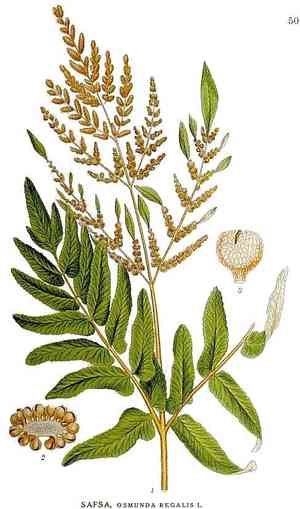
Asian royal fern (Osmunda japonica)
Also known as: Japanese royal fern
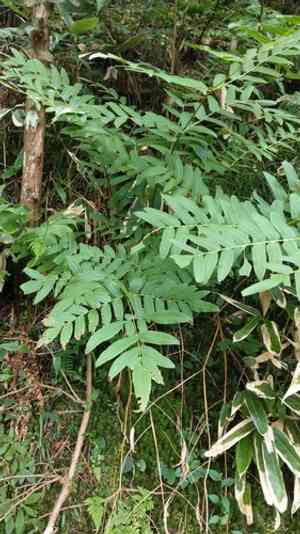
The Asian royal fern, native to various regions, is gaining popularity as a garden plant worldwide. When young, its sprouts are covered with wool-like fibers. In the fall, the fern's fronds turn a striking yellow before they eventually wither and drop.
In This Article
Attributes of Asian royal fern
Lifespan
Perennial
Plant Type
Fern
Plant Height
46 cm to 91 cm
Spread
90 cm
Leaf Color
Green
Flower Size
N/A
Flower Color
N/A
Images of Asian royal fern
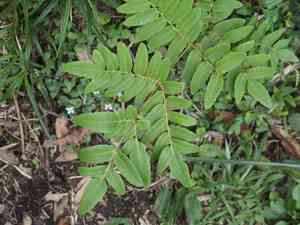
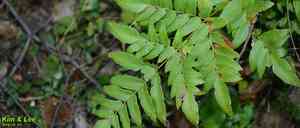
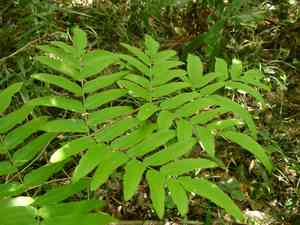
Quickly Identify Asian royal fern
1
Look for clumps of tall, upright fronds with a distinctly bipinnate structure. The fertile fronds can be distinguished by their spore-bearing structures, which are brown and appear in the center of the clump.
Scientific Classification of Asian royal fern
Phylum
Vascular plants
Class
Ferns
Order
Osmundales
Family
Royal fern
Genus
Osmunda
Species
Asian royal fern
Planting and Growing of Asian royal fern
Care Difficulty
Easy
Watering Schedule
Every 8 days
Sunlight Requirements
Partial sun
Sunshine Duration
4-8 hours
Ideal Temperature
60-75℉
Soil Type
Potting Mix, Peat Mix
Soil pH
5.5-6.5
Fertilizer Type
Balanced
Pruning Season
Spring, Summer
Pruning Area
Branches, Leaves
Pruning Frequency
2 times a year
Repotting Season
Spring
Pot Type
Plastic, Ceramic
 How to Water Asian royal fern?
Osmunda japonica enjoys a moderate amount of moisture. You should aim for about 200ml per watering session, ensuring the soil is evenly moist but not waterlogged. The goal is to replicate its natural habitat of wetlands, so the soil should remain consistently moist without having standing water.
What are the symptoms of an underwatered Asian royal fern?
›
What should I do if my Asian royal fern is not getting enough water?
›
What are the symptoms of an overwatered Asian royal fern?
›
How to save an overwatered Asian royal fern?
›
 What Are the Sunlight Requirements for Asian royal fern?
Osmunda japonica thrives best in partial sun conditions, reflecting its forest understory origins. Correctly managing this light range ensures vibrant frond development and overall plant vitality, mimicking its native growing conditions.
More About Sunlight Requirements Techniques→
What is the ideal sunlight for Osmunda japonica?
›
How do I adjust lighting for growth in different seasons?
›
What are the benefits of providing ideal light conditions?
›
 What Is the Ideal Temperature Range for Asian royal fern?
The ideal temperature range for Osmunda japonica cultivation is between 60°F and 75°F. This range ensures optimal growth and development, providing suitable conditions for photosynthesis and nutrient uptake. The plant thrives in environments that replicate its natural habitat, which consists of cool to moderately warm temperatures, avoiding the stress of extreme cold or heat.
 What Soil is Best for Asian royal fern?
Osmunda japonica thrives in well-draining soils that allow water to percolate efficiently. This helps prevent root rot and supports healthy fern frond development, giving the plant a lush and vibrant appearance. This plant benefits from soils that retain moisture, allowing it to sustain its hydration needs, especially in warmer climates. Moisture-retentive properties ensure the plant remains vigorous and reduces the risk of wilting. Nutrient-rich soils provide essential minerals and organic matter, ideal for robust growth. Such conditions promote the fern's overall health, enhancing its resilience against pests and diseases.
 How to Fertilize Asian royal fern?
For Osmunda japonica, use a balanced liquid fertilizer at half strength. Pour enough to evenly soak the root zone, typically about 200 ml per medium-sized plant during the growing season.
 How to Prune Asian royal fern?
Begin by examining the fern for any fronds that are discolored, damaged, or dead. These fronds can sap resources from the healthier parts of the plant, so it's crucial to remove them for overall vitality. Ensure that your tools are clean and sterilized before pruning. This prevents the transmission of diseases that could harm Osmunda japonica. Use a simple solution of one-part bleach to ten parts water to sterilize your tools. For the best results, make your cuts at the base of the frond stem. Use sharp pruning shears to obtain a clean cut. Avoid tearing the fronds as it can cause damage to the plant's base.
More About Pruning Techniques→
 How to Propagate Asian royal fern plant?
1
Harvest spores from mature fronds during late summer. Once collected, allow them to dry naturally before sowing in seed trays filled with a peat-based medium.
2
Maintain a consistent temperature around 18-22°C and ensure the medium is kept moist but not waterlogged. Mist regularly to prevent drying out.
3
Using a sharp knife or spade, divide mature rhizomes ensuring each section has at least two growth points. Replant immediately in a well-draining medium.
 How to Repot Asian royal fern plant?
1
For Osmunda japonica, the best signal for repotting is observed when the roots start peeking through the drainage holes or when the fern appears to be stunted. Spring or Autumn is ideal because the plant is in its active growth phase, making it less stressful for a transplant.
2
Select a pot that is 1-2 inches larger in diameter than the current one to allow ample room for growth. Ensure it has good drainage holes to prevent waterlogging, which can lead to root rot. The pot should be sturdy enough to support the plant's weight.
3
Opt for a loamy, well-draining soil mix, incorporating a bit of organic matter. This type of soil mimics its natural habitat, allowing for adequate moisture retention while preventing over-saturation, thus fostering healthy root development.



