How to Transplant Asian Rice?
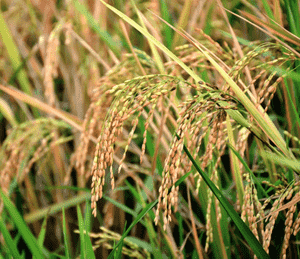
The optimal period for relocating asian Rice is at the commencement of the cultivation cycle, utilizing the temperate weather for root development. Choose a brightly lit, well-draining site. Careful manipulation guarantees asian Rice's fragile root system flourishes after transplantation.
What Preparations are Needed Before Transplanting Asian Rice?
What is the Ideal Time for Transplanting Asian Rice?
The start of the growing season, often marked by a gentle increase in temperature, offers an optimal period for transplanting asian Rice. This time encourages strong growth and root establishment, enhancing the plant's health. By transplanting during this season, asian Rice benefits from balanced temperatures and increasing daylight, boosting its chances for robust development. Seizing this favorable time can lead to a plentiful harvest, as asian Rice can fully utilize the growing season's advantages, solidifying your efforts in its early growth stages.
How Much Space Should You Leave Between Asian Rice Plants?
When relocating your asian Rice, it's crucial to provide ample room for development. Position each plant approximately 6-8 inches (15-20 cm) apart. This spacing facilitates proper air circulation and promotes vigorous growth.
What is the Best Soil Mix for Asian Rice Transplanting?
Your asian Rice thrives in loamy or clay soil, rich in organic material. Before transplanting, incorporate organic compost or a balanced base fertilizer into the soil to ensure a nourishing start for your plant.
Where Should You Relocate Your Asian Rice?
For optimal outcomes, select a sunny spot for your asian Rice. They require at least 6 hours of direct sunlight daily. Remember to avoid excessively shaded areas when choosing your transplanting site.
What Equipments Should You Prepare Before Transplantation Asian Rice?
Gardening Gloves
To safeguard your hands while handling the soil and asian Rice plant.
Spade or Shovel
These tools will be used for excavating the hole in your garden where the asian Rice will be replanted.
Watering Can
This will be necessary to ensure adequate hydration before and after the transplanting procedure.
Wheelbarrow or Container
Useful for transporting the asian Rice plant from its original spot to the new location.
Measuring Tape
To accurately define the width and depth of the hole.
Seedling Tray (Optional)
Some cultivators find it advantageous to use a seedling tray for initiating their asian Rice seeds.
How Do You Remove Asian Rice from the Soil?
How Do You Remove Asian Rice from the Soil?
From Ground: Before extracting the asian Rice plant, it's essential to water it to loosen the soil. The gardener should then dig a wide circle around the plant, being careful to keep the root ball intact. Its width should ideally be 1.5 times the size of the root ball. The spade should be carefully worked beneath the root ball, and the plant gently lifted from the ground.From Pot: If the asian Rice plant has been cultivated in a pot, begin by watering the soil. This makes plant removal easier. The plant should be gently tilted on its side, after which the gardener will need to gently pull at the plant's base. Be cautious not to pull too forcefully as it may harm the roots. If the plant seems stuck, try sliding a knife or any flat object around the inner edges of the pot.From Seedling Tray: Start by watering the asian Rice seedlings. Then, the seedling plugs can be carefully extracted by pushing up from the bottom. Handle the seedlings by their leaves, as touching the stem might cause damage.
Step-by-Step Guide for Transplanting Asian Rice
Identify Location
Select a suitable spot in your garden where the asian Rice will have ample room to grow without interference from other plants, free from the risk of being stepped on.
Size and Dig Hole
Measure the planting area considering the size of the asian Rice root ball plus some extra space for roots to comfortably spread. Then excavate a hole about twice the width and the same depth as the root ball.
Prepare the asian Rice plant
The plant should be prepared by gently separating the roots from the bottom and sides of the root ball, removing any tangled or circling roots.
Transplant
Position the asian Rice in the center of the hole. Backfill the hole, firming it slightly to ensure the plant stands upright.
Establish
Water the asian Rice plant immediately after transplanting to help it settle into the soil.
How Do You Care For Asian Rice After Transplanting?
Regular Check-ups
After the transplanting process, it's advisable to closely monitor the asian Rice plant for the initial few weeks, looking for signs of transplant shock which may include leaf drop or changes in leaf color.
Watering
Water thoroughly after transplanting. Then continue to water regularly, but avoid overwatering as this can lead to root rot.
Pruning
Do not prune immediately after transplanting as the asian Rice plant needs all its leaves to produce food. If necessary, pruning can be done once the plant has fully recovered and resumed growth.
Protecting
If transplanting occurred during a period of high temperature, the asian Rice plant needs to be shielded from the midday sun for the first week or two.
Troubleshooting Common Issues with Asian Rice Transplantation.
When should I transplant asian Rice?
The optimal time to transplant asian Rice is during S1. This improves the plant's ability to adapt and thrive successfully.
How much spacing is required when transplanting asian Rice?
Space your asian Rice approximately 6-8 inches (15-20 cm) apart. Adequate spacing promotes proper growth and airflow, reducing the potential for disease.
What to do if the asian Rice appears to wilt after transplanting?
Transplantation can be stressful for asian Rice. Ensure sufficient watering, but avoid waterlogging. Consistent yet moderate watering aids recovery.
Why are my transplanted asian Rice turning yellow?
Yellowing leaves might indicate overwatering, nutrient deficiency, or disease. Check soil moisture and consider a balanced fertilizer.
How can I ensure the roots of asian Rice take properly after transplanting?
Gently loosen the roots before planting and ensure the root ball is fully covered with soil. Keep the soil moist but not saturated.
Some of my asian Rice died shortly after transplanting. Why?
Sudden plant death could be due to transplant shock, incorrect planting depth, or pests. Examine your plant and its environment to determine the potential cause.
What's the best soil for transplanting asian Rice?
Asian Rice prefers well-drained, fertile soil with a pH value of 6.5-7.0. Organic matter can be added to enrich its nutrient content.
My asian Rice growth seems stunted after transplanting, why?
Factors such as insufficient spacing, lack of nutrients, and inadequate watering could contribute to stunted growth. Review these aspects and adjust your care routine.
Can I transplant asian Rice in containers?
Yes, asian Rice can be grown in containers. However, choose a deep container to accommodate its root system and allow 6-8 inches (15-20 cm) spacing.
Why are the leaves of my asian Rice curled after transplanting?
Curling leaves might suggest a pest infestation or water stress. Check for insects and ensure proper watering. Pesticides may be necessary if pests are detected.



