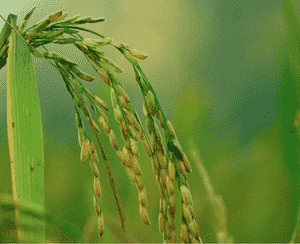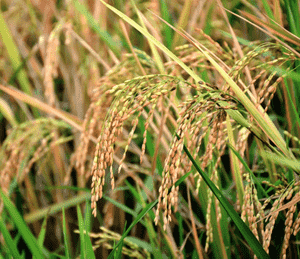
Asian Rice(Oryza sativa)

Asian Rice (Oryza sativa)

Also known as: Common rice, Asian rice

Asian rice is a crucial global crop, first domesticated in China centuries ago. It forms a major part of the diet for nearly half the world's population. Beyond its role as a staple food, rice has various other applications:

1. **Oil Production**: Rice bran oil, derived from the outer layer of the grain, is popular in cooking and skincare products.
2. **Animal Nutrition**: Rice bran and broken rice serve as valuable components in animal feed.
3. **Craft Materials**: Rice straw is utilized in making traditional crafts, paper, and packaging.
4. **Beverages**: Rice is fermented to create drinks like sake and rice wine.
5. **Flour**: Ground rice is used to produce rice flour, a key ingredient in gluten-free diets.
6. **Energy Source**: Rice husks are employed in generating bioenergy.
7. **Medicinal Uses**: Certain traditional medicines incorporate rice.

These varied uses underscore the versatility and importance of rice beyond just being a dietary staple.

Attributes of Asian Rice

Lifespan
Annual, Perennial
Plant Type
Herb
Plant Height
75 cm
Spread
30 cm
Leaf Color
Green
Flower Size
N/A
Flower Color
Yellow White Green

ForwardPlant - Identify plants with a snap

Identify and diagnose plants, get toxicity alerts, and explore safety guides for all types of fungi.

Try for Free

Images of Asian Rice

Asian Rice(Oryza sativa)

Quickly Identify Asian Rice

1
Look for a grass-like plant with long, slender leaves and small, clustered flowers or grains at the top. The grains typically have a husk that needs to be removed.

Scientific Classification of Asian Rice

Phylum
Vascular plants
Class
Monocotyledons
Order
Poales
Family
Grass
Genus
Rice
Species
Asian Rice

Planting and Growing of Asian Rice

Care Difficulty
Easy
Watering Schedule
Every 8 days
Sunlight Requirements
Full sun
Sunshine Duration
6-10 hours
Ideal Temperature
75-86℉
Soil Type
Potting Mix, Peat Mix
Soil pH
5-8
Fertilizer Type
Balanced
Pruning Season
Spring, Summer
Pruning Area
Branches, Leaves
Pruning Frequency
2 times a year
Repotting Season
Spring
Pot Type
Plastic, Ceramic

water icon How to Water Asian Rice?

Oryza sativa, commonly known as rice, thrives in consistently wet conditions, mimicking the flooded fields of paddy farming. Aim to provide around 500 ml of water per session, ensuring the soil is thoroughly soaked without leaving it waterlogged. The key is to maintain an even level of moisture, akin to keeping a sponge damp.
What are the symptoms of an underwatered Asian Rice?
What should I do if my Asian Rice is not getting enough water?
What are the symptoms of an overwatered Asian Rice?
How to save an overwatered Asian Rice?

sunlight icon What Are the Sunlight Requirements for Asian Rice?

Sunlight Requirements: Full sun
Duration of light: 6 to 8 hours
Oryza sativa thrives best under full sun conditions, benefiting significantly from ample light. This exposure enhances photosynthesis, vital for robust growth and high-yield production, ensuring the plant's health and productivity.
Optimal Sun Exposure
Managing Light Intensity
Seasonal Light Variations
More About Sunlight Requirements Techniques

temperature icon What Is the Ideal Temperature Range for Asian Rice?

Ideal Temperature: 75 ~ 86℉
Oryza sativa thrives best in temperatures ranging from 75°F to 86°F. These conditions ensure optimal photosynthesis and growth rate, leading to a healthy and productive plant. Consistent temperatures in this range contribute significantly to the efficiency of water use and nutrient uptake, ultimately enhancing yield.

soil icon What Soil is Best for Asian Rice?

Soil type: Loam, Clay soil, Acidic soil
Soil PH: 5 ~ 8
Oryza sativa, commonly known as rice, thrives in soils that can retain water effectively. This requirement is crucial because rice is typically grown in flooded conditions, which help suppress weeds and support robust growth. Nutrient-rich soil is essential for the growth of Oryza sativa. High levels of nitrogen, phosphorus, and potassium contribute to healthy plant development, leading to increased yield and better crop quality. While rice requires waterlogged conditions, good drainage is necessary between growth cycles to prevent root diseases. This careful balance guards against nutrient leaching and supports sustained productivity.

fertilize icon How to Fertilize Asian Rice?

Fertilizer type: Balanced
For Oryza sativa, a balanced nutrition approach is vital. Use 50-60 kg of Nitrogen, 30-40 kg of Phosphorus, and 30-40 kg of Potassium per hectare during its growing season. Adjust the quantities based on soil tests to avoid underfeeding or overfeeding.

prune icon How to Prune Asian Rice?

Pruning Time: Summer
Begin by identifying and cutting back excessive tillers that may be crowding the plant. This process involves gently parting the plant to assess the number of tillers and remove the weakest or unnecessary ones. Always use clean and sharp pruning shears to make precise cuts. This prevents the spread of disease and ensures clean cuts that can heal quickly without causing damage to the plant. After pruning, collect and dispose of the cut tillers away from the growing area. This reduces the risk of pest infestation and disease affecting the remaining healthy plant.

propagate icon How to Propagate Asian Rice plant?

Propagate Time: Spring, Early spring, Late spring
1
Choose high-quality, disease-free rice seeds for better germination rates and healthier plants. Inspect seeds for any visible damage or signs of pests.
2
Fill the seed trays with a fine, well-draining soil mix. Ensure the soil is moist before sowing the seeds, as rice seeds require ample moisture to germinate effectively.
3
Distribute the seeds evenly over the surface of the soil in the seed trays. Lightly cover the seeds with a thin layer of soil to protect them from drying out and to encourage successful germination.
More About Propagating Techniques

repot icon How to Repot Asian Rice plant?

Repotting frequency: Once every 2-3 years
1
Repotting Oryza sativa is essential when you notice the roots beginning to circle the pot's edges, or water is taking excessively long to drain. Springtime, just before the active growing season, is the ideal moment to repot, providing the plant with fresh nutrients for robust growth.
2
Select a pot that is one size larger than the current one, ensuring it has drainage holes to prevent waterlogging. A slightly larger pot will allow for necessary root expansion, ensuring the plant's health and avoiding stagnant water, which can lead to root rot.
3
Opt for a loamy, well-draining soil mix to support the plant's growth. This type of soil offers a balance of moisture retention and drainage, providing essential nutrients and avoiding issues like water retention that can harm the roots.

ForwardPlant - Identify plants with a snap

Find the best spots for them to optimize their health, simply using your phone.

Try for Free