How to Transplant Wild basil?
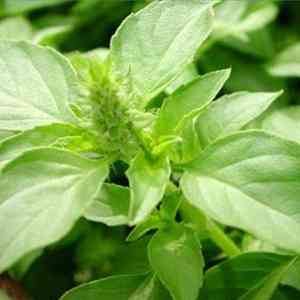
The most favorable period for relocating wild basil is from early to mid-summer, as elevated temperatures foster root growth without the strain of intense heat. Select a bright spot with soil that drains effectively. If required, provide consistent irrigation post-transplant to assist with adaptation.
What Preparations are Needed Before Transplanting Wild Basil?
What is the Ideal Time for Transplanting Wild Basil?
The optimal period to move wild basil is during the peak of summer warmth. This timeframe, covering early to mid-summer, ensures vigorous development due to favorable temperatures. Relocating wild basil in this season allows it to settle in warm soil, fully utilizing the long days and prime growth conditions. A friendly reminder, your wild basil will reward you with flourishing foliage and richer tastes if transplanted when the sun's warmth is just right!
How Much Space Should You Leave Between Wild Basil Plants?
When planting wild basil, grant it the room it requires. Mark your planting spots approximately 2-3 feet (60-90 cm) apart. This provides each plant sufficient area to expand and thrive without competing for resources. Additionally, your garden will appear neat and well-maintained. Best of luck!
What is the Best Soil Mix for Wild Basil Transplanting?
Your wild basil will flourish in fertile, well-drained soil. Prior to planting, enrich your soil with a generous quantity of compost or aged manure. This serves as a slow-release fertilizer, supplying the nutrients your wild basil needs to prosper. Happy gardening!
Where Should You Relocate Your Wild Basil?
Locate a sunny spot in your garden for wild basil. It thrives with a minimum of 6 hours of sunlight daily. A bit of morning shade can be beneficial, but ensure it receives ample afternoon sun for its best development. Here's to greener thumbs!
What Equipments Should You Prepare Before Transplantation Wild Basil?
Gardening Gloves
To safeguard your hands while handling the plant and soil.
Spade or Shovel
These implements are used for excavating a broad trench around the wild basil in its initial location and are also necessary for digging the transplant hole.
Garden Trowel
This tool is suitable for lifting smaller plants or young sprouts and can be utilized to fill the transplant hole with soil.
Watering Can or Hose with Sprinkler
Required for hydrating the wild basil plant before and after the transplant to ensure its continued health.
Measuring Tape or Ruler
Helps to guarantee appropriate spacing between plants and correct hole depth.
Organic Compost
To incorporate if the soil lacks essential nutrients, and to stimulate new growth of wild basil.
Mulch
Aids in retaining moisture and inhibiting weed growth after transplanting.
How Do You Remove Wild Basil from the Soil?
How Do You Remove Wild Basil from the Soil?
From Ground: Begin by watering the wild basil plant to moisten the soil. This facilitates digging and reduces stress on the plant. Use a spade or shovel to dig a wide trench around wild basil, ensuring the plant's root ball remains intact. Gently work the spade beneath the root ball and carefully lift the plant.From Pot: Start the process by watering the wild basil plant. Invert the pot while gently supporting the plant's stems, tap the bottom of the pot to release the plant. If it remains lodged, use a trowel to separate the soil from the pot's inner edge.From Seedling Tray: Water the wild basil plant. Carefully extract the seedling by pushing it up from the tray's bottom. Be cautious not to harm the roots or stem during removal.
Step-by-Step Guide for Transplanting Wild Basil
Preparation
Wear your gloves to protect your hands and get your tools ready. Prepare your garden bed or container by removing all weeds and ensuring there are no large clumps that could impede root growth. Measure the depth and width of the hole; it should be twice as wide and the same depth as the wild basil root ball.
Root Care
The roots should not be crushed, tangled, or dry. Gently spread out the roots if they are compacted. Trim any broken or dead roots.
Planting
Hold wild basil at ground level; planting it too deeply can lead to root rot. Fill the hole, making sure soil gets in between the roots but avoid heavy compaction.
Watering
Water the wild basil immediately after planting. Use your watering can or hose with a gentle sprayer to prevent dislodging the plant or soil.
How Do You Care For Wild Basil After Transplanting?
Monitoring Growth
Observe the wild basil's development. Persistent wilting after a few days or yellowed leaves may signal that the plant is under stress.
Watering
Maintaining consistent moisture for wild basil is crucial for establishing new roots. Check the soil's hydration level and irrigate as needed.
Mulching
Apply a layer of mulch around the base of the wild basil. This will help retain soil moisture and inhibit the growth of weeds.
Protecting
Shield the wild basil from harmful pests using eco-friendly pest control solutions.
Pruning
Trim any dead or dying leaves, which allows the plant to direct energy towards establishing new roots.
Troubleshooting Common Issues with Wild Basil Transplantation.
When is the best time to transplant wild basil?
The optimal period to transplant wild basil is during the late spring to early summer months. This provides the plant ample time to establish roots before the onset of colder weather.
How can I ensure my transplanted wild basil survives the new environment?
Firstly, prepare the site correctly—ensuring it's well-drained. Then, keep the root system moist and apply a layer of mulch after planting. Monitor the plant regularly and water when necessary.
What's the recommended spacing for transplanting wild basil?
The suggested spacing for wild basil is approximately 2-3 feet (60-90cm) apart. This allows sufficient room for each plant to grow and thrive without overcrowding.
How deep should I plant transplanted wild basil?
Wild basil should be planted at the same depth as the root ball in its previous container to prevent stem rot. The top of the root ball should be just below ground level.
What kind of soil is suitable for transplanting wild basil?
Wild basil prefers well-drained, nutrient-rich soil. A pH of 6-7 is ideally suited for this plant. You can enhance the soil by incorporating compost before planting.
What problems might I encounter when transplanting wild basil?
Common issues include incorrect spacing, excessive watering, and late transplanting. These can lead to wilting, lack of growth, or death of the plant. Ensure proper care and timely intervention.
Do I need to do anything to the wild basil before transplanting?
Yes, it's advisable to water wild basil thoroughly a day before the transplant. This ensures the plant is well-hydrated and reduces shock during the transplant process.
How much sunlight does transplanted wild basil need?
Wild basil prefers full sun exposure to partial shade. Ensure your transplant location receives at least 6 hours of daylight for the plant's optimal growth.
How will I know if my transplanted wild basil is healthy?
A healthy transplanted wild basil will exhibit vigorous growth, and its leaves will be a vibrant green. If you notice yellow or wilting leaves, it might indicate an issue.
What should I do if my transplanted wild basil starts to wilt?
If your transplanted wild basil begins to wilt, it may be due to over or under watering, or high stress from the transplant. Try adjusting your watering routine and observe the plant closely.



