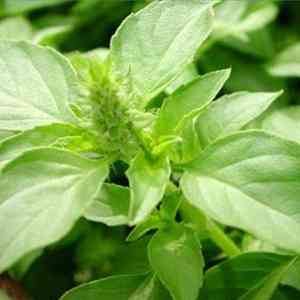
Wild basil (Ocimum americanum)
Also known as: Hoary basil, Hairy basil, American basil
*Ocimum americanum* is commonly referred to as either "American basil" or "hoary basil."
In This Article
Attributes of Wild basil
Lifespan
Annual, Perennial
Plant Type
Herb
Plant Height
50 m
Spread
35 m
Leaf Color
Green
Flower Size
0.5-1 cm
Flower Color
White Blue Violet
Images of Wild basil
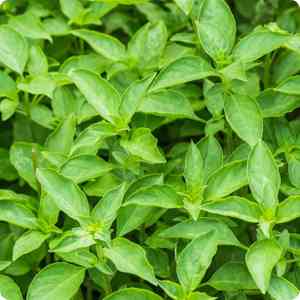
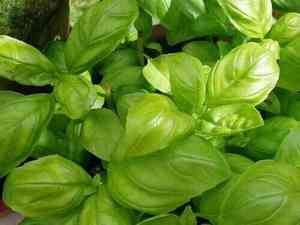
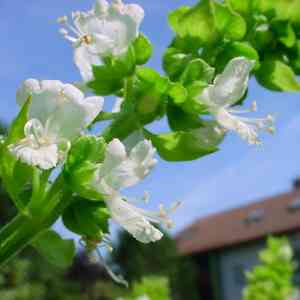
Quickly Identify Wild basil
1
Ocimum americanum can be identified by its square stems, aromatic leaves which are lance-shaped with a slightly hairy surface, and white or pink flowers that appear in spikes.
Scientific Classification of Wild basil
Phylum
Vascular plants
Class
Dicotyledons
Order
Lamiales
Family
Mint
Genus
Ocimum
Species
Wild basil
Planting and Growing of Wild basil
Care Difficulty
Easy
Watering Schedule
Every 3 days
Sunlight Requirements
Full sun
Sunshine Duration
4-8 hours
Ideal Temperature
70-85℉
Soil Type
Potting Mix, Peat Mix
Soil pH
6.5-7.5
Fertilizer Type
Balanced
Pruning Season
Spring, Summer
Pruning Area
Branches, Leaves
Pruning Frequency
Once a year
Repotting Season
Spring
Pot Type
Plastic, Ceramic
 How to Water Wild basil?
For Ocimum americanum, it is crucial to ensure that the soil remains consistently moist but not waterlogged. Aim to provide about 250 ml of water per session, ensuring that the water penetrates about an inch deep. This ensures that the plant's extensive root system has adequate access to moisture, without causing water pooling that can lead to root rot.
What are the symptoms of an underwatered Wild basil?
›
What should I do if my Wild basil is not getting enough water?
›
What are the symptoms of an overwatered Wild basil?
›
How to save an overwatered Wild basil?
›
 What Are the Sunlight Requirements for Wild basil?
Ocimum americanum ideal light is full to partial sun, with 6-8 hours of light daily providing sufficient energy for optimal growth. This ensures vibrant color, robust growth, and maximum oil production.
What is the best sunlight condition for Ocimum americanum?
›
How can I achieve ideal sunlight conditions for my plant?
›
What are the benefits of ideal lighting conditions?
›
 What Is the Ideal Temperature Range for Wild basil?
Ocimum americanum thrives best when grown in environments where temperatures consistently range from 70°F to 85°F. This ideal temperature range ensures the plant can photosynthesize efficiently while minimizing stress. Optimal temperatures promote robust growth and maximize both leaf production and essential oil content, crucial for basil's aromatic properties.
 What Soil is Best for Wild basil?
Ocimum americanum thrives in well-draining soil, which prevents water from pooling around the roots. This is essential to avoid root rot, ensuring your plant remains healthy and vigorous. This plant benefits from a nutrient-rich soil, providing the necessary minerals for optimal growth. Use compost or well-rotted manure to enrich the soil, boosting leaf production and overall plant health. While drainage is important, the soil should retain some moisture. Sandy loam balances both drainage and moisture retention, crucial for Ocimum americanum, facilitating steady water supply without causing saturation.
 How to Fertilize Wild basil?
Ocimum americanum requires moderate fertilizing to thrive. For liquid fertilizers, use a diluted solution at half the manufacturer's recommended strength to prevent root burn. About 100 ml per plant is sufficient. For solid fertilizers, a small handful per plant, approximately 25 grams of a balanced all-purpose garden fertilizer, will help maintain optimal growth.
 How to Prune Wild basil?
Start by identifying the shoots that need trimming. Focus on removing the tips of the stem, which promotes lateral growth. This not only helps the plant to become bushier but also improves air circulation, reducing the risk of fungal infections. Make cuts just above a node where leaves or buds emerge, using sharp scissors or pruning shears. Cutting at the right spot encourages new growth and prevents unnecessary damage to the plant, ensuring it remains healthy and vibrant. Properly dispose of any removed plant material, especially if it's diseased. Compost healthy trimmings to recycle nutrients back to the garden. Always avoid leaving cuttings on the ground as they can attract pests or harbor diseases.
More About Pruning Techniques→
 How to Propagate Wild basil plant?
1
Fill the seed tray with a fine seed-starting mix. Moisten the mix before sowing seeds to ensure it is evenly damp but not waterlogged. Level the surface slightly by patting down lightly with your fingers.
2
Sow Ocimum americanum seeds sparsely on the surface of the moist soil mix. Do not cover the seeds too deeply; a light dusting of soil over the top will suffice. Seeds require light to germinate efficiently.
3
Select healthy, non-flowering stems from the Ocimum americanum plant. Cut a section about 4-6 inches long, just below a node. Strip the lower leaves, leaving the top few for photosynthesis.
 How to Repot Wild basil plant?
1
Ocimum americanum needs repotting when you notice roots extending out of the pot's drainage holes or when growth appears stunted. Spring and summer are ideal seasons as the plant is in an active growth phase, adapting better to new soil.
2
Choose a pot slightly larger than the current one, ideally 1-2 inches more in diameter. Ensure the pot has adequate drainage holes. A slightly larger pot promotes root expansion and reduces waterlogging, enhancing plant health.
3
Select a well-draining potting mix, preferably enriched with organic matter. Such soil ensures good aeration and prevents root rot, helping Ocimum americanum thrive and grow vigorously in its new environment.



