How to Transplant Nipa palm?
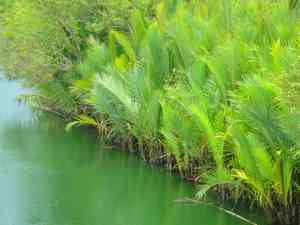
The optimal period for transplanting nipa palm is in the robust phase of early to mid-spring, which guarantees superior establishment. Choose a location offering abundant moisture and dappled sunlight. Bear in mind that careful management of the root system ensures successful development post-relocation.
Essential Preparations Before Relocating Nipa Palm
Optimal Period for Nipa Palm Relocation?
The arrival of warmer weather in early to mid-spring presents the ideal window for moving nipa palm. This timeframe encourages nipa palm's recovery and development, leveraging extended daylight and moderate precipitation to aid root establishment. Transplanting nipa palm during this period maximizes its resilience, utilizing the season's stable conditions that foster robust, healthy nipa palm specimens.
Recommended Spacing Between Nipa Palm Plants?
Hello, it's great to see your interest in gardening. For nipa palm, aim for ample spacing—approximately 6-8 feet or 1.8-2.4 meters between each plant. This will provide nipa palm with the necessary room to thrive beautifully!
Best Soil Mixture for Nipa Palm Transplanting?
For optimal outcomes, utilize water-saturated, nutrient-rich, and organic soil for nipa palm. Incorporate a small amount of slow-release base fertilizer, which benefits nipa palm's initial growth phase. Ensure it is thoroughly mixed into the soil.
Where to Replant Your Nipa Palm?
Regarding placement, your nipa palm prefers sunlight but also appreciates partial shade. Therefore, select a spot where it will receive ample morning or late afternoon sun, while avoiding intense midday rays.
Equipment Needed Before Transplanting Nipa Palm
Gardening Gloves
To safeguard your hands while handling soil and plants.
Garden Shovel or Spade
For excavating around the nipa palm plant and safely extracting it without harming the roots.
Watering Can
To hydrate the plant both before and after relocation.
Garden Trowel and Fork
Useful for extracting the plant from containers or seedling trays.
Wheelbarrow or Heavy-duty Garden Cart
To transport the nipa palm plant to its new site.
Organic Compost
To enrich the planting hole where nipa palm will be placed.
Root Stimulant Solution
To encourage robust root development of the nipa palm plant post-transplant.
How to Extract Nipa Palm from the Soil?
How to Extract Nipa Palm from the Soil?
From Ground: Begin by moistening the nipa palm plant to dampen the soil. Then, using a garden shovel or spade, carefully dig a wide trench around the plant, ensuring the root ball remains intact. Work cautiously beneath the root ball to loosen it, then gently lift the plant.From Pot: If the nipa palm plant is in a container, exercise more care. Saturate the soil by watering the plant thoroughly. Gently tilt the pot and use a trowel to carefully ease the plant out, always protecting the root ball.From Seedling Tray: For nipa palm seedlings in a tray, use a fork for removal. Lightly water the seedling, allow it to soak, then slide the fork beneath the soil and lift gently, minimizing root damage.
Step-by-Step Guide for Relocating Nipa Palm
Preparation
Clear the chosen planting area of any weeds or debris to prevent hindering nipa palm's growth. Dig a hole approximately twice the size of the nipa palm's root ball.
Application
Apply a layer of organic compost into the hole, then center the nipa palm within it. The root ball should be level with or slightly above the surrounding soil, allowing for settling and proper water drainage.
Planting
Backfill the hole with soil, gently firming around the base of the nipa palm. Avoid burying the stem.
Watering
Water the nipa palm plant generously using a watering can. This helps the soil settle around the roots and eliminates air pockets. Apply root stimulant solution at this stage, following package directions, to promote strong roots.
Observation
Monitor the newly planted nipa palm for several days to check for any signs of transplant shock, such as wilting or discolored foliage.
Post-Transplant Care for Nipa Palm
Watering
Ensure the nipa palm plant receives consistent watering. The soil should always be damp, but avoid overwatering to prevent root rot.
Checking
Inspect the nipa palm plant for common pests and diseases. Treat as needed at the first sign of an issue.
Pruning
Remove any dead or dying leaves to encourage new growth and improve air circulation.
Feeding
After a few weeks post-transplant, you can begin applying a balanced plant food to supply all the nutrients nipa palm requires to flourish. Remember to adhere to the manufacturer's instructions for correct dosage and timing.
Patience
The nipa palm may take some time to exhibit new growth after relocation. Be patient and provide consistent care.
Addressing Common Issues with Nipa Palm Transplantation.
When is the optimal time to transplant nipa palm?
The best seasons for relocating nipa palm are during the first and second periods of the year, S1-S2.
What is the recommended spacing between each nipa palm during transplanting?
For ideal growth, each nipa palm should be positioned approximately 6-8 feet (1.8-2.4 meters) apart.
My transplanted nipa palm isn't thriving. What might be the cause?
This could be due to insufficient sunlight, inadequate watering, or unsuitable soil conditions. Evaluate these factors and make necessary adjustments.
How deep should the hole be when transplanting nipa palm?
The hole should be deep enough to comfortably accommodate the nipa palm's root ball, with additional space for root expansion.
Should I prune nipa palm during transplant?
No, pruning is not required during transplant. However, remove any damaged or diseased parts to prevent further spread.
Can I use fertilizer when transplanting nipa palm?
Yes, you can. However, ensure you use a slow-release fertilizer that won't harm the roots and will promote steady growth.
What should I do if the leaves of my transplanted nipa palm begin to yellow?
Yellowing leaves might indicate overwatering or a nutrient deficiency. Try reducing water volume or applying a balanced fertilizer. Assess and then adjust accordingly.
Why are the roots of my nipa palm rotting after transplanting?
Root rot can signal overwatering or poor drainage. Ensure the soil drains well and you are not overwatering nipa palm.
Is it normal for nipa palm to shed leaves after being transplanted?
Some leaf drop is typical as nipa palm adapts to its new environment. If excessive, it may indicate stress; review care conditions.
Can I transplant nipa palm at any time of the year?
While technically feasible, it's best to transplant nipa palm during S1-S2. Transplanting outside these seasons may jeopardize its health.



