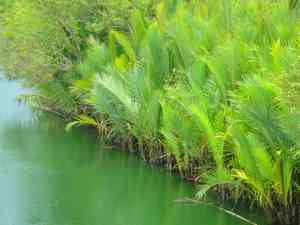
Nipa palm(Nypa fruticans)

Nipa palm (Nypa fruticans)

Also known as: Swamp palm

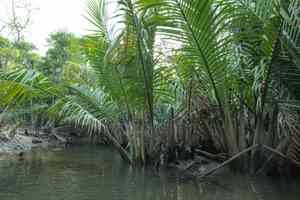
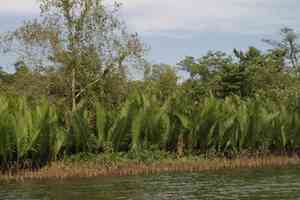
The nipa palm thrives in the slow-moving rivers and tidal waters of the Asian tropics and numerous Pacific Islands. It is a versatile plant with multiple uses:

**Food:**
- **Edible Parts:** The sap, clustered fruits, flowers, and young shoots are all consumable. The sap can be processed into sugar, vinegar, and an alcoholic beverage known as nipa wine (tuba).

**Construction:**
- **Thatching Material:** The large leaves of the nipa palm are commonly used for thatching roofs and crafting traditional items such as baskets, mats, and hats.

**Energy Production:**
- **Biofuel Source:** Nipa palm sap is a highly efficient source of ethanol, capable of producing significantly more ethanol per acre compared to sugarcane. Additionally, decomposed plant material can be utilized to generate biogas.

In summary, the nipa palm is a valuable resource for sustainable practices in food, construction, and energy production, particularly in tropical and coastal regions.

Attributes of Nipa palm

Lifespan
Perennial
Plant Type
Tree
Plant Height
10 m
Spread
6 m to 8 m
Leaf Color
Green
Flower Size
1 cm
Flower Color
Brown

ForwardPlant - Identify plants with a snap

Identify and diagnose plants, get toxicity alerts, and explore safety guides for all types of fungi.

Try for Free

Images of Nipa palm

Nipa palm(Nypa fruticans)

Quickly Identify Nipa palm

1
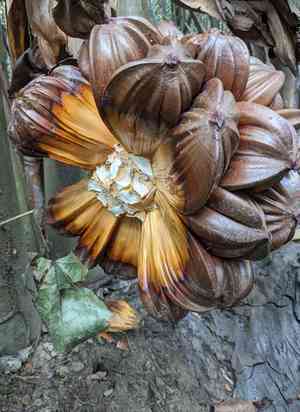
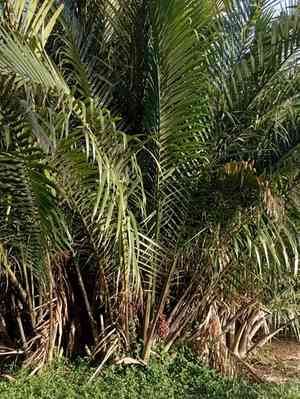
Nypa fruticans can be identified by its feather-like leaves, which can grow up to 9 meters (30 feet) long. The leaves rise from a subterranean trunk and are arranged in clusters. The flowers are small, brown, and grow on branched inflorescences.

Scientific Classification of Nipa palm

Phylum
Vascular plants
Class
Monocotyledons
Order
Palms, bullanocks, and allies
Family
Palm
Genus
Nipa Palm
Species
Nipa palm

Planting and Growing of Nipa palm

Care Difficulty
Hard
Watering Schedule
Every 8 days
Sunlight Requirements
Full sun
Sunshine Duration
4-6 hours
Ideal Temperature
77-86℉
Soil Type
Potting Mix, Peat Mix
Soil pH
6.5-7.5
Fertilizer Type
Balanced
Pruning Season
Spring, Summer
Pruning Area
Branches, Leaves
Pruning Frequency
2 times a year
Repotting Season
Spring
Pot Type
Plastic, Ceramic

water icon How to Water Nipa palm?

Nypa fruticans thrives in consistently moist environments, mimicking its natural habitat—mangrove and tidal zones. Each watering session should deliver around 1000 milliliters, ensuring the soil remains saturated but not waterlogged. Aim to maintain a balance where the top layer of the soil is moist.
What are the symptoms of an underwatered Nipa palm?
What should I do if my Nipa palm is not getting enough water?
What are the symptoms of an overwatered Nipa palm?
How to save an overwatered Nipa palm?

sunlight icon What Are the Sunlight Requirements for Nipa palm?

Sunlight Requirements: Full sun, Partial sun
Duration of light: 6 to 8 hours daily
Nypa fruticans thrives in either full or partial sunlight, mimicking coastal environments. Adequate light ensures vigorous growth and supports the plant's overall health and resilience.
Best Location
Seasonal Sun Adjustments
Proper Sunlight Levels
More About Sunlight Requirements Techniques

temperature icon What Is the Ideal Temperature Range for Nipa palm?

Ideal Temperature: 77 ~ 86℉
The ideal temperature range for Nypa fruticans is between 77°F and 86°F. This range supports optimal photosynthesis and overall health, ensuring the plant thrives in environments similar to its native tropical habitats. Keeping the plant within this temperature range minimizes stress and promotes robust growth.

soil icon What Soil is Best for Nipa palm?

Soil type: Sandy soil, Loam, Sandy loam
Soil PH: 6.5 ~ 7.5
Nypa fruticans thrives in soils that can retain moisture effectively. These soils provide the plant with the consistent water supply it needs, especially in environments where the tidal changes significantly influence water availability. Adequate moisture retention allows the plant to grow robustly and maintain its lush, vibrant foliage. This plant benefits from soils rich in organic matter. Such soils supply essential nutrients that support the growth and overall health of Nypa fruticans. High nutrient content results in healthier, more resistant plants that can withstand environmental stresses better. Soils with good aeration are ideal for Nypa fruticans, promoting root health by allowing sufficient air flow to the root zone. Proper aeration prevents root suffocation and enhances nutrient uptake, crucial for the strong establishment and growth of this plant.

fertilize icon How to Fertilize Nipa palm?

Fertilizer type: Balanced
For Nypa fruticans, the recommended fertilizer amount is light, as this plant is adapted to nutrient-poor environments. Use a balanced liquid fertilizer diluted to half strength, approximately 10-20 ml per liter, during the growing season.

prune icon How to Prune Nipa palm?

Pruning Time: Spring, Summer, Autumn, Winter
Over-pruning can harm the Nypa fruticans, as this plant uses its fronds to capture sunlight and process nutrients through photosynthesis. Ensure that you are only removing the fronds that are necessary for the plant's health and appearance. Make it a habit to sanitize your pruning tools before and after use. This reduces the chances of disease spread among your plants, a crucial practice if you manage multiple species in one area. Regularly inspect your Nypa fruticans for signs of insect infestations, such as scales or beetles. If found, prune affected fronds and consider using eco-friendly pest control measures. More About Pruning Techniques

propagate icon How to Propagate Nipa palm plant?

Propagate Time: Late spring,Summer
1
Collect mature seeds from the Nypa fruticans fruit once it has ripened. Look for seeds that are firm and dark in color, which indicates their readiness. Handle them carefully to prevent any damage. Clean off any fruit residue and let them dry before planting.
2
Prepare a well-draining soil mixture that includes sand and peat. This type of soil helps prevent waterlogging which could rot the seeds. Fill the seed trays with the mixture to provide a stable starting medium for germination.
3
Place the cleaned and dried seeds on the top of the soil in the seed trays, pressing them down gently to make contact with the soil without burying them too deep. This allows them to receive adequate light and air for germination.
More About Propagating Techniques

repot icon How to Repot Nipa palm plant?

Repotting frequency: Every 2-3 years
1
Keep an eye out for roots growing out of drainage holes or a noticeable slowdown in growth, indicating that your Nypa fruticans needs more space to thrive. These signs are your cue that it’s time to repot, typically every 2-3 years when the plant appears pot-bound or starts wilting easily after watering.
2
Select a pot that is just one size larger than the current pot. Ensure it has good drainage to prevent root rot. Clay or terracotta pots are excellent choices as they allow better air circulation to the roots, reducing the risk of overwatering while providing a stable base due to their weight.
3
Opt for a loamy sand or clay soil mix. This blend offers excellent drainage while retaining enough moisture for the Nypa fruticans, promoting a healthier root system. Avoid heavy soils that can lead to waterlogged conditions, detrimental for this tropical palm species.

ForwardPlant - Identify plants with a snap

Find the best spots for them to optimize their health, simply using your phone.

Try for Free